Ellery Graham
October 23, 1927 - May 20, 2014
Following is the transcript of interviews he did for a history of Southern California Aviation organized by Peter Westwick, a history professor as USC.
Lloyd Graham interview with Volker Janssen, 14 January 2010.
Volker Janssen: Today is January 14, 2010. It is approximately 4:15pm. We are in Toluca Lake, California, to speak with Lloyd Graham at his residence. Mr. Graham, I'd like to start with a couple of questions about your background and experience. When and where were you born?
Lloyd Graham: I was born in St. Andrews on October 23, 1927.
Janssen: Can you talk a little bit about your parents, your child hood, your family life?
Graham: I had a wonderful family life. My dad was a family man. He was a bridge and building foreman; he was gone most of the week because of the railroad all the way up in Maine. My mother was a fantastic woman, adventurous. Not that she could do it, but she helped when I wanted to go to the Yukon one summer to work in the placer mines. She helped me get a loan from the bank and the rail road pass. I grew up in a town of approximately 2,000 people; that would go up in the summer because it was a summer resort. We had oceans, we had rivers, we had lakes, we had everything that a child could want to enjoy freedom. We could go anywhere, anytime we wanted. We would be on our bicycles riding 10, 20 miles to go fishing on the weekends and it was just fantastic. I could not imagine a better way to grow up and I'm almost sorry my kids didn't have the same opportunity.
Janssen: That sounds like a fantastic child hood. How many siblings did you have?
Graham: There were three boys, I was the oldest, and two girls. So there were five of us. Janssen: Did you feel the Great Depression in any way? You were very young then.
Graham: Inever sensed that there was a Depression, although when I look back we did not have a lot of extras even though we were well fed and we were well clothed. Not excessively, I mean: jeans, sneakers, running shoes or whatever they call them today. We didn't go barefoot unless we wanted to, and that was easy to do where I lived. Most people had lawns. It was a pretty town, a resort town.
Janssen: What do you think were the most important lessons you learned from your parents? Graham: To be self-rel iant. I had to, because of the war and the shortage of man power. I was a messenger boy for the Canadian Pacific Railroad at 13 years of age. I was an assistant station agent when I was 15, and I was sent out relieving other agents because of the difficulty in getting vacation when I was 16. I went to university at 15, just before I turned 16.
Janssen: What about high school?
Graham: 11 years, 11 grades is all we had to matriculate, first division and matriculation in New Brunswick. I was not a good student at university. I was not mature enough, I think, when I went over there. The freedom, and I got in with a lot of guys who were like me and we had a great time. I was an engineering student and we had three years of pre-engineering and then we would go to Nova Scotia technical college or McGill or someplace to finish. I took the three years and then I went to work for the oceanographic group in my hometown because money was a problem and it was just too much of a demand on my parents to keep me in college for another couple of years.
Janssen: Y ou said you were an engineering student. Did you discover your interest in engineering very early on? Were you a tinkerer as a boy growing up?
Graham: Yes, my dad was a very practical man. He did all his own repairs: automobile, house, electrical, whatever. We grew up in that environment and the need to do things ourselves. I built model airplanes from an early age. I wasn't a good model airplane builder, not as good as some people who had more talent than I had, but I did them and I made a lot of them and I had a great time doing it.
Janssen: You mentioned that the circumstances of the war catapulted you into the work life and into responsibility very early on in your life. Did you also have family members that were affected by military service? Did you lose fami ly members in the war?
Graham: I had a cousin who was in the Air Force. He was more or less a hero in the sense that I thought I was going to be in the Air Force. I was hoping the war would last long enough because I was simply 12 years old when it started and I was at university in my first year at 16, on DDay. I was in the Canadian officer training corps in college. I wanted to go into RCAF training and all my friends were in the other ones so I decided to join them. So I didn't go where I wanted to really go until I joined the Air Force later.
Janssen: Did the war politicize you as well? I mean, you said that you were excited about the opportunity of maybe being a war hero. But did you also think about the politics of the war at the time?
Graham: No, not at all. I mean, I had read every book I could read about World War I, flying aces, German, English, Canadian. The romance of the books I think intrigued me. And then I can remember my cousin flying over St. Andrews in a Sunderland flying boat on one Sunday morning, and I just loved that. [laughs]
Janssen: You knew you wanted to fly? Graham: Oh, yeah.
Janssen: Where did you go after you finished college?
Graham: I went to work as an oceanographic technician. I didn't get on right away. I had worked with my dad for one or two summers. I got laid off the second summer on this building gang; we
were building rail road trestles up through the state of Maine and then in the province of New Brunswick. Then the rail road, Canadian Pacific Railroad, had a cutback, and it was first in, first out. So I only got a little bit of the summer in the second year, the year I was a sophomore. The next year I didn't want to go back to that so I answered an ad to work in a ground and placer mining operation, a trench operation. I was in the ground operation crew, but they asked for 30 engineering students, which I was. So I got to go by train to Alberta, flew a Milwaukee airplane to Dawson City, and then up to Sulfur Creek where I spent the summer. We were there from late May, to early September, worked every day 12 hours a day, and got paid for overtime over 8 hours, so I was making good money. Long days, weworked 12 hours and played softball at night with other camps. We had a great softball league. If we weren't playing softball we brought in 16mm movies. I think every one of them was Rita Hayworth; I can't remember anyone else but Rita Hayworth. It was a great summer and I met a lot of interesting characters. Gold prospectors that had gotten too old to do prospecting, they were doing manual dredge work. Some were full of interesting stories about the country.
Janssen: It sounds like you really encountered one of the earlier technological frontiers of the West there. Descri be the work a little more; what did you do?
Graham: Well, the way the mining operation works, the ground operation crew would come in and they would damn the creek, and that would create a pond of water. Then they would put in a diesel operated pump and you lay out a network of pipes and off the pi pes you feed a hose that would feed a three-quarter inch pi pe that has a chiseled bit end. The hose had a gooseneck on it and you had a clamp and you would work this into the permafrost right down to the bedrock. You would be responsi ble for a line of maybe thirty of those things. You'd work your way up all day long, pounding these things down, twisting them, going back and forth. Now, once that summer was over, and that ground was all thawed the winter wouldn't freeze it back down to where the permafrost extended to the bedrock. So the next year the dredge would be working in and would work its way down the creek, and it would chew off what we'd thawed, process it, and the gold would be extracted. It would be a bi g stack of it, we would be dumping rows of the stuff in the background.
Janssen: So it would basically be preparing the ground to basically turn it over...
Graham: Yes, well, I should've mentioned that there was an operation that was ahead of what I was doing. With a big powerful jet of water, like a big fire hose, they would wash the topsoil away. Today's environmentalists would have had a fit if they saw this stuff washing down the creek. [laughs]
Janssen: They did, actually. So this was hydraulic mining? Graham: It was, yes.
Janssen: Was that the kind of engineering that you had studied at college?
Graham: I was just in general engineering, because I did not have to decide until I went to technical school. So it was more of a liberal education with drafting, engineering principles, math, things like that. I could've gone civil, I could've gone mechanical, I could've gone anything. The only thing I didn't even think I had an option to do was for aerospace engineering, because there wasn't anything for it in that part of the country. I would have had to go to the University of Toronto or somewhere like that.
Janssen: So since the time you had seen that plane you knew you wanted to fly... Graham: Oh, that was not the first one. I saw lots of them.
Janssen: But when you realized you wanted to fly, you didn't realize that this was in the cards for you?
Graham: I didn't realize it was a career in terms of education, graduate degree. I thought of it more as a crewman or a pilot, certainly a pilot.
Janssen: How long did you do this mining work?
Graham: Just that one summer. And when I came back to university I was missing one course well, when I ended up I was missing a couple of courses, so I went back for half a year and got the courses. But they didn't offer the one course Ineeded, mechanics and materials, and I couldn't afford to stay there for a whole semester for one course. So that was the moment I went back to work with the idea that I would eventually go back, but I got into oceanography as you know, and became an oceanographic technician; probably the first one on the east coast of Canada. One of my neighbors became the chief oceanographer for Canada, Dr. Harry Hachey, and he was just growing the capability at the biological station, as we called it: the Department of Fisheries Station in St. Andrews, which is the federal government facility. So I went up there in the following late summer of 1948, and I stayed there until December 1950, when the Korean War was on, and the Berlin crisis, and the Air Force started recruiting airmen. And that's when I decided I would sign up.
Janssen: So you went from the mountains to the sea?
Graham: [Laughs] Yes, I went from the mountains to the sea
Graham: I spent almost 3 years as an oceanographic technician with the Atlantic Oceanographic Group working out of the Atlantic Biological Station, a Canadian Federal Government facility in St. Andrews, New Brunswick. I would conduct oceanographic surveys measuring ocean temperatures with a Bathythermograph and making salinity measurements along the east coast of Canada and in the Gulf of St. Lawrence. The surveys were conducted initially on Royal Canadian Navy ships and later on the Whitethroat, a minesweeper converted to be an oceanographic survey ship. The surveys would take a week to 10 days.
The data from the bathythermograph was collected on a smoked glass slide that had to be photographically copied by projecting the glass slide on a calibrated temperature /depth scale so that a record could be made of temperature at depth for a specific geographic location on a specified date.
The water samples were collected in Nansen water bottles which were lowered depending on the location to hundreds of meters. The bottles were attached to a cable and separated by 100 meters until the string was lowered to the desired depth for that particular oceanographic station. A messenger weight was then placed on the cable and released, it traveled down the cable to trip the open bottles causing them to close and collect the water sample at the depth that each bottle was attached to the line. The Nansen bottle samples were placed in glass bottles identified with time and location. On return to St. Andrews I would measure the salinity of the samples and enter that data in the record of that particular survey. I spent a lot of time in the darkroom and in the lab doing salinity measurements and recording the survey data by hand.
Once or twice during the surveys we would be visited by an RCAF Lancaster Maritime Patrol aircraft flying out of RCAF Station Greenwood Nova Scotia that would make a low level pass to rig our ship for identification purposes. Russian trawlers were frequent visitors to the Canadian coasts at that time. Little did I realize at the time that in another two years I would be navigating one of those Lancasters in the same area checking on Russian fishing boats on the Grand Banks.
I enlisted in the Royal Canadian Air Force and reported to RCAF station Crumlin, London, Ontario, Canada. In January 1951 I was selected for navigation training and transferred to RCAF Station Summerside, Prince Edward Island. I finished navigation training and was presented with my Navigator Wings on November 30, 1951. I was married in Moncton, NB to Harriet Nielsen while on leave. We spent our honey-moon in Boston and reported to RCAF Station Greenwood in January for Maritime operational training at 2(M) OTU. On completion of training I was posted to 405 Maritime Patrol Squadron, also at RCAF Station Greenwood. Besides flying patrols and anti-submarine warfare exercises along the East Coast of Canada, I flew Arctic ice reconnaissance in support of the DEW line installation flying out of Resolute Bay and Thule, Greenland.
In 1953 I was posted temporarily to RCAF Station Summerside to take the 4 month Staff Navigator/Instructor Navigator (SNIN) course. In 1954 I made my first visit of two visits to the Lockheed California Company as Navigator of a crew to pick up P-2V7’s that were part of a 24 airplane purchase made by Canada. I put my SNIN training to work as an instructor on the Neptune (P2V-7) Conversion Unit converting crews from the Lancaster to the P2V until I was transferred to the 2(M)OTU now based at RCAF Station Summerside. I was promoted to a Staff Officer in the fall of 1955. I was selected for the one year Specialist Navigation (SPEC N) course at RCAF Station Winnipeg. Upon graduation in June 1960 I was transferred to RCAF Headquarters as a Staff Officer in the Directorate of Maritime and Transport Requirements.
During my tour at DMTR, I had some very interesting projects. One that I remember standing out was the magnetic survey of the Canadian continental shelf. It involved the National Research Council the Department of Mines and Technical Surveys, the Royal Canadian Air Force, and the scientific adviser to the Chief of the Air Staff participated as well. The Canadian Research Council engineers designed the survey and recording equipment, the Department of Mines and Technical Resources helped plan the survey determining track spacing and interpretation of the results, the RCAF provided the Argus and flight crew to fly the survey. Each participant had a different interest in the results, the RCAF was interested in identifying wreck locations that would give magnetic anomaly detectors a signal not unlike that of a submarine. I also traveled to Washington and participated in committees of common ASW interest. It was during a visit to a joint NATO committee that the leader of DMTR Group, Capt. Jack Roberts, was approached by commander Ed Skidmore of the US and asked if the RCAF would be interested in having a Canadian Officer participate in the A-NEW project that he was running at the Naval Air Development Center in Johnsville, PA. On G/C Roberts return to Ottawa he called me into his office, knowing that my tour was about expired, asked if I would be interested in this opportunity. I was more than interested. I did not know it at the time but the A-NEW program was exactly the systems approach that SPEC-N’s training was all about.
A-NEW 1963- 1966
... Squadron Leader E. Lloyd Graham Air Radio Navigator, Topsec clearance, married with children, males 11, 5 females 9, 1 transferred from Air Force Headquarters, Vice Chief Air Staff, Chief Operational Requirements, Directorate of Maritime and Transport Requirements to supernumerary Canadian Joint Staff Washington for Liaison duty with United States Navy, Naval Air Development Center, Johnsville, Pennsylvania effective 1 September 1963...
Liaison duties were by agreement between Governments and observe and report assignment that served to keep each Country up to date with the developments of its Allies armed forces. Any ideas that I had about how I was to perform these liaison duties began to disappear when I first talked to Commander E.O. Skidmore USN. I called him to let him know that I had arrived in Johnsville with my family from Ottawa and would be reporting for duty on Monday morning. He told me that he would pick me up at 6:45 A.M. at our motel, this would free up our car for my wife to start the search for family accommodations while I went to work!
Commander Skidmore introduced me to Commander Fred Baughman his number two and eventual replacement. Together they briefed me on A-New program, Skid gave me an A-New tie clasp and Fred ordered my personalized A-New coffee mug. I was told that I would be participating as a TACCO in the laboratory simulator (Mod 0). The simulator was being used to establish a base line capability of the existing fleet airborne ASW systems with the intention of using this data later to measure the improved capability of the A-NEW system. I was also told that I would fly with the NATC crew representing NADC when the Mod I A-NEW was exercised against submarines! Somehow this sounded more like Exchange Officer Duties than Liaison Officer Duties, but I certainly was not going to object since this was much more to my liking. I had graduated in 1960 from the year long RCAF Aerospace Systems Course as a Specialist Navigator and here was a chance to put my training to work!
Mod 1 Flight trials
Very quickly I was involved in the daily challenges confronting the team as they finished the modifications to the Mod I system. Jerry Hanshue the NADC engineer for the Mod Inavigation system came to me to see if I could help him with a problem he was having with the Computing Devices of Canada navigation computer. All systems checked out in self test but when he ran it as a system he was getting screwy directions from the heading system. One of the subjects that we had studied on the Aerospace Systems course was the theory and operation of flux valves! After studying the system for awhile and looking at the results I told him that it seemed to me that the flux valve was installed 180 degrees out of its correct alignment. It turned out that this indeed was the problem and it stemmed from the fact that CDC and the USN had a different installation standard for flux valves. Either way would work as long as your navigation computer system was set up for the correct orientation of the flux valve. I had earned my way into the navigation systems engineers' confidence!
Within two months of my arrival Mod I A-New was ready and on November 8, 1963 1 made my first flight on NP3A 148276 under the command of Lieutenant Commander Edward C. Waller of the Naval Air Test Center. Little did I realize then that I would working with Ed Skidmore, Fred Baughman and Ed Waller off and on for the next 27 years and that they would have such a positive and very major impact on my professional career.
A series of four flights were flown from the Naval Air Development Center in November to find any problems with the navigation system and correct them prior to the airplane being flown to Patuxent River, Maryland to begin system testing. On return from our third flight on November 22, Ron Handy, a representative from General Dynamics attached to the program came on board as we were shutting the system down and informed us that President Kennedy had been assassinated in Dallas! After the fourth flight LCDR Waller was satisfied that the airplane was ready to begin flight testing at NATC.
Life was anything but dull for me in those first few months at NADC. When I was not taking my turn as TACCO on Mod 0 contributing to the 350 tactical problems that were being run to establish a measure of system effectiveness of current fleet systems, I might be flying on Center Projects helping to evaluate new developments like image intensifiers, low light television, or new sonobuoys. Periodically I would join the Mod I test team at Patuxent River and fly missions as one of the 6 TACCOs. It was obvious to all of us from the very beginning that we were involved in something that was going to revolutionize airborne ASW. Every flight revealed a new strength of the digitized system. It was one of my jobs to bring home shortcomings of the system or ideas arising from the test crew that would make the system even more effective. The airplane would be returned to NADC periodically for updates which were designated Mod 1.1, Mod 1.2 etc. One of the first rather strong observations from Ed Waller was 'Lloyd you have to get the pilot more integrated with the system, he needs a cockpit display.' At the first opportunity a pilot's display was added during an update and it made the system even more capable.
We were quickly becoming aware of how the improved navigation accuracy, digitally driven displays and particularly plot stabilization were combining to make sensors like Codar, MAD, Julie, and Trail more effective than any of us had ever experienced. The standard fleet procedure was that once Lofar contact had been obtained on a suspected submarine Codar would be employed to establish a probability area. The crew would then switch to Julie (or explosive echo ranging) and or active (pinging) sonobuoys to narrow the probability zone to where MAD could localize the target to attack criteria. More often than not Mod I A-New was getting MAD marks on Codar bearings and converting to attack criteria directly. When we did use Julie we would get MAD marks on top of Julie fixes which is what you should expect in theory but in fleet experience it just did not happen. Julie in the fleet was falling into disfavor because it was so demanding of good crewcoordination that the average crews were bad-mouthing its effectiveness. Our Julie results against targets of opportunity and during submarine exercises was a pleasure to behold. Rarely were we not able to convert a Julie fix to attack criteria.
Trail was a sensor that was designed to detect snorkel exhaust gases, this device was on its way out because it was not proving that effective in the fleet and the introduction of the nuclear submarine was going to make it obsolete. The Mod I A-New system exercising against a snorkeling diesel submarine did detect an exhaust trail and in classic text book procedures converted the detection into a MAD contact and visual sighting of the snorkel. It was becoming more and more obvious to everyone involved that this A-New feasibility system had to be developed into a production system; the fleet needed the capability that A-New demonstrated.
It was an honor and a privilege to be able to serve as one of the TACCOs with this hand picked crew that had to be one of the best ASW crews in the USN at this time. At first we trained on the system using targets of opportunity such as merchantmen, each TACCO getting his turn, typically about 30 minutes to go from Lofar to simulated attack. One common complaint that each of us had was that we could not believe our time was up when we were told that it was the next TACCO's turn. The system so captured one's attention that you lost all sense of time, a half hour seemed like five minutes! There was no doubt in my mind and I know that this conviction of mine was shared by the entire crew, with the A-New system we were a match for any submarine we could detect!
From May 1964 when Cdr. Waller considered his team was trained on the Mod I system and ready to exercise against a real submarine I flew over 70 hours with the crew against the USS Sea Cat, USS Amberjack, USS Triton, USS Permit and the USS Sennet. This was more submarine time than most TACCO's see in their entire career. The results were spectacular, the estimated fleet success against these targets was 20 to 30%, the ANew Mod I success rate was put at 79% and this was only a feasibility model!
Mod 3 Development
During 1964 commander Skidmore announced that I was to lead the MOD 3 Project as Project Officer and Isadore Zaslow was to be my number two as MOD 3 Program Manager. At the time we were so busy that I did not have much time to think about how such things could be possible! Today I have trouble believing that a Canadian Liaison Officer could have be given leadership responsibility for a program so important to the USN!
Cdr. Waller and key members of his team like Ray Huntley, Lieutenant Jack Rennie USN, and Lieutenant Don Johnson USN came to NADC and spent weeks meeting with the NADC team writing functional specifications for the MOD 3 system. The job of the MOD 3 team was to design a system that would meet those functional specifications, to select and contract for the equipment that would make up the system, and to prepare and configure the airplane to accept this equipment, install the systems and check them out.
There is no question that the digital computer was main driver of the A-NEW program. The computer and its software gave us the ability to integrate the navigation, sensors, display, armament, and communications systems so as to relieve the crew of repetitive mechanical tasks such as navigating, calculating plotting, and reduced the need to communicate over the intercom. The software program was constructed in modules, i.e., data processing, navigation, armament, display, sensors, etc. This decision on the part of Univac was in my opinion the single most critical factor in the outstanding success of the A-New program. What it meant was that problems could be isolated to a module, which made trouble shooting simpler and there was little if any interference with the rest of the system when changes were made to a module.
Some modules like navigation could have an impact throughout the system but from the beginning our navigation program was well thought out and well programmed. The fact that the same basic navigation program is still in use over 30 years later bears testimony to the quality of the program. It is true that new navigation sensors like GPS have come along and replaced Loran C and made the navigation even more accurate, but the fact remains that the basic dead reckoning program that moves the aircraft symbol around the display, positions sonobuoys and tracks targets is the same program that we flew in 1966.
One of the problems the fleet was having with the P3-B was that the pneumatic sonobuoy launcher was proving to be quite unreliable. More and more sonobuoys were being used and more and more demand was being placed on the launcher and it would break down. Bill Kruse was the NADC engineer assigned to the armament system and one day early in our design phase he was briefing me on the problem and I asked him why we didn't eject the sonobuoys with a cartridge. He said that it would require a major redesign of the aft end of the airplane and we did not have enough time to accomplish such an ambitious change in the Mod 3 schedule. I countered with suggesting a feasibility demonstration by putting a 'six pack' installation in the bomb bay and minimizing the change to the airplane. As was typical of all of our engineering team, given this encouragement and the license to change the status quo, Bill took the challenge. We hired designers from Lockheed to help him. Lockheed provided Sherm Cook and a small staff and together Bill and Sherm developed the sonobuoy launching system that is used today in all P-3C, CP140 and S3B aircraft! Once some initial development problems were worked out the system has probably been the most reliable systems on the airplane.
We contracted with Univac to PERT our development program. Every month 'Jim Rapinac from Univac' would show up and brief Izzy Zaslow and I on the latest computer runs depicting progress and critical paths. I honestly cannot ever remember either Izzy or I being satisfied that Univac had got it right. It seems we were always pointing out where they had made mistakes or misunderstood paths that were available to the program. The real value of the PERT to Izzy and I was that it forced us to sit down regularly and assess where we were and where we were going and what we had to accomplish to get there. In that sense the PERT did serve its purpose.
Izzy Zaslow was a professional systems analyst and was well respected by his peers. He was looked up to by all of our young engineering team and was almost a father figure to them. He dealt with all of their problems and they did come to him with some strange complaints like 'there is no privacy in the men's washroom because there are no doors on the toilet cubicles'. Izzy acted on these complaints and kept peace while getting 150% effort from the workforce. The only time that I interfered was when Ziggy Goldblum requested permission to travel to some event unrelated to our program. Izzy was not able to say no but he knew that we should not let Ziggy go because his work on the MOD 3 system was critical and the schedule was unbelievably tight. I stepped in and refused Ziggy permission to travel and took the heat away from Izzy. Later Ziggy came to me and told me he respected my decision and could see that it was the right decision. We have been friends since.
The MOD 3 schedule was tight, but our team was too young and inexperienced to believe that it could not be accomplished. There were a lot of experienced people who were doubtful; I received calls regularly from Washington in particular from then Captain Bob Geiger USN. Bob would want to be assured that things were progressing towards MOD 3 accomplishing the first flight by year's end 1965. This date for whatever reason had been set in concrete and the whole success of the program seemed to be tied to it. It was probably a funding issue.
Working on and managing the myriad of details of the MOD 3 program was not the only activity during 1965. Besides flying with the MOD I system, I took part in a regular series of briefings on the A-NEW program for industry and for members of the anti-submarine community. We hosted the Royal Air Force Nimrod development team when they were working on replacing their Shackeltons with a derivative of the commercial de Havilland Comet. Several Canadian groups visited, one of which was the Specialist Navigation or Aerospace Systems Course from which I had graduated 5 years earlier. Many Senior Officers visited from Washington, the most notable of whom was Admiral Charlie Martell.
In March of 1965 1 flew with now Commander Waller, the MOD I airplane and crew to North Island where we flew exercises and demonstrations against the USS Permit. Needless to say we gave briefings to all who were interested and there were many in the area both industry and military who took advantage of the opportunity to attend the briefings. In November I flew with LCDR Meltzer and crew to Northholt England via Kindley AFB, Bermuda and Lages, Azores at the invitation of the NIMROD team. It was very satisfying to see how well the system performed in long range navigation and how much the workload had been reduced for the navigator.
The briefings we received from the Royal Air Force and the visits to the British Aerospace facilities to see the Comets being converted into the Nimrod were extremely interesting. I left with the impression that while they were doing an excellent job they were severely budget constrained and the digital integration of the system would be much less ambitious than the A-NEW program. Never the less the Nimrod would be a big advance over the Shackelton it would replace.
MOD 3 First Flight
In early December, Lockheed sent George Papen back to evaluate where we were! I briefed George on the program and toured him through the airplane which was so disassembled that it probably looked hopelessly behind schedule for a first flight. I knew why he was visiting and who had sent him so I put it too him before he left, 'OK George what are you going to tell Don Wilder about us making first flight by years end?' In his gruff manner he replied 'I am going to tell him you will make it!' Ineeded that answer at that time! Even though I was caught up in the 'contagious enthusiasm' of the MOD 3 team the continuous pressure of the questioning about the schedule and the fact that the PERT chart never showed us making the schedule was beginning to get to me. But every day someone on the team would report a significant piece of equipment arriving that was just in time!
Some of it did not come without a struggle. One bit of heroics was performed by the NADC mail driver. We knew that a critical piece of equipment had been shipped and we should have received it, the Christmas rush was on and the part was probably backlogged for sorting and delivery. The NADC driver knewhow desperate we were for this particular piece of equipment so when it did not show up that day he somehow got permission to go back in the sorting room to look for it, and as unbelievable as it sounds he found it. This example of support seemed to increase as the first flight date neared.
The NATC crew arrived in Johnsville just before Christmas to familiarize themselves with the new system and to plan the flight which was going to be at the last possible day in 1965! Chief Don Neal had his own ideas of what had to be accomplished before first flight by NATC and he had convinced LCDR Mel Meltzer to his way of thinking. It soon became obvious that if NATC, in particular Chief Neal, had his way we would not make first flight! I asked Wayne Sneddon, the Lockheed Technical Representative if he had any concerns about the safety of making the flight as we planned it and he gave me every assurance that we were doing everything by the book and that the airplane would be perfectly airworthy and safe to make the first flight. NATC went home for the Christmas holiday. When they returned after Christmas we had several meetings to persuade them to make first flight on our schedule to no avail. I then made Mel an offer that probably exceeded my authority; I told Mel that if he would make first flight before they left for the New Year’s holiday I would let him take the airplane to Patuxent River for the weekend if he promised to have it back on the first working day after the holiday. I knew by the look on Chief Neal's face that I had won even before Mel said you have a deal! He wanted to show the airplane to his boss in Patuxent River more than I realized when I made the offer.
First flight date arrived on a typically sullen, gray overcast day; we all had our families on hand to see the first flight of MOD 3. The plan was that the two pilots LCDR Meltzer and LT. Jack Rennie the flight engineer and Wayne Sneddon would make a short safety flight to verify we had put everything back together properly. Once the plane landed from the safety flight the rest of us would board and we would perform a systems flight check of a fewhours duration, land and the NATC crew would take the plane to Patuxent River for the New Year’s Holiday weekend.
The airplane taxied out to the Northeast end of the Johnsville runway and after some preflight checks started its takeoff run toward all of the on lookers. Shortly after takeoff power was applied we heard the engines put in reverse thrust and with a sinking feeling watched as the plane approached us decelerating to turn off the runway where we were positioned. I had almost given up hope of making first flight on schedule when Jack Rennie gave us thumbs up with a sheepish look on his face. It seems that the ground crewhad opened the emergency smoke hatch to get better ventilation when they were working on the airplane and had not closed it properly. When the airplane stated to accelerate down the runway the hatch popped and the Mel aborted the takeoff to determine what the problem was. Wayne Sneddon was on top of the problem immediately, he secured the hatch properly and the airplane was taxied back for another takeoff run. This time the airplane soared into the sky to our cheers just as a break in the clouds appeared and a winter sun broke through to add to the joy of the occasion.
The plane returned after about a thirty minute flight. The remaining crew then boarded for our systems flight which was very significant. After landing and congratulating LCDR Meltzer and seeing the airplane off to Patuxent River, Commander Fred Baughman and I went back to the office and composed a message that told those concerned that MOD 3 had completed the critical milestone of first flight literally on the last day of 1965!.
I returned to my home, as I entered the house the tension of the past few months caught up to me and I started sobbing uncontrollably and went straight to our bedroom. My three year old daughter Patty had been to see the first flight and had left with her mother before the second flight. When she saw me break down and head for the bedroom she went to her mother and asked would they not let Daddy fly in his airplane? Years later I understood the feeling when PGA golfer Ben Crenshaw won the Masters Tournament and broke down in front of millions of viewers, fortunately mine was in front of only my wife and my three year old daughter.
MOD 3 Evaluation
LCDR Meltzer and crew returned the airplane as promised early Monday and we cleaned up the discrepancies that showed on the first flight. Two additional flights were flown out of NADC on January 7th and the airplane then returned to Patuxent River. LCDR Meltzer and crewhad a much expanded system to evaluate which required a period of training and testing before tactical evaluation could begin. New sensors such as an infra-red line scanner, low light television and new acoustic processors had been added as well as the more powerful digital computer with expanded memory.
A very ambitious flight schedule started on January 13th in preparation for the first tactical evaluation. I flew with the crew on seven flights in January and February at a rate of one 7 to 8 hour flight a week. The system was everything we hoped for and this was verified on our first tactical exercise against the USS Carp on March 30th and 31st.
Not everything that we evaluated in MOD 3 was positive however. The infra-red line scanner did not detect wakes from submerged submarines as we hoped it would! The low light television was very impressive with its ability to detect images in the dark however even a small amount of light like running lights would cause the display to bloom so that it was impossible to rig a merchantman at night. Neither of these systems made it to production.
We did get carried away with the ability of the system to do things that were time-consuming chores for the navigator in the past, I must take the responsibility for that. I had features added to the navigation program for evaluation that worked beautifully but were discovered to be no longer necessary. For example we had a synchronous astro-compass integrated such that the navigator had a menu on his display on which he entered the Greenwich Hour Angle of the sun and or the Sidereal Hour Angle of a star or planet. The computer supplied the other arguments, such as local Latitude and Longitude and Greenwich Mean Time. The computer calculated the azimuth and elevation of the body and slewed the azimuth ring of the astro-compass such that when the navigator set the computed elevation of the body on the astro-compass and rotated the astro-compass until he reached zero on the azimuth ring the celestial body should be dead center on the cross hairs if the heading provided by the inertial navigator was correct. There was a left right slew switch to correct the heading if it was found to be in error.
Lieutenant Jack Rennie flew a special flight on August 16th for me to check out these new navigation features. We flew from Patuxent River to Bermuda to Puerto Rico and return, the heading was checked every half hour for over six hours. There were no heading discrepancies discernable! It was obvious that the inertial navigation system provided heading accuracy that did not require 'tweaking' by the navigator using the astro compass. It further confirmed that we had been correct in combining the communication and navigation functions at one station and assigning the duties to one crew-member the NAVCOM. I also took several sun lines with the sextant using another feature whereby the computer did all of the celestial calculations, this feature worked well but astro had become redundant! It was more efficient to use inertial navigation, the accuracy of our dual inertial navigators supported the systems navigation requirements and reduced the navigator's work load!
It seemed fitting that my last flight on MOD 3 was a navigation evaluation flight just as my first flight on MOD I had been. My tour of duty ended in August and I returned to Canada to the Canadian Forces Staff College after three of the most meaningful and satisfying years of my service career.
I was transferred to the Liaison Officer Position with the USN at the Naval Air Development Center in August 1966. I was selected to attend the Canadian Forces Staff College, Toronto Ontario. Canada had made a decision to integrate the Canadian Armed Forces and the former Royal Canadian Air Force Staff College became the Canadian Forces Staff College and I was one of 96 officers selected from the three Canadian services that made up the original Course One. The purpose of the staff college was to prepare officers for senior positions in the soon to be integrated Canadian Armed Forces. While I had close associations with The Royal Canadian Navy this was the first time I had much if any contact with the Canadian Army.
When I graduated from Staff College I was posted to the former RCAF Staff School on Avenue Road which I had attended during 6 week postings from my duties at RCAF Headquarters. It was now the Canadian Forces Staff School where junior officers deemed worthy of further promotion were schooled in service knowledge to qualify them for staff positions when they had completed an operational tour. The students were organized in syndicates, I was responsible for a syndicate of 8 officers which I, along with other syndicate leaders, guided them through the curriculum, marked their assignments and wrote fitness reports on each member.
I was transferred to the Liaison Officer Position with the USN at the Naval Air Development Center in August 1966. I was selected to attend the Canadian Forces Staff College, Toronto Ontario. Canada had made a decision to integrate the Canadian Armed Forces and the former Royal Canadian Air Force Staff College became the Canadian Forces Staff College and I was one of 96 officers selected from the three Canadian services that made up the original Course One. The purpose of the staff college was to prepare officers for senior positions in the soon to be integrated Canadian Armed Forces. While I had close associations with The Royal Canadian Navy this was the first time I had much if any contact with the Canadian Army.
When I graduated from Staff College I was posted to the former RCAF Staff School on Avenue Road which I had attended during 6 week postings from my duties at RCAF Headquarters. It was now the Canadian Forces Staff School where junior officers deemed worthy of further promotion were schooled in service knowledge to qualify them for staff positions when they had completed an operational tour. The students were organized in syndicates, I was responsible for a syndicate of 8 officers which I, along with other syndicate leaders, guided them through the curriculum, marked their assignments and wrote fitness reports on each member.
After one month’s leave I reported to the Staff School and commenced my duties. Just before Christmas I received a letter from Tom Higgins the P-3 Chief Engineer asking if I would be interested in joining Lockheed. Before I answered Tom’s letter, while giving some thought to the invitation, I received a call from Fred Lashley, Vice President of Government Programs. He said ”I know you have been contacted by Engineering but I also have something in mind could you come down to Burbank for an interview”. I said it would have to be on a weekend and I would bring my wife with me. Fred had been recently promoted and was a bit unsure of his authority hastily said that he would not be able to pay my wife’s way. I told him that I was not going to get involved in a career changing decision without her involvement and I would pay her way. If he knew how anxious she was for me to make the career change he might have acted differently. The date for our visit was set for the 12th and 13th of February 1968. My wife was escorted all over the likely areas to live in the San Fernando Valley while I was interviewed and toured around the facilities. In answer to your specific question. Why Lockheed? Unbeknown to me at the time, but I was told later by the person that got me involved with A-New in the first place, Captain Ed Skidmore, who was now the USN Naval Plant Representative at Lockheed Burbank. Captain Edward Waller, USN P-3 Class Desk Officer was very critical of the Lockheed Management of the P-3C program, particularly the software, he said you have nobody that understands digital systems to which they replied ”they are brand new, who does?”. To which I was told later, he replied “Lloyd Graham does”. Where is Lloyd Graham? His reply, ”up in Canada someplace”. Obviously Lockheed was desperate to satisfy their most important military customer. In answer to the question about other offers, it was a choice between my service career and going to work for Lockheed, there were no other offers. I had very much enjoyed the challenges of my duties as A-New Project Officer and here was a chance to be part of bringing the tremendous capability that we had demonstrated with the A-NEW Engineering Development model into service use. At the end of the one day interview, that Saturday evening my wife and I were hosted by Fred Lashley and his wife at a nice restaurant in Northridge, the decision had come down to salary and I told him that I would need $20,000 a year and a guarantee of a year’s employment before I would give up my service career. It was more than he felt he had authority to commit to, and asked me what I planned to do. I told him that I had not burned any bridges and would continue my career in the Canadian Forces. My wife and I caught the early flight out of LAX and were back in Toronto in time to meet a friend for dinner. On return from dinner my oldest son said Mr. Lashley had called and wanted me to call him back as soon as I could. When I called him back he told me that he had discussed the salary with the Executive Vice President Don Wilder and they would agree with the $20,000 but that the guaranteed employment for a year was against Company policy. I thought about it for a minute and said I could accept the offer. He asked how soon can you get here? To which I replied, “I will submit my resignation in the morning and see when I the service would release me”. The answer from the RCAF was that I would be released when the syndicate I was responsible for graduated, which was April 22, 1968.
[missing conversation]
He wasn’t concerned about the airplane. He thought that would be good; he was more concerned about the avionics, and the software, that that would be where the problem was. In a sense he was right, but he built in the minds of some people who worked for him, who knew nothing about software, a concern that they had to be super vigil ant in that area: that they didn't understand the trial and error of integrating software and system; that the software was never perfect when it was first written and that it always needed tweaking and things like that. One time, there was a guy named Dale Daniels, who was an electrical engineer but he had no avionics or particular software knowledge. But he had done spy jobs, I called them, for the corporation, where he would be sent in and he would report back to the corporation what he saw and they would then figure out what they were going to do about it. So, we are in the early stages in the lab and things are going a little bit slow. The guys are working at it and I' m not worried that they're not going to get there, but they needed some time. I got a call from the Skunk Works, one of Kelly's guys, who said: 'I'm going to send Dale Daniels over to hel p.' I said, 'If you send Dale Daniels over, he comes in one door and I leave through the other,'' because I knewhe wasn't going to be of any hel p. So that really threw Ed a tizzy, and the word got back to Commander Baughman, who's now Admiral Baughman, he was the director; he was my boss at Johnsville after Skidmore went to Washington. He said, 'Lloyd knows what he's doing. I support Lloyd. Leave him alone and it will work out.' So they sent Ed off someplace else and I stayed.
But I was able to do things like this. The engineers were having a problem again with the communications between the computer program and the equipment. I told them, 'Look, it seems to me that you guys are worried about what the computer is saying and what the piece of equipment is saying. You can very easily put an intercept in there and listen in on the communications. In other words, you can get the data that the computer is sending and what is going back and forth and then you can go look at the program and see whether the program is doing what it's supposed to do.' 'Well, yeah, we could do that.' They did that, and all of a sudden a lot of problems started getting solved in a hurry because they could monitor exactly what was going on between the equipment and the computer. If the software was sending the wrong codes then they knew the problem was with the software. If the equipment was responding with the wrong terms the problem was in the hardware. It wasn't a bi g thing, but again it gave me credibility and it's something I suggested; these guys that were the experts, if you like, that was their field, could use it.
Janssen: I also hear that you needed a certain sense of autonomy or freedom from bureaucratic interference to make this work.
Graham: Absolutely.
Janssen: Would you have liked to work in an organization like the Skunk Works then?
Graham: I did not know a whole lot about Skunk Works at the time. I knew Ben Rich as a personal friend. I've read his book. It would have been an exciting place to work, yes. But they were working more on the forefront of altitude, speed, stealth, and things like that. I was more of a systems guy. I would've been more interested in the U-2 sensors, and what they were doing, or the SR-71 sensors. That's where I would've fit in. But in the slower-moving airplanes where that wasn't the big issue, I didn't have any problem with those programs.
Janssen: You then made it to being in charge of government programs.
Graham: Well, I got the S-3A through carrier suitabi ity trials, and those were some exciting times. The Navy would come out and fly the airplane for a whole week and we had to support them. We had three: NPEl, 2, and 3. Then the airplane was cleared to go back to Pax River to do the carrier suitability work back there, and I was back there for that. Then we went to the carrier. We got to the carrier and the airplane was a dream. I mean the carrier pilots loved it; it came in like a homesick angel. It was just a dream to fly on a carrier. The old worry about the old propeller driven guys' experience not being able to handle the job,…
Janssen: Was that the first jet on a carrier?
Graham: Not the first jet, the first anti-submarine warfare airplane that was a jet. The ones before, the Grumman airplanes, were turbo-props. They were slower, but the S-3A could come in pretty damn slow too and it had fantastic handling capabilities. I got back from that and I got a call from Don Wilder, who is now executive vice president of the company. Lockheed had just won a preliminary contract to down-select two contractors to replace the Canadian Argus. Don Wilder wanted me to lead the engineering team on that. We were going to go up against Boeing, and there are some interesting stories there. I thought about it and I called him back and I said, 'Don, you know, I'm not sure I'm the right guy for this. The Canadians are looking down here to get a United States company with lots of breadth, depth, and experience in building these systems, and you're going to put one of their own in charge of what they are going hear from Lockheed.' He said, 'You know what, I think you're right. A nd that's why you're the right guy.'
Janssen: He had worries that the Canadians would...
Graham:...object to having me, whom they knew for 17 years,... Janssen:...be the American expert they were the looking for.
Graham: Right. So, he said, 'No, that's why you're the right guy.' Well, it turned out, and I am trying to make a long story short, when we were at Johnsville, the equipment was too heavy and the weight and balance was too critical and we had to spread it out in the aircraft. What we wanted to do, we wanted to have a tactical compartment where all the sensor operators, the TAC- 0 [ ?correct?], the navigator and everybody would communicate with each other, so they would be like in a control center. The P-3 didn't lend itself to that; either the fore-loading or the weight and balance would not allow us to do it. But now I had the S-3A equipment, which was lighter. So what I did was, I got my guys together and told them what they were going to do. I said, 'What I want you to do is to get pictures of al l this equipment,' because we knew what we were going to have to put in. And this was contrary to what the team before me had said the Lockheed approach would be. I mean, they didn't know what the hell they were doing, they didn't know anything about what we were doing with the P-3 or anything else. They were pretty much going on everything they had known before, which was analog. So, we put up some tables in a U-shaped form and we put up what the acoustics guys would be looking at, what the radar operator would be looking at, what the MAD operator would be looking at. I guess we had the MAD operator in the back, because his sensor was there. The radar was up forward, because it was looking forward, and we had the NavCom up with the pi lot. And it looked pretty good. That was sort of to give the guys a feel of what we were going to do. Part of the contract was that we build a full-scale mocku p of it, which would be a year or so later. We did all sorts of studies and trade-offs and showed them what we had considered, what this cost, what that cost. They came around to visit the mockup. They go to Boeing first, then they fly to Lockheed. Just before they're coming in, the head of Textron is at Lockheed thinking of buying the company because our stock is five dollars a share and we were in deep trouble because of the L-101 1 being delayed and the cost of re-engineering and all that.
Janssen: What year are we talking here?
Graham: We're talking here 1975, maybe 1976. We had won the contract by 1976. Maybe it was 1974, but within that timeframe.
Janssen: At that time California was struggling with its economy.
Graham: Oh, yeah. We had gotten a loan. The guy from the SEC, who's now the chairman of the board, Dan Haughton and Kotchian had gone; my story involves Kotchian. [not clear here-] G. William Miller, who became Jimmy Carter's Secretary of the Treasury, said that the biggest mistake he ever made was that he didn't buy Lockheed when it was five dollars a share, which turned out to be pretty prophetic. Anyway, they called me and they said, 'We want to bring Bill Miller over to see the mockup that you will show to the Canadians tomorrow.' So he comes over, and the guy that did the mockup for us, he was going to retire. It was his last mock up and he said it was going to be his best. We had taken one of the interior designers off of the L-1011 and told him that we just didn't want a cold gray and black interior, which is military spec. These guys flew in a cold environment. We wanted it to be homey, we wanted them to be proud of it, we wanted them to feel good about it. When we were doing the mocku p we did different colors, and we decided on a light brown and a beige or cream sort of color with the equipment. It was beautiful. They did the mockup and I walked in and I said, 'My God, you couldn't have done better, this is a damn winner.' I'm enthused. So the guy comes over and I take him too. I'm high, it’s like I'm on a drug or something, I’m feeling so good. I notice Kotchian is behind me and he's scowling like a son of a gun. What the hell is wrong, what did I do wrong? But I didn't pay attention, I was feeling so good. I took him through, and the guy says to me, 'Lloyd, that's pretty mpressi ve, it's very good, but will it make money?' I said, 'Yes sir.'
Anyway, they went on their way. After we win the contract, Bi ll Wilson, the head marketing guy of the corporation, said, 'Lloyd, did you ever realize how close you got to getting fired the day you took the guy through the mockup?' I said, 'No. Well, I noticed that Kotchian didn't look very happy, but why would I have been fired?' He said, 'Kotchian had been told that the Canadian government couldn't afford anything but a P-3C; that there was no way that we could win this program if we were going to offer them a god-damn Cadillac.' So that was what was bothering Kotchian.
Janssen: It looked too good.
Graham: But on the other side, the Canadians came in and they went through the mockup, and they were awestruck. They had one guy there who I'd worked with at Air Force headquarters. He took me aside and he said, 'Lloyd, you can't do that.' I said, 'I can't do what?' He said, 'You can't paint a military airpl ane shit-brindle brow n.' You know what, they never invited him back as part of the team. The Canadians wouldn’t let him in.
Janssen: So this is a pretty big plane on the inside, actually.
Graham: [holding airplane model] Oh yes, it's a big plane. So after we won the contract and everything and we're buddy-buddy now, we're locking the final...
Janssen: This is you, is it? [referring to photo]
Graham: Yeah. This guy right here, Mel Grey, he said, 'Lloyd, do you know the biggest problem we have?' I said, 'No.' He said, 'We came down to see your mockup. We were so impressed that on the airplane on the way home, you know the biggest problem we had? How are we going to keep Lockheed from knowing that they won this early in the program?' Boeing had a cockpit stuck over here, they had a piece of fuselage here, they had it tilted at an angle, they had a rope in it, cause at the slow speeds for crews to move back and forward would need help because the incline was quite steep. The Canadians screwed up and they sent us a wire expressing their concern over the flight deck angle in the tactical area. We responded and said, 'We don't have a flight deck angle in the tactical area. Our airplane is perfectly level.' Then they apologized. 'You were not supposed to get that message.' It was Boeing that they were sending it to. So we started to get clues.
Later on, another funny story. Reagan gets elected. We are delivering the airplanes to Canada. All of a sudden John Lehman becomes Secretary of the Navy. We had a contract to take old P-3A's or Bs that were not going to be updated, take all the equipment out of them, convert them into transport ty pe airplanes, put a cargo floor and a cargo door in, and they would use them as support aircraft when they deployed. There were squadrons deployed all over the damn world and they could become self-sufficient; they wouldn't need Air Force support or Navy C- 130 support. We had the contract, and we were starting to modify the first airplane, and he canceled it. Other things happened. We go into a competition for update 4. We were told the standard computer had to be an AY K-22. It was imposed by the Pentagon. We had a competition and we had to go to Johnsville and put a system in there to run. We had a l ittle trouble because the Univac was slow in coming up with a display, we eventually got it working in our lab, and it worked very well, but at the time they were getting concerned about it back there. Boeing waved their arms, and they put on a display that didn't represent what the hell they were proposing to do, but they had a dog and pony show that worked. They won the contract. Mel Paisley was from Boeing. He was Lehman's deputy. He went to jail for kickbacks later on.
Janssen: I was just going to ask whether something went on there.
Graham: Yeah. But I don't know that anything had to do with this particular contract. Anyway, Boeing got the contract for update 4. They spent $400 million and the contract was canceled. They couldn't deliver.
Janssen: 'Update four' meaning...
Graham: P-3C update 4. Every change, every improvement and so on was called an update.
Janssen: So this Lockheed plane was now supposed to be updated...
Graham: By Boeing. And they couldn't deliver, the contract was canceled, and the Navy was out
$400 million. Ed Cortright was our president at the time, and he said, 'Lloyd, we have to get a better relationship with the Secretary of the Navy. I want you to go back with me and have a meeting with him.' So we go back, and Cortright's talking about what we're doing, how we are building this airplane for Canada, how happy they are with it, how well it's performing and everything. I volunteered and I said, 'You know, if you are interested, I probably have contacts in Canada and I could arrange to have them bring one down to National Airport and put on a demonstration for you. We can go for a flight.' Lehman was a backseat man in a Navy airplane, in the Reserves. Paisley turned to Lehman and said, 'John, we should take them up on that. We'll find out what the hell beat us.' I didn't know until later that Paisl ey was the Boeing guy who was running their competition -and he had hired Lehman as a consultant. While I was down here they had sent a guy down, just before we started the program, to see if I was interested in going to work for Boeing. They were behind that. So Lehman, I had not much time for that son of a gun. But he eventually left, and our relationship with the Navy improved tremendousl y after he left. Paisley went to jail. He's dead now. I think he died of prostate cancer.
Janssen: Those were some difficult years then in the early’80s.
Graham: Yeah, they were, but not with the Canadian airplane, that went swimmingly well. I went up there this summer and they are still in love with the airplane. Now, I have a lab that I put together for this update. I have AYK-22s in there, I have software. The admiral comes out, he
goes through and our guys had done some very interesting things. Like, as the information comes in from different sensors, it starts creatmg probability areas; as they get more information that refines it, narrows it down, it gets smaller, it gets moving around. 'God,' he says, 'that's impressive. When are we going to get that?' I said, 'Sir, you're not going to get that.' He said, 'Why the hell not?' I said, 'Because you went with Boeing. You selected Boeing; you didn't select Lockheed. This is what we were proposing.' He says, 'Son of a bitch.' [laughter]
Janssen: Who else was going to get this, just Canada?
Graham: No, this was just the United States, this was updating for the United States Navy. Australia wanted some P-3Cs; they had ten P-3Bs. Now I am executive vice president of government programs, and we take a trade-in. So I have these P-3s on my hand, I have this NAV system. So, what could I do to hel p sell these P-3Cs and maybe embarrass John Lehman? I said, what if I got the Grumman E-2C radar, put it on a P-3 and sell it as an AEW [airborne early warning] airplane? That would be pretty good. It's got good altitude, good performance, could stay up there a long time. The more I thought about it the more I liked it. The United Kingdom was looking for an AEW airplane; the Australians were looking for an AEW airplane,
Janssen: What we today call AWACs?
Graham: AWACs. So, I went up to the corporation and sold them on the idea that if I got a rotodome, would they get me $75,000, as a matter of fact I got the rotodome first. I knew the rotodome was the key to doing the aerodynamic tests.
Janssen: That is the structure that holds the radar?
Graham: The rotodome is the radar dome and the structure. That is all part of what we would have to evaluate. So I call the field service rep down in San Diego and I said, 'I want you to go over and check and see if there are any class C accidents where an E-2C has been written off but has got an intact rotodome.' I said, 'I don't want anyone to know what you doing. I don't want you to mention this to anyone. This is absolutely just between you and me.' He was back within a day and he says, 'Lloyd, there is a perfect situation over there. The airplane was a total w rite off, but the radome and everything is intact.' I said, 'Okay, just be quiet, you'll hear from me later.' So I called the P-3 program manager, his name was Captain Joe Kiehl, he probably never went further because of this, and I said, 'Joe if I wanted to do some independent research and development and I asked you if you were to arrange somehow to bail me a rotodome and I could tell you where it is, do you think that that would be possible?' He said, 'What do you have in mind?' I said, 'I want to demonstrate that the P-3 could be an AEW type airplane.' He thought about it for a minute. I said, 'You know, this will be sensitive, we couldn't let Grumman in on this because they'd kill it before we got to first base.' He said, 'I understand. I think we can do that.' So he bailed it, did the paperwork and everything, and we hired a tug and a barge, got the thing off, and we got it up in our hangar before Grumman...
Janssen: Where was the plane?
Graham: Oh, down at the Naval Air Station in San Diego. So we got it up before Grumman knew what was going on, and all of a sudden the Grumman field service rep sees this E-2C doesn't have its radome, he starts asking around, and he finds out we have been bailed. They were l ivid.
Janssen: Sounds like espionage in the junkyard.
Graham : [laughs] Yeah, they were livid. So corporate gave me the money to do the aerodynamics, and it worked great. Now, I have the lab system, so I needed some money to turn our system from ASW into AEW-using the same equipment, same displays, same radar, just new software. I got that. We competed for the UK. The UK were sold on the Boeing A WAC, they didn't think this was the way to go. Australia liked it, but they kind of thought they wanted to do their own thing. All of a sudden the Customs Service got interested. Senator DeConcini and Congressman Glenn English were really concerned about drug smuggling coming in through Arizona, where DeConcini was from, and Oklahoma somehow, which was where English was from. They got intrigued with this thing, and so we made a proposal to them that for $90 million we could create in that airplane an AEW capability that would detect light airplanes smuggling drugs. I got a call from DeConcini after that and he said, 'I got a problem. Weinberger is up here on the Hill and he is telling everybody that you guys don't know what the hell you're talking about, it took Grumman billions of dollars to develop that system, and it's a travesty that you come back telling us that you can do it for $90 million.' So I said, 'Let me get together with the guys and see what we can do.' So we got together, and the idea came up: what if we give them a money-back guarantee? Okay, let's see if we can do this.
Janssen : Was this when you were VP?
Graham : I was executive vice president of government programs. So I got a letter written. Bob Fuhrman , who just died a week ago, a hell of a guy - was the president of the corporation at the time. He was in Georgia. I got the letter flown down to Georgia, got him to sign it, we sent it in. DeConcini says, 'You have no more problems. You got a contract. That letter did it.' We delivered it on budget, on time, and they eventually bought I think 26 airplanes. They're not all rotodomes, but it’s somewhere in the job, in different configurations. They've literally stopped airborne drug smuggling into the United States. After 9/1 1, when all the A WACs went out looking for the bad guys that might be going to bomb more towers, they nationalized our P-3 AEW to provide aerial surveillance so that Bush could fly in Air Force One from Washington to Detroit or Chicago, someplace up there, I thin k it was to talk to the airlines. They took one of the airplanes from Customs, because all the airplanes they had were bailed from the Navy. They eventually did an upgrade of the E-2C, because the E-2C didn't have enough room for people to work in. It was small compared to this thing. So not only did our airplane do its job, but it hel ped Grumma n in the long run make their next version, which is now just being delivered to the United States Navy. Probably of all the programs that I had, that was the most fun, because I was in on the conspiracy, I created the conspiracy in my own mind first. In the other ones someone else had the idea and I just got to be sort of the leader in making it happen. But that one, that was fun.
Janssen: Why did you say earlier that the person who told you it would be okay to do, they wouldn't pass beyond that position?
Graham : I think that Lehman saw it and made sure that he couldn't get promoted, as they would know who the person was who bailed the radome to us. I never talked to Joe about it since.
Janssen : That's the kind of power that Lehman had?
Graham: As Secretary of the Navy. Not only that, but Lockheed and Grumman were a team to go after the Stealth airplane for the Navy. Cheney canceled that and it's been a political football; the companies keep going back to court to try to recover the cost or get the government penalized for Cheney canceling it. We were a team with Grumman, it was a Lockheed Grumman team. Lehman got in the act and said Lockheed couldn't be with Grumman. It was very secret and classified at the time, and I'm not sure whether I should say this, but I was told that by Dick Heppe, who was on the program, that they were really ticked off. That meant that we weren't in that program. It was General Dy namics, Northrop, and Grumman, and I'm not sure who was teamed with whom in the final analysis. But we had the Stealth and that's why they wanted us on a team, the other companies, because of our Stealth background. Lehman had been out here and saw what we had, and I got the feeling that he knew that if we were on a team that was the team that wasgoing to win. I think General Dynamics won it in the end. I don’t know whether Paisley had a hand in that and got money to cause that to happen or not.
Janssen: How does this shape your thinking about government contracting? I mean, on the one hand working for the government is certainly necessary when it comes to building a defense and reconnaissance arsenal, which was your work, but on the other hand it seems to be fraught with all sorts of problems.
Graham : If you have integrity on both sides, it's not a problem. When you have integrity and you have trust. We had it in our early programs; we were respected for what we could do, and we respected them for what they could do. For example, on the S-3A, George Spangenberg was the big man in the bureau on airplane structures and things like that, and he believed that the Lockheed people knew what they were doing. The Lockheed people had a lot of respect for George Spangen berg's knowledge and expertise on carrier airplanes. In the program management side of things, Lockheed program managers had worked with Navy people ; a lot of them had been Navy people. A lot of Lockheed people had served in the Navy at one time. There was a relationship there, there was integrity, there was a feeling you could be honest. Where things got in trou ble from my perspective, l ike when the Air Force had the problem with the tanker and the gal from Boeing got fired ; there was no integrity there. There was simply an exchanging of proposals and submittals. There was no communication to hel p the process along, it was almost adversarial.
Janssen: On the other side, this was described at the time as restoring competition.
Graham: Yeah, and competition to some is warfare, right? That was what Paisley said: 'How could they beat us?' Well, we beat them because we had something that the customer wanted,
not because of something that you did contractually or some sleight-of-hand, which is what Paisley's method was. He was a shyster from the word 'Go.' And he got caught, eventually.
Janssen: Now, you had a success story with this reconnaissance plane for the Customs Service. Did these ever get used for surveillance on immigration?
Graham: I am not sure. I don't have the inside picture ; it's been twenty years since I've been involved. I have seen some things on the Internet, and heard some stories, some scary stories.
We put special communications in there so that our guys could talk to Mexican police forces or military forces on the ground. We had a video in there and they could see what was going on. They had infrared detectors. What did we have on there? I guess the forward-looking infrared was the biggest thing we had in there. Anyway, they are down over Mexico, and there's a drug flight coming in. The people that we are working with, by 'we' I mean the United States, are coming in to pick these guys up. On the other side of the field, there are some bad guys, Mexican army or something, that were protecting the drug smugglers, and they get into a damn gun battle. Our guys are copying all this. It never got in the news but I heard through the grapevine and from the customs people that were on the airplane. So, there probably are things going on that they know, but to make that effective, you don't advertise it. I remember one of Glenn English's aides...
Janssen: Who won the gun battle, by the way?
Graham: I don't know. I think the drug smugglers won it, to tell you the truth. One of the things that makes that effective is that you don't advertise it. As long as people thin k that they can get away with it and go flying, you detect them. If you pick all these people up, pretty soon they're off the scope. I took it over to Phoenix to take DeConcini for a ride when we were developing it. Unbeknownst to us there are two guys getting ready to take a light airplane to go down to pick up drugs. And one of them apparently says to the other, 'I don't know about this. That guy’s there.' 'Aw,' says the other guy, 'don't worry about that, that has nothing to do with us.' So we took DeConcini on his ride and he's pretty happy with the progress, and we come home. Later on this airplane comes back into Phoeni x and they're picked up. The guy says to his partner, 'I told you we shouldn't have gone. It was that damn airplane.' And we didn’t have anything to do with it; they had been monitoring them on special radars they had down at the border. But they were sure that this was the reason that they were picked up with drugs coming back into Phoenix.
Janssen: Because of your plane, then?
Graham: Not because of our plane; because of other systems that they had. Janssen: But they thought it was...
Graham: They thought it was us, yeah.
Janssen: Now this, you said, was one of the most exciting developments in your career there at Lockheed. It also gets close to your retirement, right?
Graham: I retired in 1990. We delivered that to Customs probably in’89. I can't remember exactly.
Janssen: And at that point Lockheed California was doing well with its military contracts, no? Graham: Yes. Our program with Canada got Lockheed $25 million upfront. I think Roy Anderson, who was the chief financial officer and became chairman of the board, was so impressed with that win and that money that he made sure that Lloyd Graham's career did well at Lockheed. I just have to believe that my progress had a lot to with the success of the Canadian program at that particular tough time. Particularly when he would have been here when Kotchian and everyone else kept saying there was no way that Canada could afford this program. If we had persisted in going with the stock P-3C, and not upgrade it, we could have easily lost it.
Janssen: Afterward, you could say that the success of Lockheed and its military aviation went up quite a bit.
Graham: Oh, yes.
Janssen: And in part you could say that you took a little bit of a lead there with the sale to Canada?
Graham: Well, the P-3C itself was a plus, but it wasn't enough because the problem with Lockheed happened after the P-3C contract was let. So the P-3C wasn't going to save it.
Janssen: The trouble there was with the commercial... Graham: Yeah.
Janssen : Since retirement, have you been in close touch with developments in the technology, or have you left that behind?
Graham: I've moved on. I’ve moved on my whole life. I moved from oceanography to the Air Force, from the Naval Air Development Center to Lockheed, to retirement. I subscribe to Aviation Week; I read it religiously. Today, this afternoon, I was at a Lockheed lunch bunch. Those of us who are retired in the area get together once a month and go over programs and what's happened and what's going on with people. I enjoy that. I like to keep the ties. But very quickly the environment changed so dramatically that I really lost interest. I felt sorry for the guys who were trying to deal with the contractual environment with the government in the late’90s. Things weren't going too well.
Janssen: It was the end of the Cold War.
Graham : Yeah, yeah. The money dried up, they started not doing things, they cut down the ASW squadrons dramaticall y.
Janssen: Well, that's in part because the national security challenges have changed.
Graham: That's true.
Janssen: They’ re no longer looking for bi g nuclear submarines.
Graham: Well, we may have to start looking again. I just hope we haven't lost all of our capabilities, because it comes hard. It doesn't come easy.
Janssen: How has life been as an engineer, as a manager, with aerospace in Southern California for your family, for you personally?
Graham: Oh, I thin k it was important for my family. I don't want to say that my kids couldn't have gone to university in Canada, but it would have been a lot more difficult on a squadron leader or wing commander's pay up there than it was for me down here. I've got one son who got his doctoral degree in experimental physics ; Richard has his degree from San Diego State; my youngest daughter got her degree up at Whitworth and then got her master's at USC in special education, teaching deaf children how to talk at the John Tracy clinic; and my other daughter is a computer-aided draftsperson. She got an associate's degree, and of course she's out of work right now because the development business dried up over in Las Vegas. But she's calling me tonight to tell me that she's interviewing for a job to report for the Census for the next six months or something, which is good. No, I think my family’s better off since I came here. I certainly enjoyed it. Unfortunatel y I lost two wives. My first wife who came down with me died in 1983. My youngest son gave her a kidney but it was just before cyclosporin and it was rejected. She knew that cyclosporin was the answer, it was the antirejection drug, but they didn't have it at UCLA, or they were only giving it on a trial basis to some people. It was rejected and she developed cancer in the abdomen. She died in’83. I remarried in’87, and I just lost that wife to cancer in 2006, four years ago.
Janssen: I’m so sorry.
Graham: But that's why I am here. I sold my house up in Northridge, fortunately at the right time.
Janssen: At the right time?
Graham: Yeah, just before things went in the barrel. And my golf club is over here. I'm the vice president at the moment of the Senior Golf Association of Southern California. I'm the president next year. I'm in another group called the 'Terrible 20s.' I get to play in probably 15 different country clubs twice a month. I love the game. I love the camaraderie and the associations, and I still have my ties with the Lockheed people...
Janssen: I wonder, do you frequently meet people from the aerospace industry by chance in golf? Graham: Oh, yes.
Janssen: People you've never known of?
Graham: Some that I’ve never know n of, some that I've known just vaguely. Dick Simone from Annandale Country Club, a General Dynamics marketing guy, I think, he's one. I’ve run into a lot of subcontractors, people who supplied specialty metal s and stuff like that. But most of the
people I would have know n in my Johnsvi lle time and what not are back East. I exchange Christmas cards with some of them. Ed Waller retired down in the Norfolk area. He and I exchange letters at Christmas time. Fred Baughman has passed on, Ed Skidmore has passed on. Janssen: In those years, did you often think that this kind of aviation industry had to be in Southern California, or could that have been done anywhere?
Graham: The avionics stuff could be done anywhere but what we have here is the weather. It allows us to make test flight schedules. Look at what Boeing is going through in Seattle with their 787. Their first flight was restricted, they wanted to go for five hours but because of the threatening weather they had to come down after three. We never had that problem here with the L-1011. That I think would be the paramount argument for doing things here. Plus, for antisubmarine warfare, the access to the ocean, to do tough stuff that you need to be in the water for. The climate is good for preservation, how long things last; we don't have to worry about corrosion as much as you do in some other climates.
Janssen: What other benefits may there be for the region?
Graham: Well, the workforce at one time. I can remember when I was at Staff College in Canada, a lot of the instructors were university people who would come in, for example in economics, history. These were people who weren't dealing with particular service-oriented subjects; they were in volved in broader education, understanding politics, understanding economics, understanding history. They were university professors. I can remember a professor from the University of Toronto coming in and telling us that California had it right. All you had to do was look at their education system: they trained people in the highest sciences; they had aerospace, so they trained people in the technical end of things, the technicians that you needed to do things, and they trained people in the manufacturing processes. The whole package was here. And it was a big population. The thing that I found interesting is, my brother's son is involved with a young lady who is working for the Canadian government. Guess what they do? They model future Canadian activities after the state of California. Why? Because our populations are almost identical. So you can l earn from California. What goes right in California, they pay attention to it. What goes wrong, they pay attention to it. They don't want to do that.
Janssen: There is a long list of that right now, I'm sure.
Graham: They have a big list there right now, of course. But that story from that economics professor stayed with me, and when I came down here I experienced it. I saw what he was talking about. I feel bad that we are letting the education system down in the way we are now with the financing and the furloughs. I was a trustee for eleven years at Woodbury University, and while it's not a science school, I enjoyed helping make things happen for new classrooms, for new labs, for architectu re. In my Lockheed and my Johnsville career I always seem to be in a position where I could somehow make something happen to make the job easier for the guy you wanted to accomplish something, even if it was getting doors on private toilets [laughter], when the management wanted to make sure the doors were open so people wouldn't do drugs.
Janssen: So you ended up living in Southern California for the rest of your life after all, despite your first impression?
Graham: Yes, despite my first impression.
Janssen: You never thought about returning to Canada?
Graham: I did one time think of living up there in the summer, but that didn't work out. We got the house that I wanted on the golf course. [Looking at a photograph]. There's Baughman and Skidmore, he was the captain. He retired, and worked for Lockheed at the end. He worked for me, he was one of my guys in Washington. Baughman became an admiral ; he was the S-3A program manager.
Janssen: Is that you?
Graham: We were at GE, no GTE, I forget what they were doing at the time. This is the guy that did the CANAF, the Canadian Air Force Exchange officer. This I got in 1977. The guy I worked for in engineering, Burton Laughlin, he started my AEW program for me and I had him as vice president for government programs when I was executive vice president.
Janssen: It says: '1977 Engineering Merit A ward, by the San Fernando Valley Engineering Council.'
Graham: Not bad for a guy who doesn't have an engineering degree, don't you think? Janssen: Absolutely. [laughs]
Graham: There are from the submarines through their periscope camera. Janssen: Oh, that's the view from the other side. How low do you fly?
Graham: Oh, 100 feet, 150 feet. Sometimes they get as low as 50 feet in particular environments.
Janssen: Do you become vulnerable to submarine attacks yourself then?
Graham: No, because they're submerged. If you're that low, they don't have much of a horizon to incorporate under the water. This is a picture of the first NPE; these are the Navy guys that came out to fly that airplane.
Janssen: This is the NPE of the Viking.
Graham: Naval Preliminary Evaluation of the Viking. [Pause ] This is a Vice Admiral Appleby
being shown around. That's Dick Heppe, he was the vice president of government programs when I was the assistant chief engineer in system test. I guess at that ti me he was may be the S-3 program manager.
Janssen: And that's the late’60s?
Graham: We flew that airplane in Jan uary’71, so yes, it would've been in the late’60s. 1969. Janssen: And now you can note it.
Graham: There are some of the airplanes on the flight line. After we got the Canadian program delivered I got a promotion, not 'delivered'; after we won the contract I got promoted to chief engineer of military programs, so I got to pick the team that took what we had proposed and turned it into the airplane.
Janssen: Actually, that raises one more question: you say you got to pick the team, so you had a choice as to whom you would work with. Were these generally people who had a similar story like yours? Tell me a little bit more about the people you worked with. You talk about some personalities, but in terms of their educational background, the military background, was this a diverse crowd?
Graham: Yes, it was. For example, when I was putting together the proposal team to do the proposal, I picked Paul Selzi. Now, Dick Heppe, who was the vice president of government programs, had no time for Paul Selzi. I went to Dick and he asked me who I wanted. I said, 'Well, I'll tell you who I want, but I’m told that you’re not going to help me.' Dick has accused me of being rather blunt. And he said, 'Well, who's that?' I said, 'Paul Selzi.' He said, 'You’ ve got him.' The reason I wanted Paul Selzi, he was one of the guys who came back to Johnsvi lle and worked with us. I knew him. I knew that he understood what it was all about, that he would be a good leader. He was older, he retired, I think, after we won that contract, but he had the respect of the younger people, even though they might have been a little more modern in the digital area. It turned out he was the right guy. I didn't like the guy that I'd inherited, unfortunately. I had to put up with him, but I had to refuse to let him go to Canada again. He was bad news. I mean, he had no sensitivity for another country. He had stupid ideas of what Canadians were like, so he was bound to say the wrong thing. However, he knew that damn airframe : every nut, rivet, bolt, panel, floor, and everything else. So I tolerated hi m, but just as soon we won it, I didn't want him on the team to turn that into being.
Janssen: Did you have generally college-educated people?
Graham: Pretty much everybody had some kind of a college education. I'm trying to think of who might not have. I wanted people who had the right education, and I didn't look for someone that didn't.
Janssen: I assume it was all men?
Graham: No, I think we had one lady who was in the environmental control area. She was considered an engineer. Did we have another one? I thin k she probably was the only one. There just weren't that many around at the time.
Janssen: Were there African-Americans or Mexican-Americans in engineering?
Graham: Yeah, no problem there. I am having trou ble trying to think of the names now, but I can picture the face of a very good electronics guy who was a Mexican-American. He did well, he went to the Skunk Works eventually. I think he may have retired from up there by now. We didn't have any over in flight test that I can think of. But there were not that many black people with engineering degrees. There were more Hispanics, I think. There were a lot of AfricanAmericans in the manufacturing area who worked supporting the airplane, but not too many on the engineering side. I'm trying to think. In the product support area Al Stacey was a jewel. He still is a very good friend. Our program manager was a loser. Every bod y would listen to him and go do what they knew was right. He tried so hard; I don't know what his problem was. He was a nice enough guy; he sang in the choir in church, and he and his wife were very entertaining.
Janssen : In what program was that?
Graham : The S-3A. He was appointed by the guy who told me that I was going to get fired by Carl Kotchian. Bi ll Wilson. Anyway, he was sort of a corporate-i mposed program manager. Every time corporate does that to you you're in for troubl e. I saw it happen on one of my programs. We won the LRACA program, which is Long Range Aircraft... [? check acronym?]. It was the Navy replacement for the P-3; it was going keep Lockheed in the ASW business long into the future. We had a young engineer named Blakely who is now vice president of engineering. He got fired, and later hired by one of the guys over there. They told me he brought him back in and he's now vice president of engineering at Fort Worth. He had signed up to a specification that said different things than what the P-3 was designed to. The P-3 was designed so at the farthest point of its patrol, with the fuel burned off and half its rocket load expended, it could take a 6 G or 4 G or some G-rate turn structurally. The Navy was having trouble with their carrier-based airplanes: they were not standing up to the wear and tear they were getting, they were putting too much weight on them, they were taking a beating. So they imposed a restriction on the LRACA that at the farthest point of patrol, with full fuel load and full weapon load, it had to be able to do that G-rate turn. That would've meant a whole new wing and airplane. Blakely had that in the engineering specs. Okay, the chief engineer's responsibility on a proposal is to verify that all the specs can be met. John Brizendine is our president. I've got the proposal responsibility. Bart Krawitz was a corporate-imposed guy, who came out of the Air Force and had no Lockheed background. He got kicked out by Ben Rich who didn't want hi m in the Skunk Works. He was brought in by an admiral who worked in corporate, who took Jack Cotton’s place. I was concerned and I mentioned that at the staff meeting. 'Bart, you understand that in that proposal you are responsible for certifying and verifying that all those specs are in accordance with what we propose?' 'Oh yeah, yeah.' I was really worked up about it. Dick Heppe would have jumped on that and made sure that there was a resol ution. Brizendine had been brought in to help move Lockheed to Georgia and really didn't have a lot of Lockheed background, and didn't know what the Lockheed procedures and policies were. Brizendine says, 'Okay guys, calm down, calm down.' Unfortunatel y, that damn spec got through and it was in the contract. I didn't know it, it wasn't in our proposal. We w rote up what I described to you, what we thought was the proposal. Dan Tellep becomes chairman of the board, and we start to put the team together. They get into the specs, and they start telling us what they have to do to the airplane to meet the damn spec. We can't do it for the money we proposed. Dan Tellep says, 'I'm not going to honor that contract.' So he goes back and tells the Navy. I thin k in another time with different leaders, with Dick Heppe and myself and the way we would've treated it, we could have gone back and negotiated our way out of that spec, because it was ridiculous. It didn't have to be. There is no way an airplane is going to be at full load at the farthest point of patrol, because it's going to have to bu rn fuel to get there. But they said, 'The Navy's going to stand to that, they’re not going to give on it.'
Janssen : And that was when?
Graham: Just about the time I retired, close to 1990. So Dan goes back and the Navy’s only too happy to cancel the contract. We are now in the era of Clinton, we are now in the era of the peace dividend, and they're happy not to have that contract go through. The poor ASW people were the ones that suffered from it, because their structural people had no flexibility. This is part of the integrity argument. So we lost that.
* * * * * * * * * *
Graham, E. Lloyd Jr.October 23, 1927 – May 20, 2014Ellery Lloyd Graham Jr., 86, of Toluca Lake, California, passed away in his sleep at Providence St. Joseph Hospital in North Hollywood after a short battle with recurrent lymphoma.Mr. Graham was born October 23, 1927, in St. Andrews, New Brunswick, Canada. His parents were Ellery Lloyd Graham Sr., a railroad maintenance foreman, and Fannie Edna Horsnell Graham. He is survived by two brothers – Charles Graham and Donald Graham, and two sisters – Shirley McGonigal and Doreen McGibbon. He is also survived by four children – David Graham, Nancy Dale Quick, Richard Graham and Patricia Sherve; and five grandchildren – Stephen Quick, Marcus Quick, Meghan Barry, Morgan Sherve and McKenna Sherve. Mr. Graham was called “Poppa” by all of his grandchildren.Mr. Graham served 18 years in the Royal Canadian Air Force, serving in posts from Winnipeg, Manitoba, to Halifax, Nova Scotia, including two years in an exchange program with the U.S. Navy in Johnsville, Pennsylvania, where he worked on a program to modernize anti-submarine warfare electronics. Lockheed won the resulting contract to build the P3C ASW patrol plane, and hired Mr. Graham in 1968 to continue that work at their plant in Burbank, California. He retired as executive vice president of the Lockheed California Corporation in 1990. His first wife of 32 years, Harriet Nielsen Graham, the mother of his children, died in 1983 of complications from a kidney transplant. They were a loving and outgoing couple who involved themselves in many aspects of the First Presbyterian of Granada Hills, enjoyed travel, bridge groups and were dedicated to their grandchildren. He married his second wife, Margaret Thiel Graham, in 1987; they also had a warm and loving marriage until Marge died from cancer. He had the pleasure of walking Marge’s granddaughter Meghan down the aisle in her marriage to Sean Barry.An avid golfer, Mr. Graham belonged to the Lakeside Country Club for many years, won many trophies, and was the oldest golfer to win the Charles H. Laws 16-Man Match Play Tournament, a 50-and-older seniors’ tournament. He was proud of shooting his age when he was 85. He was president of the Seniors Golf Association of Southern California in 2011-2012, served on the Woodbury University Board of Trustees. A memorial service was held at The First Presbyterian Church, Granada Hills, on Friday, May 23, 2014. A second service for Mr. Graham will be held in St. Andrews, New Brunswick, Canada, in August.
Lloyd Graham interview with Volker Janssen, 14 January 2010.
Volker Janssen: Today is January 14, 2010. It is approximately 4:15pm. We are in Toluca Lake, California, to speak with Lloyd Graham at his residence. Mr. Graham, I'd like to start with a couple of questions about your background and experience. When and where were you born?
Lloyd Graham: I was born in St. Andrews on October 23, 1927.
Janssen: Can you talk a little bit about your parents, your child hood, your family life?
Graham: I had a wonderful family life. My dad was a family man. He was a bridge and building foreman; he was gone most of the week because of the railroad all the way up in Maine. My mother was a fantastic woman, adventurous. Not that she could do it, but she helped when I wanted to go to the Yukon one summer to work in the placer mines. She helped me get a loan from the bank and the rail road pass. I grew up in a town of approximately 2,000 people; that would go up in the summer because it was a summer resort. We had oceans, we had rivers, we had lakes, we had everything that a child could want to enjoy freedom. We could go anywhere, anytime we wanted. We would be on our bicycles riding 10, 20 miles to go fishing on the weekends and it was just fantastic. I could not imagine a better way to grow up and I'm almost sorry my kids didn't have the same opportunity.
Janssen: That sounds like a fantastic child hood. How many siblings did you have?
Graham: There were three boys, I was the oldest, and two girls. So there were five of us. Janssen: Did you feel the Great Depression in any way? You were very young then.
Graham: Inever sensed that there was a Depression, although when I look back we did not have a lot of extras even though we were well fed and we were well clothed. Not excessively, I mean: jeans, sneakers, running shoes or whatever they call them today. We didn't go barefoot unless we wanted to, and that was easy to do where I lived. Most people had lawns. It was a pretty town, a resort town.
Janssen: What do you think were the most important lessons you learned from your parents? Graham: To be self-rel iant. I had to, because of the war and the shortage of man power. I was a messenger boy for the Canadian Pacific Railroad at 13 years of age. I was an assistant station agent when I was 15, and I was sent out relieving other agents because of the difficulty in getting vacation when I was 16. I went to university at 15, just before I turned 16.
Janssen: What about high school?
Graham: 11 years, 11 grades is all we had to matriculate, first division and matriculation in New Brunswick. I was not a good student at university. I was not mature enough, I think, when I went over there. The freedom, and I got in with a lot of guys who were like me and we had a great time. I was an engineering student and we had three years of pre-engineering and then we would go to Nova Scotia technical college or McGill or someplace to finish. I took the three years and then I went to work for the oceanographic group in my hometown because money was a problem and it was just too much of a demand on my parents to keep me in college for another couple of years.
Janssen: Y ou said you were an engineering student. Did you discover your interest in engineering very early on? Were you a tinkerer as a boy growing up?
Graham: Yes, my dad was a very practical man. He did all his own repairs: automobile, house, electrical, whatever. We grew up in that environment and the need to do things ourselves. I built model airplanes from an early age. I wasn't a good model airplane builder, not as good as some people who had more talent than I had, but I did them and I made a lot of them and I had a great time doing it.
Janssen: You mentioned that the circumstances of the war catapulted you into the work life and into responsibility very early on in your life. Did you also have family members that were affected by military service? Did you lose fami ly members in the war?
Graham: I had a cousin who was in the Air Force. He was more or less a hero in the sense that I thought I was going to be in the Air Force. I was hoping the war would last long enough because I was simply 12 years old when it started and I was at university in my first year at 16, on DDay. I was in the Canadian officer training corps in college. I wanted to go into RCAF training and all my friends were in the other ones so I decided to join them. So I didn't go where I wanted to really go until I joined the Air Force later.
Janssen: Did the war politicize you as well? I mean, you said that you were excited about the opportunity of maybe being a war hero. But did you also think about the politics of the war at the time?
Graham: No, not at all. I mean, I had read every book I could read about World War I, flying aces, German, English, Canadian. The romance of the books I think intrigued me. And then I can remember my cousin flying over St. Andrews in a Sunderland flying boat on one Sunday morning, and I just loved that. [laughs]
Janssen: You knew you wanted to fly? Graham: Oh, yeah.
Janssen: Where did you go after you finished college?
Graham: I went to work as an oceanographic technician. I didn't get on right away. I had worked with my dad for one or two summers. I got laid off the second summer on this building gang; we
were building rail road trestles up through the state of Maine and then in the province of New Brunswick. Then the rail road, Canadian Pacific Railroad, had a cutback, and it was first in, first out. So I only got a little bit of the summer in the second year, the year I was a sophomore. The next year I didn't want to go back to that so I answered an ad to work in a ground and placer mining operation, a trench operation. I was in the ground operation crew, but they asked for 30 engineering students, which I was. So I got to go by train to Alberta, flew a Milwaukee airplane to Dawson City, and then up to Sulfur Creek where I spent the summer. We were there from late May, to early September, worked every day 12 hours a day, and got paid for overtime over 8 hours, so I was making good money. Long days, weworked 12 hours and played softball at night with other camps. We had a great softball league. If we weren't playing softball we brought in 16mm movies. I think every one of them was Rita Hayworth; I can't remember anyone else but Rita Hayworth. It was a great summer and I met a lot of interesting characters. Gold prospectors that had gotten too old to do prospecting, they were doing manual dredge work. Some were full of interesting stories about the country.
Janssen: It sounds like you really encountered one of the earlier technological frontiers of the West there. Descri be the work a little more; what did you do?
Graham: Well, the way the mining operation works, the ground operation crew would come in and they would damn the creek, and that would create a pond of water. Then they would put in a diesel operated pump and you lay out a network of pipes and off the pi pes you feed a hose that would feed a three-quarter inch pi pe that has a chiseled bit end. The hose had a gooseneck on it and you had a clamp and you would work this into the permafrost right down to the bedrock. You would be responsi ble for a line of maybe thirty of those things. You'd work your way up all day long, pounding these things down, twisting them, going back and forth. Now, once that summer was over, and that ground was all thawed the winter wouldn't freeze it back down to where the permafrost extended to the bedrock. So the next year the dredge would be working in and would work its way down the creek, and it would chew off what we'd thawed, process it, and the gold would be extracted. It would be a bi g stack of it, we would be dumping rows of the stuff in the background.
Janssen: So it would basically be preparing the ground to basically turn it over...
Graham: Yes, well, I should've mentioned that there was an operation that was ahead of what I was doing. With a big powerful jet of water, like a big fire hose, they would wash the topsoil away. Today's environmentalists would have had a fit if they saw this stuff washing down the creek. [laughs]
Janssen: They did, actually. So this was hydraulic mining? Graham: It was, yes.
Janssen: Was that the kind of engineering that you had studied at college?
Graham: I was just in general engineering, because I did not have to decide until I went to technical school. So it was more of a liberal education with drafting, engineering principles, math, things like that. I could've gone civil, I could've gone mechanical, I could've gone anything. The only thing I didn't even think I had an option to do was for aerospace engineering, because there wasn't anything for it in that part of the country. I would have had to go to the University of Toronto or somewhere like that.
Janssen: So since the time you had seen that plane you knew you wanted to fly... Graham: Oh, that was not the first one. I saw lots of them.
Janssen: But when you realized you wanted to fly, you didn't realize that this was in the cards for you?
Graham: I didn't realize it was a career in terms of education, graduate degree. I thought of it more as a crewman or a pilot, certainly a pilot.
Janssen: How long did you do this mining work?
Graham: Just that one summer. And when I came back to university I was missing one course well, when I ended up I was missing a couple of courses, so I went back for half a year and got the courses. But they didn't offer the one course Ineeded, mechanics and materials, and I couldn't afford to stay there for a whole semester for one course. So that was the moment I went back to work with the idea that I would eventually go back, but I got into oceanography as you know, and became an oceanographic technician; probably the first one on the east coast of Canada. One of my neighbors became the chief oceanographer for Canada, Dr. Harry Hachey, and he was just growing the capability at the biological station, as we called it: the Department of Fisheries Station in St. Andrews, which is the federal government facility. So I went up there in the following late summer of 1948, and I stayed there until December 1950, when the Korean War was on, and the Berlin crisis, and the Air Force started recruiting airmen. And that's when I decided I would sign up.
Janssen: So you went from the mountains to the sea?
Graham: [Laughs] Yes, I went from the mountains to the sea
Graham: I spent almost 3 years as an oceanographic technician with the Atlantic Oceanographic Group working out of the Atlantic Biological Station, a Canadian Federal Government facility in St. Andrews, New Brunswick. I would conduct oceanographic surveys measuring ocean temperatures with a Bathythermograph and making salinity measurements along the east coast of Canada and in the Gulf of St. Lawrence. The surveys were conducted initially on Royal Canadian Navy ships and later on the Whitethroat, a minesweeper converted to be an oceanographic survey ship. The surveys would take a week to 10 days.
The data from the bathythermograph was collected on a smoked glass slide that had to be photographically copied by projecting the glass slide on a calibrated temperature /depth scale so that a record could be made of temperature at depth for a specific geographic location on a specified date.
The water samples were collected in Nansen water bottles which were lowered depending on the location to hundreds of meters. The bottles were attached to a cable and separated by 100 meters until the string was lowered to the desired depth for that particular oceanographic station. A messenger weight was then placed on the cable and released, it traveled down the cable to trip the open bottles causing them to close and collect the water sample at the depth that each bottle was attached to the line. The Nansen bottle samples were placed in glass bottles identified with time and location. On return to St. Andrews I would measure the salinity of the samples and enter that data in the record of that particular survey. I spent a lot of time in the darkroom and in the lab doing salinity measurements and recording the survey data by hand.
Once or twice during the surveys we would be visited by an RCAF Lancaster Maritime Patrol aircraft flying out of RCAF Station Greenwood Nova Scotia that would make a low level pass to rig our ship for identification purposes. Russian trawlers were frequent visitors to the Canadian coasts at that time. Little did I realize at the time that in another two years I would be navigating one of those Lancasters in the same area checking on Russian fishing boats on the Grand Banks.
I enlisted in the Royal Canadian Air Force and reported to RCAF station Crumlin, London, Ontario, Canada. In January 1951 I was selected for navigation training and transferred to RCAF Station Summerside, Prince Edward Island. I finished navigation training and was presented with my Navigator Wings on November 30, 1951. I was married in Moncton, NB to Harriet Nielsen while on leave. We spent our honey-moon in Boston and reported to RCAF Station Greenwood in January for Maritime operational training at 2(M) OTU. On completion of training I was posted to 405 Maritime Patrol Squadron, also at RCAF Station Greenwood. Besides flying patrols and anti-submarine warfare exercises along the East Coast of Canada, I flew Arctic ice reconnaissance in support of the DEW line installation flying out of Resolute Bay and Thule, Greenland.
In 1953 I was posted temporarily to RCAF Station Summerside to take the 4 month Staff Navigator/Instructor Navigator (SNIN) course. In 1954 I made my first visit of two visits to the Lockheed California Company as Navigator of a crew to pick up P-2V7’s that were part of a 24 airplane purchase made by Canada. I put my SNIN training to work as an instructor on the Neptune (P2V-7) Conversion Unit converting crews from the Lancaster to the P2V until I was transferred to the 2(M)OTU now based at RCAF Station Summerside. I was promoted to a Staff Officer in the fall of 1955. I was selected for the one year Specialist Navigation (SPEC N) course at RCAF Station Winnipeg. Upon graduation in June 1960 I was transferred to RCAF Headquarters as a Staff Officer in the Directorate of Maritime and Transport Requirements.
During my tour at DMTR, I had some very interesting projects. One that I remember standing out was the magnetic survey of the Canadian continental shelf. It involved the National Research Council the Department of Mines and Technical Surveys, the Royal Canadian Air Force, and the scientific adviser to the Chief of the Air Staff participated as well. The Canadian Research Council engineers designed the survey and recording equipment, the Department of Mines and Technical Resources helped plan the survey determining track spacing and interpretation of the results, the RCAF provided the Argus and flight crew to fly the survey. Each participant had a different interest in the results, the RCAF was interested in identifying wreck locations that would give magnetic anomaly detectors a signal not unlike that of a submarine. I also traveled to Washington and participated in committees of common ASW interest. It was during a visit to a joint NATO committee that the leader of DMTR Group, Capt. Jack Roberts, was approached by commander Ed Skidmore of the US and asked if the RCAF would be interested in having a Canadian Officer participate in the A-NEW project that he was running at the Naval Air Development Center in Johnsville, PA. On G/C Roberts return to Ottawa he called me into his office, knowing that my tour was about expired, asked if I would be interested in this opportunity. I was more than interested. I did not know it at the time but the A-NEW program was exactly the systems approach that SPEC-N’s training was all about.
A-NEW 1963- 1966
... Squadron Leader E. Lloyd Graham Air Radio Navigator, Topsec clearance, married with children, males 11, 5 females 9, 1 transferred from Air Force Headquarters, Vice Chief Air Staff, Chief Operational Requirements, Directorate of Maritime and Transport Requirements to supernumerary Canadian Joint Staff Washington for Liaison duty with United States Navy, Naval Air Development Center, Johnsville, Pennsylvania effective 1 September 1963...
Liaison duties were by agreement between Governments and observe and report assignment that served to keep each Country up to date with the developments of its Allies armed forces. Any ideas that I had about how I was to perform these liaison duties began to disappear when I first talked to Commander E.O. Skidmore USN. I called him to let him know that I had arrived in Johnsville with my family from Ottawa and would be reporting for duty on Monday morning. He told me that he would pick me up at 6:45 A.M. at our motel, this would free up our car for my wife to start the search for family accommodations while I went to work!
Commander Skidmore introduced me to Commander Fred Baughman his number two and eventual replacement. Together they briefed me on A-New program, Skid gave me an A-New tie clasp and Fred ordered my personalized A-New coffee mug. I was told that I would be participating as a TACCO in the laboratory simulator (Mod 0). The simulator was being used to establish a base line capability of the existing fleet airborne ASW systems with the intention of using this data later to measure the improved capability of the A-NEW system. I was also told that I would fly with the NATC crew representing NADC when the Mod I A-NEW was exercised against submarines! Somehow this sounded more like Exchange Officer Duties than Liaison Officer Duties, but I certainly was not going to object since this was much more to my liking. I had graduated in 1960 from the year long RCAF Aerospace Systems Course as a Specialist Navigator and here was a chance to put my training to work!
Mod 1 Flight trials
Very quickly I was involved in the daily challenges confronting the team as they finished the modifications to the Mod I system. Jerry Hanshue the NADC engineer for the Mod Inavigation system came to me to see if I could help him with a problem he was having with the Computing Devices of Canada navigation computer. All systems checked out in self test but when he ran it as a system he was getting screwy directions from the heading system. One of the subjects that we had studied on the Aerospace Systems course was the theory and operation of flux valves! After studying the system for awhile and looking at the results I told him that it seemed to me that the flux valve was installed 180 degrees out of its correct alignment. It turned out that this indeed was the problem and it stemmed from the fact that CDC and the USN had a different installation standard for flux valves. Either way would work as long as your navigation computer system was set up for the correct orientation of the flux valve. I had earned my way into the navigation systems engineers' confidence!
Within two months of my arrival Mod I A-New was ready and on November 8, 1963 1 made my first flight on NP3A 148276 under the command of Lieutenant Commander Edward C. Waller of the Naval Air Test Center. Little did I realize then that I would working with Ed Skidmore, Fred Baughman and Ed Waller off and on for the next 27 years and that they would have such a positive and very major impact on my professional career.
A series of four flights were flown from the Naval Air Development Center in November to find any problems with the navigation system and correct them prior to the airplane being flown to Patuxent River, Maryland to begin system testing. On return from our third flight on November 22, Ron Handy, a representative from General Dynamics attached to the program came on board as we were shutting the system down and informed us that President Kennedy had been assassinated in Dallas! After the fourth flight LCDR Waller was satisfied that the airplane was ready to begin flight testing at NATC.
Life was anything but dull for me in those first few months at NADC. When I was not taking my turn as TACCO on Mod 0 contributing to the 350 tactical problems that were being run to establish a measure of system effectiveness of current fleet systems, I might be flying on Center Projects helping to evaluate new developments like image intensifiers, low light television, or new sonobuoys. Periodically I would join the Mod I test team at Patuxent River and fly missions as one of the 6 TACCOs. It was obvious to all of us from the very beginning that we were involved in something that was going to revolutionize airborne ASW. Every flight revealed a new strength of the digitized system. It was one of my jobs to bring home shortcomings of the system or ideas arising from the test crew that would make the system even more effective. The airplane would be returned to NADC periodically for updates which were designated Mod 1.1, Mod 1.2 etc. One of the first rather strong observations from Ed Waller was 'Lloyd you have to get the pilot more integrated with the system, he needs a cockpit display.' At the first opportunity a pilot's display was added during an update and it made the system even more capable.
We were quickly becoming aware of how the improved navigation accuracy, digitally driven displays and particularly plot stabilization were combining to make sensors like Codar, MAD, Julie, and Trail more effective than any of us had ever experienced. The standard fleet procedure was that once Lofar contact had been obtained on a suspected submarine Codar would be employed to establish a probability area. The crew would then switch to Julie (or explosive echo ranging) and or active (pinging) sonobuoys to narrow the probability zone to where MAD could localize the target to attack criteria. More often than not Mod I A-New was getting MAD marks on Codar bearings and converting to attack criteria directly. When we did use Julie we would get MAD marks on top of Julie fixes which is what you should expect in theory but in fleet experience it just did not happen. Julie in the fleet was falling into disfavor because it was so demanding of good crewcoordination that the average crews were bad-mouthing its effectiveness. Our Julie results against targets of opportunity and during submarine exercises was a pleasure to behold. Rarely were we not able to convert a Julie fix to attack criteria.
Trail was a sensor that was designed to detect snorkel exhaust gases, this device was on its way out because it was not proving that effective in the fleet and the introduction of the nuclear submarine was going to make it obsolete. The Mod I A-New system exercising against a snorkeling diesel submarine did detect an exhaust trail and in classic text book procedures converted the detection into a MAD contact and visual sighting of the snorkel. It was becoming more and more obvious to everyone involved that this A-New feasibility system had to be developed into a production system; the fleet needed the capability that A-New demonstrated.
It was an honor and a privilege to be able to serve as one of the TACCOs with this hand picked crew that had to be one of the best ASW crews in the USN at this time. At first we trained on the system using targets of opportunity such as merchantmen, each TACCO getting his turn, typically about 30 minutes to go from Lofar to simulated attack. One common complaint that each of us had was that we could not believe our time was up when we were told that it was the next TACCO's turn. The system so captured one's attention that you lost all sense of time, a half hour seemed like five minutes! There was no doubt in my mind and I know that this conviction of mine was shared by the entire crew, with the A-New system we were a match for any submarine we could detect!
From May 1964 when Cdr. Waller considered his team was trained on the Mod I system and ready to exercise against a real submarine I flew over 70 hours with the crew against the USS Sea Cat, USS Amberjack, USS Triton, USS Permit and the USS Sennet. This was more submarine time than most TACCO's see in their entire career. The results were spectacular, the estimated fleet success against these targets was 20 to 30%, the ANew Mod I success rate was put at 79% and this was only a feasibility model!
Mod 3 Development
During 1964 commander Skidmore announced that I was to lead the MOD 3 Project as Project Officer and Isadore Zaslow was to be my number two as MOD 3 Program Manager. At the time we were so busy that I did not have much time to think about how such things could be possible! Today I have trouble believing that a Canadian Liaison Officer could have be given leadership responsibility for a program so important to the USN!
Cdr. Waller and key members of his team like Ray Huntley, Lieutenant Jack Rennie USN, and Lieutenant Don Johnson USN came to NADC and spent weeks meeting with the NADC team writing functional specifications for the MOD 3 system. The job of the MOD 3 team was to design a system that would meet those functional specifications, to select and contract for the equipment that would make up the system, and to prepare and configure the airplane to accept this equipment, install the systems and check them out.
There is no question that the digital computer was main driver of the A-NEW program. The computer and its software gave us the ability to integrate the navigation, sensors, display, armament, and communications systems so as to relieve the crew of repetitive mechanical tasks such as navigating, calculating plotting, and reduced the need to communicate over the intercom. The software program was constructed in modules, i.e., data processing, navigation, armament, display, sensors, etc. This decision on the part of Univac was in my opinion the single most critical factor in the outstanding success of the A-New program. What it meant was that problems could be isolated to a module, which made trouble shooting simpler and there was little if any interference with the rest of the system when changes were made to a module.
Some modules like navigation could have an impact throughout the system but from the beginning our navigation program was well thought out and well programmed. The fact that the same basic navigation program is still in use over 30 years later bears testimony to the quality of the program. It is true that new navigation sensors like GPS have come along and replaced Loran C and made the navigation even more accurate, but the fact remains that the basic dead reckoning program that moves the aircraft symbol around the display, positions sonobuoys and tracks targets is the same program that we flew in 1966.
One of the problems the fleet was having with the P3-B was that the pneumatic sonobuoy launcher was proving to be quite unreliable. More and more sonobuoys were being used and more and more demand was being placed on the launcher and it would break down. Bill Kruse was the NADC engineer assigned to the armament system and one day early in our design phase he was briefing me on the problem and I asked him why we didn't eject the sonobuoys with a cartridge. He said that it would require a major redesign of the aft end of the airplane and we did not have enough time to accomplish such an ambitious change in the Mod 3 schedule. I countered with suggesting a feasibility demonstration by putting a 'six pack' installation in the bomb bay and minimizing the change to the airplane. As was typical of all of our engineering team, given this encouragement and the license to change the status quo, Bill took the challenge. We hired designers from Lockheed to help him. Lockheed provided Sherm Cook and a small staff and together Bill and Sherm developed the sonobuoy launching system that is used today in all P-3C, CP140 and S3B aircraft! Once some initial development problems were worked out the system has probably been the most reliable systems on the airplane.
We contracted with Univac to PERT our development program. Every month 'Jim Rapinac from Univac' would show up and brief Izzy Zaslow and I on the latest computer runs depicting progress and critical paths. I honestly cannot ever remember either Izzy or I being satisfied that Univac had got it right. It seems we were always pointing out where they had made mistakes or misunderstood paths that were available to the program. The real value of the PERT to Izzy and I was that it forced us to sit down regularly and assess where we were and where we were going and what we had to accomplish to get there. In that sense the PERT did serve its purpose.
Izzy Zaslow was a professional systems analyst and was well respected by his peers. He was looked up to by all of our young engineering team and was almost a father figure to them. He dealt with all of their problems and they did come to him with some strange complaints like 'there is no privacy in the men's washroom because there are no doors on the toilet cubicles'. Izzy acted on these complaints and kept peace while getting 150% effort from the workforce. The only time that I interfered was when Ziggy Goldblum requested permission to travel to some event unrelated to our program. Izzy was not able to say no but he knew that we should not let Ziggy go because his work on the MOD 3 system was critical and the schedule was unbelievably tight. I stepped in and refused Ziggy permission to travel and took the heat away from Izzy. Later Ziggy came to me and told me he respected my decision and could see that it was the right decision. We have been friends since.
The MOD 3 schedule was tight, but our team was too young and inexperienced to believe that it could not be accomplished. There were a lot of experienced people who were doubtful; I received calls regularly from Washington in particular from then Captain Bob Geiger USN. Bob would want to be assured that things were progressing towards MOD 3 accomplishing the first flight by year's end 1965. This date for whatever reason had been set in concrete and the whole success of the program seemed to be tied to it. It was probably a funding issue.
Working on and managing the myriad of details of the MOD 3 program was not the only activity during 1965. Besides flying with the MOD I system, I took part in a regular series of briefings on the A-NEW program for industry and for members of the anti-submarine community. We hosted the Royal Air Force Nimrod development team when they were working on replacing their Shackeltons with a derivative of the commercial de Havilland Comet. Several Canadian groups visited, one of which was the Specialist Navigation or Aerospace Systems Course from which I had graduated 5 years earlier. Many Senior Officers visited from Washington, the most notable of whom was Admiral Charlie Martell.
In March of 1965 1 flew with now Commander Waller, the MOD I airplane and crew to North Island where we flew exercises and demonstrations against the USS Permit. Needless to say we gave briefings to all who were interested and there were many in the area both industry and military who took advantage of the opportunity to attend the briefings. In November I flew with LCDR Meltzer and crew to Northholt England via Kindley AFB, Bermuda and Lages, Azores at the invitation of the NIMROD team. It was very satisfying to see how well the system performed in long range navigation and how much the workload had been reduced for the navigator.
The briefings we received from the Royal Air Force and the visits to the British Aerospace facilities to see the Comets being converted into the Nimrod were extremely interesting. I left with the impression that while they were doing an excellent job they were severely budget constrained and the digital integration of the system would be much less ambitious than the A-NEW program. Never the less the Nimrod would be a big advance over the Shackelton it would replace.
MOD 3 First Flight
In early December, Lockheed sent George Papen back to evaluate where we were! I briefed George on the program and toured him through the airplane which was so disassembled that it probably looked hopelessly behind schedule for a first flight. I knew why he was visiting and who had sent him so I put it too him before he left, 'OK George what are you going to tell Don Wilder about us making first flight by years end?' In his gruff manner he replied 'I am going to tell him you will make it!' Ineeded that answer at that time! Even though I was caught up in the 'contagious enthusiasm' of the MOD 3 team the continuous pressure of the questioning about the schedule and the fact that the PERT chart never showed us making the schedule was beginning to get to me. But every day someone on the team would report a significant piece of equipment arriving that was just in time!
Some of it did not come without a struggle. One bit of heroics was performed by the NADC mail driver. We knew that a critical piece of equipment had been shipped and we should have received it, the Christmas rush was on and the part was probably backlogged for sorting and delivery. The NADC driver knewhow desperate we were for this particular piece of equipment so when it did not show up that day he somehow got permission to go back in the sorting room to look for it, and as unbelievable as it sounds he found it. This example of support seemed to increase as the first flight date neared.
The NATC crew arrived in Johnsville just before Christmas to familiarize themselves with the new system and to plan the flight which was going to be at the last possible day in 1965! Chief Don Neal had his own ideas of what had to be accomplished before first flight by NATC and he had convinced LCDR Mel Meltzer to his way of thinking. It soon became obvious that if NATC, in particular Chief Neal, had his way we would not make first flight! I asked Wayne Sneddon, the Lockheed Technical Representative if he had any concerns about the safety of making the flight as we planned it and he gave me every assurance that we were doing everything by the book and that the airplane would be perfectly airworthy and safe to make the first flight. NATC went home for the Christmas holiday. When they returned after Christmas we had several meetings to persuade them to make first flight on our schedule to no avail. I then made Mel an offer that probably exceeded my authority; I told Mel that if he would make first flight before they left for the New Year’s holiday I would let him take the airplane to Patuxent River for the weekend if he promised to have it back on the first working day after the holiday. I knew by the look on Chief Neal's face that I had won even before Mel said you have a deal! He wanted to show the airplane to his boss in Patuxent River more than I realized when I made the offer.
First flight date arrived on a typically sullen, gray overcast day; we all had our families on hand to see the first flight of MOD 3. The plan was that the two pilots LCDR Meltzer and LT. Jack Rennie the flight engineer and Wayne Sneddon would make a short safety flight to verify we had put everything back together properly. Once the plane landed from the safety flight the rest of us would board and we would perform a systems flight check of a fewhours duration, land and the NATC crew would take the plane to Patuxent River for the New Year’s Holiday weekend.
The airplane taxied out to the Northeast end of the Johnsville runway and after some preflight checks started its takeoff run toward all of the on lookers. Shortly after takeoff power was applied we heard the engines put in reverse thrust and with a sinking feeling watched as the plane approached us decelerating to turn off the runway where we were positioned. I had almost given up hope of making first flight on schedule when Jack Rennie gave us thumbs up with a sheepish look on his face. It seems that the ground crewhad opened the emergency smoke hatch to get better ventilation when they were working on the airplane and had not closed it properly. When the airplane stated to accelerate down the runway the hatch popped and the Mel aborted the takeoff to determine what the problem was. Wayne Sneddon was on top of the problem immediately, he secured the hatch properly and the airplane was taxied back for another takeoff run. This time the airplane soared into the sky to our cheers just as a break in the clouds appeared and a winter sun broke through to add to the joy of the occasion.
The plane returned after about a thirty minute flight. The remaining crew then boarded for our systems flight which was very significant. After landing and congratulating LCDR Meltzer and seeing the airplane off to Patuxent River, Commander Fred Baughman and I went back to the office and composed a message that told those concerned that MOD 3 had completed the critical milestone of first flight literally on the last day of 1965!.
I returned to my home, as I entered the house the tension of the past few months caught up to me and I started sobbing uncontrollably and went straight to our bedroom. My three year old daughter Patty had been to see the first flight and had left with her mother before the second flight. When she saw me break down and head for the bedroom she went to her mother and asked would they not let Daddy fly in his airplane? Years later I understood the feeling when PGA golfer Ben Crenshaw won the Masters Tournament and broke down in front of millions of viewers, fortunately mine was in front of only my wife and my three year old daughter.
MOD 3 Evaluation
LCDR Meltzer and crew returned the airplane as promised early Monday and we cleaned up the discrepancies that showed on the first flight. Two additional flights were flown out of NADC on January 7th and the airplane then returned to Patuxent River. LCDR Meltzer and crewhad a much expanded system to evaluate which required a period of training and testing before tactical evaluation could begin. New sensors such as an infra-red line scanner, low light television and new acoustic processors had been added as well as the more powerful digital computer with expanded memory.
A very ambitious flight schedule started on January 13th in preparation for the first tactical evaluation. I flew with the crew on seven flights in January and February at a rate of one 7 to 8 hour flight a week. The system was everything we hoped for and this was verified on our first tactical exercise against the USS Carp on March 30th and 31st.
Not everything that we evaluated in MOD 3 was positive however. The infra-red line scanner did not detect wakes from submerged submarines as we hoped it would! The low light television was very impressive with its ability to detect images in the dark however even a small amount of light like running lights would cause the display to bloom so that it was impossible to rig a merchantman at night. Neither of these systems made it to production.
We did get carried away with the ability of the system to do things that were time-consuming chores for the navigator in the past, I must take the responsibility for that. I had features added to the navigation program for evaluation that worked beautifully but were discovered to be no longer necessary. For example we had a synchronous astro-compass integrated such that the navigator had a menu on his display on which he entered the Greenwich Hour Angle of the sun and or the Sidereal Hour Angle of a star or planet. The computer supplied the other arguments, such as local Latitude and Longitude and Greenwich Mean Time. The computer calculated the azimuth and elevation of the body and slewed the azimuth ring of the astro-compass such that when the navigator set the computed elevation of the body on the astro-compass and rotated the astro-compass until he reached zero on the azimuth ring the celestial body should be dead center on the cross hairs if the heading provided by the inertial navigator was correct. There was a left right slew switch to correct the heading if it was found to be in error.
Lieutenant Jack Rennie flew a special flight on August 16th for me to check out these new navigation features. We flew from Patuxent River to Bermuda to Puerto Rico and return, the heading was checked every half hour for over six hours. There were no heading discrepancies discernable! It was obvious that the inertial navigation system provided heading accuracy that did not require 'tweaking' by the navigator using the astro compass. It further confirmed that we had been correct in combining the communication and navigation functions at one station and assigning the duties to one crew-member the NAVCOM. I also took several sun lines with the sextant using another feature whereby the computer did all of the celestial calculations, this feature worked well but astro had become redundant! It was more efficient to use inertial navigation, the accuracy of our dual inertial navigators supported the systems navigation requirements and reduced the navigator's work load!
It seemed fitting that my last flight on MOD 3 was a navigation evaluation flight just as my first flight on MOD I had been. My tour of duty ended in August and I returned to Canada to the Canadian Forces Staff College after three of the most meaningful and satisfying years of my service career.
I was transferred to the Liaison Officer Position with the USN at the Naval Air Development Center in August 1966. I was selected to attend the Canadian Forces Staff College, Toronto Ontario. Canada had made a decision to integrate the Canadian Armed Forces and the former Royal Canadian Air Force Staff College became the Canadian Forces Staff College and I was one of 96 officers selected from the three Canadian services that made up the original Course One. The purpose of the staff college was to prepare officers for senior positions in the soon to be integrated Canadian Armed Forces. While I had close associations with The Royal Canadian Navy this was the first time I had much if any contact with the Canadian Army.
When I graduated from Staff College I was posted to the former RCAF Staff School on Avenue Road which I had attended during 6 week postings from my duties at RCAF Headquarters. It was now the Canadian Forces Staff School where junior officers deemed worthy of further promotion were schooled in service knowledge to qualify them for staff positions when they had completed an operational tour. The students were organized in syndicates, I was responsible for a syndicate of 8 officers which I, along with other syndicate leaders, guided them through the curriculum, marked their assignments and wrote fitness reports on each member.
I was transferred to the Liaison Officer Position with the USN at the Naval Air Development Center in August 1966. I was selected to attend the Canadian Forces Staff College, Toronto Ontario. Canada had made a decision to integrate the Canadian Armed Forces and the former Royal Canadian Air Force Staff College became the Canadian Forces Staff College and I was one of 96 officers selected from the three Canadian services that made up the original Course One. The purpose of the staff college was to prepare officers for senior positions in the soon to be integrated Canadian Armed Forces. While I had close associations with The Royal Canadian Navy this was the first time I had much if any contact with the Canadian Army.
When I graduated from Staff College I was posted to the former RCAF Staff School on Avenue Road which I had attended during 6 week postings from my duties at RCAF Headquarters. It was now the Canadian Forces Staff School where junior officers deemed worthy of further promotion were schooled in service knowledge to qualify them for staff positions when they had completed an operational tour. The students were organized in syndicates, I was responsible for a syndicate of 8 officers which I, along with other syndicate leaders, guided them through the curriculum, marked their assignments and wrote fitness reports on each member.
After one month’s leave I reported to the Staff School and commenced my duties. Just before Christmas I received a letter from Tom Higgins the P-3 Chief Engineer asking if I would be interested in joining Lockheed. Before I answered Tom’s letter, while giving some thought to the invitation, I received a call from Fred Lashley, Vice President of Government Programs. He said ”I know you have been contacted by Engineering but I also have something in mind could you come down to Burbank for an interview”. I said it would have to be on a weekend and I would bring my wife with me. Fred had been recently promoted and was a bit unsure of his authority hastily said that he would not be able to pay my wife’s way. I told him that I was not going to get involved in a career changing decision without her involvement and I would pay her way. If he knew how anxious she was for me to make the career change he might have acted differently. The date for our visit was set for the 12th and 13th of February 1968. My wife was escorted all over the likely areas to live in the San Fernando Valley while I was interviewed and toured around the facilities. In answer to your specific question. Why Lockheed? Unbeknown to me at the time, but I was told later by the person that got me involved with A-New in the first place, Captain Ed Skidmore, who was now the USN Naval Plant Representative at Lockheed Burbank. Captain Edward Waller, USN P-3 Class Desk Officer was very critical of the Lockheed Management of the P-3C program, particularly the software, he said you have nobody that understands digital systems to which they replied ”they are brand new, who does?”. To which I was told later, he replied “Lloyd Graham does”. Where is Lloyd Graham? His reply, ”up in Canada someplace”. Obviously Lockheed was desperate to satisfy their most important military customer. In answer to the question about other offers, it was a choice between my service career and going to work for Lockheed, there were no other offers. I had very much enjoyed the challenges of my duties as A-New Project Officer and here was a chance to be part of bringing the tremendous capability that we had demonstrated with the A-NEW Engineering Development model into service use. At the end of the one day interview, that Saturday evening my wife and I were hosted by Fred Lashley and his wife at a nice restaurant in Northridge, the decision had come down to salary and I told him that I would need $20,000 a year and a guarantee of a year’s employment before I would give up my service career. It was more than he felt he had authority to commit to, and asked me what I planned to do. I told him that I had not burned any bridges and would continue my career in the Canadian Forces. My wife and I caught the early flight out of LAX and were back in Toronto in time to meet a friend for dinner. On return from dinner my oldest son said Mr. Lashley had called and wanted me to call him back as soon as I could. When I called him back he told me that he had discussed the salary with the Executive Vice President Don Wilder and they would agree with the $20,000 but that the guaranteed employment for a year was against Company policy. I thought about it for a minute and said I could accept the offer. He asked how soon can you get here? To which I replied, “I will submit my resignation in the morning and see when I the service would release me”. The answer from the RCAF was that I would be released when the syndicate I was responsible for graduated, which was April 22, 1968.
[missing conversation]
He wasn’t concerned about the airplane. He thought that would be good; he was more concerned about the avionics, and the software, that that would be where the problem was. In a sense he was right, but he built in the minds of some people who worked for him, who knew nothing about software, a concern that they had to be super vigil ant in that area: that they didn't understand the trial and error of integrating software and system; that the software was never perfect when it was first written and that it always needed tweaking and things like that. One time, there was a guy named Dale Daniels, who was an electrical engineer but he had no avionics or particular software knowledge. But he had done spy jobs, I called them, for the corporation, where he would be sent in and he would report back to the corporation what he saw and they would then figure out what they were going to do about it. So, we are in the early stages in the lab and things are going a little bit slow. The guys are working at it and I' m not worried that they're not going to get there, but they needed some time. I got a call from the Skunk Works, one of Kelly's guys, who said: 'I'm going to send Dale Daniels over to hel p.' I said, 'If you send Dale Daniels over, he comes in one door and I leave through the other,'' because I knewhe wasn't going to be of any hel p. So that really threw Ed a tizzy, and the word got back to Commander Baughman, who's now Admiral Baughman, he was the director; he was my boss at Johnsville after Skidmore went to Washington. He said, 'Lloyd knows what he's doing. I support Lloyd. Leave him alone and it will work out.' So they sent Ed off someplace else and I stayed.
But I was able to do things like this. The engineers were having a problem again with the communications between the computer program and the equipment. I told them, 'Look, it seems to me that you guys are worried about what the computer is saying and what the piece of equipment is saying. You can very easily put an intercept in there and listen in on the communications. In other words, you can get the data that the computer is sending and what is going back and forth and then you can go look at the program and see whether the program is doing what it's supposed to do.' 'Well, yeah, we could do that.' They did that, and all of a sudden a lot of problems started getting solved in a hurry because they could monitor exactly what was going on between the equipment and the computer. If the software was sending the wrong codes then they knew the problem was with the software. If the equipment was responding with the wrong terms the problem was in the hardware. It wasn't a bi g thing, but again it gave me credibility and it's something I suggested; these guys that were the experts, if you like, that was their field, could use it.
Janssen: I also hear that you needed a certain sense of autonomy or freedom from bureaucratic interference to make this work.
Graham: Absolutely.
Janssen: Would you have liked to work in an organization like the Skunk Works then?
Graham: I did not know a whole lot about Skunk Works at the time. I knew Ben Rich as a personal friend. I've read his book. It would have been an exciting place to work, yes. But they were working more on the forefront of altitude, speed, stealth, and things like that. I was more of a systems guy. I would've been more interested in the U-2 sensors, and what they were doing, or the SR-71 sensors. That's where I would've fit in. But in the slower-moving airplanes where that wasn't the big issue, I didn't have any problem with those programs.
Janssen: You then made it to being in charge of government programs.
Graham: Well, I got the S-3A through carrier suitabi ity trials, and those were some exciting times. The Navy would come out and fly the airplane for a whole week and we had to support them. We had three: NPEl, 2, and 3. Then the airplane was cleared to go back to Pax River to do the carrier suitability work back there, and I was back there for that. Then we went to the carrier. We got to the carrier and the airplane was a dream. I mean the carrier pilots loved it; it came in like a homesick angel. It was just a dream to fly on a carrier. The old worry about the old propeller driven guys' experience not being able to handle the job,…
Janssen: Was that the first jet on a carrier?
Graham: Not the first jet, the first anti-submarine warfare airplane that was a jet. The ones before, the Grumman airplanes, were turbo-props. They were slower, but the S-3A could come in pretty damn slow too and it had fantastic handling capabilities. I got back from that and I got a call from Don Wilder, who is now executive vice president of the company. Lockheed had just won a preliminary contract to down-select two contractors to replace the Canadian Argus. Don Wilder wanted me to lead the engineering team on that. We were going to go up against Boeing, and there are some interesting stories there. I thought about it and I called him back and I said, 'Don, you know, I'm not sure I'm the right guy for this. The Canadians are looking down here to get a United States company with lots of breadth, depth, and experience in building these systems, and you're going to put one of their own in charge of what they are going hear from Lockheed.' He said, 'You know what, I think you're right. A nd that's why you're the right guy.'
Janssen: He had worries that the Canadians would...
Graham:...object to having me, whom they knew for 17 years,... Janssen:...be the American expert they were the looking for.
Graham: Right. So, he said, 'No, that's why you're the right guy.' Well, it turned out, and I am trying to make a long story short, when we were at Johnsville, the equipment was too heavy and the weight and balance was too critical and we had to spread it out in the aircraft. What we wanted to do, we wanted to have a tactical compartment where all the sensor operators, the TAC- 0 [ ?correct?], the navigator and everybody would communicate with each other, so they would be like in a control center. The P-3 didn't lend itself to that; either the fore-loading or the weight and balance would not allow us to do it. But now I had the S-3A equipment, which was lighter. So what I did was, I got my guys together and told them what they were going to do. I said, 'What I want you to do is to get pictures of al l this equipment,' because we knew what we were going to have to put in. And this was contrary to what the team before me had said the Lockheed approach would be. I mean, they didn't know what the hell they were doing, they didn't know anything about what we were doing with the P-3 or anything else. They were pretty much going on everything they had known before, which was analog. So, we put up some tables in a U-shaped form and we put up what the acoustics guys would be looking at, what the radar operator would be looking at, what the MAD operator would be looking at. I guess we had the MAD operator in the back, because his sensor was there. The radar was up forward, because it was looking forward, and we had the NavCom up with the pi lot. And it looked pretty good. That was sort of to give the guys a feel of what we were going to do. Part of the contract was that we build a full-scale mocku p of it, which would be a year or so later. We did all sorts of studies and trade-offs and showed them what we had considered, what this cost, what that cost. They came around to visit the mockup. They go to Boeing first, then they fly to Lockheed. Just before they're coming in, the head of Textron is at Lockheed thinking of buying the company because our stock is five dollars a share and we were in deep trouble because of the L-101 1 being delayed and the cost of re-engineering and all that.
Janssen: What year are we talking here?
Graham: We're talking here 1975, maybe 1976. We had won the contract by 1976. Maybe it was 1974, but within that timeframe.
Janssen: At that time California was struggling with its economy.
Graham: Oh, yeah. We had gotten a loan. The guy from the SEC, who's now the chairman of the board, Dan Haughton and Kotchian had gone; my story involves Kotchian. [not clear here-] G. William Miller, who became Jimmy Carter's Secretary of the Treasury, said that the biggest mistake he ever made was that he didn't buy Lockheed when it was five dollars a share, which turned out to be pretty prophetic. Anyway, they called me and they said, 'We want to bring Bill Miller over to see the mockup that you will show to the Canadians tomorrow.' So he comes over, and the guy that did the mockup for us, he was going to retire. It was his last mock up and he said it was going to be his best. We had taken one of the interior designers off of the L-1011 and told him that we just didn't want a cold gray and black interior, which is military spec. These guys flew in a cold environment. We wanted it to be homey, we wanted them to be proud of it, we wanted them to feel good about it. When we were doing the mocku p we did different colors, and we decided on a light brown and a beige or cream sort of color with the equipment. It was beautiful. They did the mockup and I walked in and I said, 'My God, you couldn't have done better, this is a damn winner.' I'm enthused. So the guy comes over and I take him too. I'm high, it’s like I'm on a drug or something, I’m feeling so good. I notice Kotchian is behind me and he's scowling like a son of a gun. What the hell is wrong, what did I do wrong? But I didn't pay attention, I was feeling so good. I took him through, and the guy says to me, 'Lloyd, that's pretty mpressi ve, it's very good, but will it make money?' I said, 'Yes sir.'
Anyway, they went on their way. After we win the contract, Bi ll Wilson, the head marketing guy of the corporation, said, 'Lloyd, did you ever realize how close you got to getting fired the day you took the guy through the mockup?' I said, 'No. Well, I noticed that Kotchian didn't look very happy, but why would I have been fired?' He said, 'Kotchian had been told that the Canadian government couldn't afford anything but a P-3C; that there was no way that we could win this program if we were going to offer them a god-damn Cadillac.' So that was what was bothering Kotchian.
Janssen: It looked too good.
Graham: But on the other side, the Canadians came in and they went through the mockup, and they were awestruck. They had one guy there who I'd worked with at Air Force headquarters. He took me aside and he said, 'Lloyd, you can't do that.' I said, 'I can't do what?' He said, 'You can't paint a military airpl ane shit-brindle brow n.' You know what, they never invited him back as part of the team. The Canadians wouldn’t let him in.
Janssen: So this is a pretty big plane on the inside, actually.
Graham: [holding airplane model] Oh yes, it's a big plane. So after we won the contract and everything and we're buddy-buddy now, we're locking the final...
Janssen: This is you, is it? [referring to photo]
Graham: Yeah. This guy right here, Mel Grey, he said, 'Lloyd, do you know the biggest problem we have?' I said, 'No.' He said, 'We came down to see your mockup. We were so impressed that on the airplane on the way home, you know the biggest problem we had? How are we going to keep Lockheed from knowing that they won this early in the program?' Boeing had a cockpit stuck over here, they had a piece of fuselage here, they had it tilted at an angle, they had a rope in it, cause at the slow speeds for crews to move back and forward would need help because the incline was quite steep. The Canadians screwed up and they sent us a wire expressing their concern over the flight deck angle in the tactical area. We responded and said, 'We don't have a flight deck angle in the tactical area. Our airplane is perfectly level.' Then they apologized. 'You were not supposed to get that message.' It was Boeing that they were sending it to. So we started to get clues.
Later on, another funny story. Reagan gets elected. We are delivering the airplanes to Canada. All of a sudden John Lehman becomes Secretary of the Navy. We had a contract to take old P-3A's or Bs that were not going to be updated, take all the equipment out of them, convert them into transport ty pe airplanes, put a cargo floor and a cargo door in, and they would use them as support aircraft when they deployed. There were squadrons deployed all over the damn world and they could become self-sufficient; they wouldn't need Air Force support or Navy C- 130 support. We had the contract, and we were starting to modify the first airplane, and he canceled it. Other things happened. We go into a competition for update 4. We were told the standard computer had to be an AY K-22. It was imposed by the Pentagon. We had a competition and we had to go to Johnsville and put a system in there to run. We had a l ittle trouble because the Univac was slow in coming up with a display, we eventually got it working in our lab, and it worked very well, but at the time they were getting concerned about it back there. Boeing waved their arms, and they put on a display that didn't represent what the hell they were proposing to do, but they had a dog and pony show that worked. They won the contract. Mel Paisley was from Boeing. He was Lehman's deputy. He went to jail for kickbacks later on.
Janssen: I was just going to ask whether something went on there.
Graham: Yeah. But I don't know that anything had to do with this particular contract. Anyway, Boeing got the contract for update 4. They spent $400 million and the contract was canceled. They couldn't deliver.
Janssen: 'Update four' meaning...
Graham: P-3C update 4. Every change, every improvement and so on was called an update.
Janssen: So this Lockheed plane was now supposed to be updated...
Graham: By Boeing. And they couldn't deliver, the contract was canceled, and the Navy was out
$400 million. Ed Cortright was our president at the time, and he said, 'Lloyd, we have to get a better relationship with the Secretary of the Navy. I want you to go back with me and have a meeting with him.' So we go back, and Cortright's talking about what we're doing, how we are building this airplane for Canada, how happy they are with it, how well it's performing and everything. I volunteered and I said, 'You know, if you are interested, I probably have contacts in Canada and I could arrange to have them bring one down to National Airport and put on a demonstration for you. We can go for a flight.' Lehman was a backseat man in a Navy airplane, in the Reserves. Paisley turned to Lehman and said, 'John, we should take them up on that. We'll find out what the hell beat us.' I didn't know until later that Paisl ey was the Boeing guy who was running their competition -and he had hired Lehman as a consultant. While I was down here they had sent a guy down, just before we started the program, to see if I was interested in going to work for Boeing. They were behind that. So Lehman, I had not much time for that son of a gun. But he eventually left, and our relationship with the Navy improved tremendousl y after he left. Paisley went to jail. He's dead now. I think he died of prostate cancer.
Janssen: Those were some difficult years then in the early’80s.
Graham: Yeah, they were, but not with the Canadian airplane, that went swimmingly well. I went up there this summer and they are still in love with the airplane. Now, I have a lab that I put together for this update. I have AYK-22s in there, I have software. The admiral comes out, he
goes through and our guys had done some very interesting things. Like, as the information comes in from different sensors, it starts creatmg probability areas; as they get more information that refines it, narrows it down, it gets smaller, it gets moving around. 'God,' he says, 'that's impressive. When are we going to get that?' I said, 'Sir, you're not going to get that.' He said, 'Why the hell not?' I said, 'Because you went with Boeing. You selected Boeing; you didn't select Lockheed. This is what we were proposing.' He says, 'Son of a bitch.' [laughter]
Janssen: Who else was going to get this, just Canada?
Graham: No, this was just the United States, this was updating for the United States Navy. Australia wanted some P-3Cs; they had ten P-3Bs. Now I am executive vice president of government programs, and we take a trade-in. So I have these P-3s on my hand, I have this NAV system. So, what could I do to hel p sell these P-3Cs and maybe embarrass John Lehman? I said, what if I got the Grumman E-2C radar, put it on a P-3 and sell it as an AEW [airborne early warning] airplane? That would be pretty good. It's got good altitude, good performance, could stay up there a long time. The more I thought about it the more I liked it. The United Kingdom was looking for an AEW airplane; the Australians were looking for an AEW airplane,
Janssen: What we today call AWACs?
Graham: AWACs. So, I went up to the corporation and sold them on the idea that if I got a rotodome, would they get me $75,000, as a matter of fact I got the rotodome first. I knew the rotodome was the key to doing the aerodynamic tests.
Janssen: That is the structure that holds the radar?
Graham: The rotodome is the radar dome and the structure. That is all part of what we would have to evaluate. So I call the field service rep down in San Diego and I said, 'I want you to go over and check and see if there are any class C accidents where an E-2C has been written off but has got an intact rotodome.' I said, 'I don't want anyone to know what you doing. I don't want you to mention this to anyone. This is absolutely just between you and me.' He was back within a day and he says, 'Lloyd, there is a perfect situation over there. The airplane was a total w rite off, but the radome and everything is intact.' I said, 'Okay, just be quiet, you'll hear from me later.' So I called the P-3 program manager, his name was Captain Joe Kiehl, he probably never went further because of this, and I said, 'Joe if I wanted to do some independent research and development and I asked you if you were to arrange somehow to bail me a rotodome and I could tell you where it is, do you think that that would be possible?' He said, 'What do you have in mind?' I said, 'I want to demonstrate that the P-3 could be an AEW type airplane.' He thought about it for a minute. I said, 'You know, this will be sensitive, we couldn't let Grumman in on this because they'd kill it before we got to first base.' He said, 'I understand. I think we can do that.' So he bailed it, did the paperwork and everything, and we hired a tug and a barge, got the thing off, and we got it up in our hangar before Grumman...
Janssen: Where was the plane?
Graham: Oh, down at the Naval Air Station in San Diego. So we got it up before Grumman knew what was going on, and all of a sudden the Grumman field service rep sees this E-2C doesn't have its radome, he starts asking around, and he finds out we have been bailed. They were l ivid.
Janssen: Sounds like espionage in the junkyard.
Graham : [laughs] Yeah, they were livid. So corporate gave me the money to do the aerodynamics, and it worked great. Now, I have the lab system, so I needed some money to turn our system from ASW into AEW-using the same equipment, same displays, same radar, just new software. I got that. We competed for the UK. The UK were sold on the Boeing A WAC, they didn't think this was the way to go. Australia liked it, but they kind of thought they wanted to do their own thing. All of a sudden the Customs Service got interested. Senator DeConcini and Congressman Glenn English were really concerned about drug smuggling coming in through Arizona, where DeConcini was from, and Oklahoma somehow, which was where English was from. They got intrigued with this thing, and so we made a proposal to them that for $90 million we could create in that airplane an AEW capability that would detect light airplanes smuggling drugs. I got a call from DeConcini after that and he said, 'I got a problem. Weinberger is up here on the Hill and he is telling everybody that you guys don't know what the hell you're talking about, it took Grumman billions of dollars to develop that system, and it's a travesty that you come back telling us that you can do it for $90 million.' So I said, 'Let me get together with the guys and see what we can do.' So we got together, and the idea came up: what if we give them a money-back guarantee? Okay, let's see if we can do this.
Janssen : Was this when you were VP?
Graham : I was executive vice president of government programs. So I got a letter written. Bob Fuhrman , who just died a week ago, a hell of a guy - was the president of the corporation at the time. He was in Georgia. I got the letter flown down to Georgia, got him to sign it, we sent it in. DeConcini says, 'You have no more problems. You got a contract. That letter did it.' We delivered it on budget, on time, and they eventually bought I think 26 airplanes. They're not all rotodomes, but it’s somewhere in the job, in different configurations. They've literally stopped airborne drug smuggling into the United States. After 9/1 1, when all the A WACs went out looking for the bad guys that might be going to bomb more towers, they nationalized our P-3 AEW to provide aerial surveillance so that Bush could fly in Air Force One from Washington to Detroit or Chicago, someplace up there, I thin k it was to talk to the airlines. They took one of the airplanes from Customs, because all the airplanes they had were bailed from the Navy. They eventually did an upgrade of the E-2C, because the E-2C didn't have enough room for people to work in. It was small compared to this thing. So not only did our airplane do its job, but it hel ped Grumma n in the long run make their next version, which is now just being delivered to the United States Navy. Probably of all the programs that I had, that was the most fun, because I was in on the conspiracy, I created the conspiracy in my own mind first. In the other ones someone else had the idea and I just got to be sort of the leader in making it happen. But that one, that was fun.
Janssen: Why did you say earlier that the person who told you it would be okay to do, they wouldn't pass beyond that position?
Graham : I think that Lehman saw it and made sure that he couldn't get promoted, as they would know who the person was who bailed the radome to us. I never talked to Joe about it since.
Janssen : That's the kind of power that Lehman had?
Graham: As Secretary of the Navy. Not only that, but Lockheed and Grumman were a team to go after the Stealth airplane for the Navy. Cheney canceled that and it's been a political football; the companies keep going back to court to try to recover the cost or get the government penalized for Cheney canceling it. We were a team with Grumman, it was a Lockheed Grumman team. Lehman got in the act and said Lockheed couldn't be with Grumman. It was very secret and classified at the time, and I'm not sure whether I should say this, but I was told that by Dick Heppe, who was on the program, that they were really ticked off. That meant that we weren't in that program. It was General Dy namics, Northrop, and Grumman, and I'm not sure who was teamed with whom in the final analysis. But we had the Stealth and that's why they wanted us on a team, the other companies, because of our Stealth background. Lehman had been out here and saw what we had, and I got the feeling that he knew that if we were on a team that was the team that wasgoing to win. I think General Dynamics won it in the end. I don’t know whether Paisley had a hand in that and got money to cause that to happen or not.
Janssen: How does this shape your thinking about government contracting? I mean, on the one hand working for the government is certainly necessary when it comes to building a defense and reconnaissance arsenal, which was your work, but on the other hand it seems to be fraught with all sorts of problems.
Graham : If you have integrity on both sides, it's not a problem. When you have integrity and you have trust. We had it in our early programs; we were respected for what we could do, and we respected them for what they could do. For example, on the S-3A, George Spangenberg was the big man in the bureau on airplane structures and things like that, and he believed that the Lockheed people knew what they were doing. The Lockheed people had a lot of respect for George Spangen berg's knowledge and expertise on carrier airplanes. In the program management side of things, Lockheed program managers had worked with Navy people ; a lot of them had been Navy people. A lot of Lockheed people had served in the Navy at one time. There was a relationship there, there was integrity, there was a feeling you could be honest. Where things got in trou ble from my perspective, l ike when the Air Force had the problem with the tanker and the gal from Boeing got fired ; there was no integrity there. There was simply an exchanging of proposals and submittals. There was no communication to hel p the process along, it was almost adversarial.
Janssen: On the other side, this was described at the time as restoring competition.
Graham: Yeah, and competition to some is warfare, right? That was what Paisley said: 'How could they beat us?' Well, we beat them because we had something that the customer wanted,
not because of something that you did contractually or some sleight-of-hand, which is what Paisley's method was. He was a shyster from the word 'Go.' And he got caught, eventually.
Janssen: Now, you had a success story with this reconnaissance plane for the Customs Service. Did these ever get used for surveillance on immigration?
Graham: I am not sure. I don't have the inside picture ; it's been twenty years since I've been involved. I have seen some things on the Internet, and heard some stories, some scary stories.
We put special communications in there so that our guys could talk to Mexican police forces or military forces on the ground. We had a video in there and they could see what was going on. They had infrared detectors. What did we have on there? I guess the forward-looking infrared was the biggest thing we had in there. Anyway, they are down over Mexico, and there's a drug flight coming in. The people that we are working with, by 'we' I mean the United States, are coming in to pick these guys up. On the other side of the field, there are some bad guys, Mexican army or something, that were protecting the drug smugglers, and they get into a damn gun battle. Our guys are copying all this. It never got in the news but I heard through the grapevine and from the customs people that were on the airplane. So, there probably are things going on that they know, but to make that effective, you don't advertise it. I remember one of Glenn English's aides...
Janssen: Who won the gun battle, by the way?
Graham: I don't know. I think the drug smugglers won it, to tell you the truth. One of the things that makes that effective is that you don't advertise it. As long as people thin k that they can get away with it and go flying, you detect them. If you pick all these people up, pretty soon they're off the scope. I took it over to Phoenix to take DeConcini for a ride when we were developing it. Unbeknownst to us there are two guys getting ready to take a light airplane to go down to pick up drugs. And one of them apparently says to the other, 'I don't know about this. That guy’s there.' 'Aw,' says the other guy, 'don't worry about that, that has nothing to do with us.' So we took DeConcini on his ride and he's pretty happy with the progress, and we come home. Later on this airplane comes back into Phoeni x and they're picked up. The guy says to his partner, 'I told you we shouldn't have gone. It was that damn airplane.' And we didn’t have anything to do with it; they had been monitoring them on special radars they had down at the border. But they were sure that this was the reason that they were picked up with drugs coming back into Phoenix.
Janssen: Because of your plane, then?
Graham: Not because of our plane; because of other systems that they had. Janssen: But they thought it was...
Graham: They thought it was us, yeah.
Janssen: Now this, you said, was one of the most exciting developments in your career there at Lockheed. It also gets close to your retirement, right?
Graham: I retired in 1990. We delivered that to Customs probably in’89. I can't remember exactly.
Janssen: And at that point Lockheed California was doing well with its military contracts, no? Graham: Yes. Our program with Canada got Lockheed $25 million upfront. I think Roy Anderson, who was the chief financial officer and became chairman of the board, was so impressed with that win and that money that he made sure that Lloyd Graham's career did well at Lockheed. I just have to believe that my progress had a lot to with the success of the Canadian program at that particular tough time. Particularly when he would have been here when Kotchian and everyone else kept saying there was no way that Canada could afford this program. If we had persisted in going with the stock P-3C, and not upgrade it, we could have easily lost it.
Janssen: Afterward, you could say that the success of Lockheed and its military aviation went up quite a bit.
Graham: Oh, yes.
Janssen: And in part you could say that you took a little bit of a lead there with the sale to Canada?
Graham: Well, the P-3C itself was a plus, but it wasn't enough because the problem with Lockheed happened after the P-3C contract was let. So the P-3C wasn't going to save it.
Janssen: The trouble there was with the commercial... Graham: Yeah.
Janssen : Since retirement, have you been in close touch with developments in the technology, or have you left that behind?
Graham: I've moved on. I’ve moved on my whole life. I moved from oceanography to the Air Force, from the Naval Air Development Center to Lockheed, to retirement. I subscribe to Aviation Week; I read it religiously. Today, this afternoon, I was at a Lockheed lunch bunch. Those of us who are retired in the area get together once a month and go over programs and what's happened and what's going on with people. I enjoy that. I like to keep the ties. But very quickly the environment changed so dramatically that I really lost interest. I felt sorry for the guys who were trying to deal with the contractual environment with the government in the late’90s. Things weren't going too well.
Janssen: It was the end of the Cold War.
Graham : Yeah, yeah. The money dried up, they started not doing things, they cut down the ASW squadrons dramaticall y.
Janssen: Well, that's in part because the national security challenges have changed.
Graham: That's true.
Janssen: They’ re no longer looking for bi g nuclear submarines.
Graham: Well, we may have to start looking again. I just hope we haven't lost all of our capabilities, because it comes hard. It doesn't come easy.
Janssen: How has life been as an engineer, as a manager, with aerospace in Southern California for your family, for you personally?
Graham: Oh, I thin k it was important for my family. I don't want to say that my kids couldn't have gone to university in Canada, but it would have been a lot more difficult on a squadron leader or wing commander's pay up there than it was for me down here. I've got one son who got his doctoral degree in experimental physics ; Richard has his degree from San Diego State; my youngest daughter got her degree up at Whitworth and then got her master's at USC in special education, teaching deaf children how to talk at the John Tracy clinic; and my other daughter is a computer-aided draftsperson. She got an associate's degree, and of course she's out of work right now because the development business dried up over in Las Vegas. But she's calling me tonight to tell me that she's interviewing for a job to report for the Census for the next six months or something, which is good. No, I think my family’s better off since I came here. I certainly enjoyed it. Unfortunatel y I lost two wives. My first wife who came down with me died in 1983. My youngest son gave her a kidney but it was just before cyclosporin and it was rejected. She knew that cyclosporin was the answer, it was the antirejection drug, but they didn't have it at UCLA, or they were only giving it on a trial basis to some people. It was rejected and she developed cancer in the abdomen. She died in’83. I remarried in’87, and I just lost that wife to cancer in 2006, four years ago.
Janssen: I’m so sorry.
Graham: But that's why I am here. I sold my house up in Northridge, fortunately at the right time.
Janssen: At the right time?
Graham: Yeah, just before things went in the barrel. And my golf club is over here. I'm the vice president at the moment of the Senior Golf Association of Southern California. I'm the president next year. I'm in another group called the 'Terrible 20s.' I get to play in probably 15 different country clubs twice a month. I love the game. I love the camaraderie and the associations, and I still have my ties with the Lockheed people...
Janssen: I wonder, do you frequently meet people from the aerospace industry by chance in golf? Graham: Oh, yes.
Janssen: People you've never known of?
Graham: Some that I’ve never know n of, some that I've known just vaguely. Dick Simone from Annandale Country Club, a General Dynamics marketing guy, I think, he's one. I’ve run into a lot of subcontractors, people who supplied specialty metal s and stuff like that. But most of the
people I would have know n in my Johnsvi lle time and what not are back East. I exchange Christmas cards with some of them. Ed Waller retired down in the Norfolk area. He and I exchange letters at Christmas time. Fred Baughman has passed on, Ed Skidmore has passed on. Janssen: In those years, did you often think that this kind of aviation industry had to be in Southern California, or could that have been done anywhere?
Graham: The avionics stuff could be done anywhere but what we have here is the weather. It allows us to make test flight schedules. Look at what Boeing is going through in Seattle with their 787. Their first flight was restricted, they wanted to go for five hours but because of the threatening weather they had to come down after three. We never had that problem here with the L-1011. That I think would be the paramount argument for doing things here. Plus, for antisubmarine warfare, the access to the ocean, to do tough stuff that you need to be in the water for. The climate is good for preservation, how long things last; we don't have to worry about corrosion as much as you do in some other climates.
Janssen: What other benefits may there be for the region?
Graham: Well, the workforce at one time. I can remember when I was at Staff College in Canada, a lot of the instructors were university people who would come in, for example in economics, history. These were people who weren't dealing with particular service-oriented subjects; they were in volved in broader education, understanding politics, understanding economics, understanding history. They were university professors. I can remember a professor from the University of Toronto coming in and telling us that California had it right. All you had to do was look at their education system: they trained people in the highest sciences; they had aerospace, so they trained people in the technical end of things, the technicians that you needed to do things, and they trained people in the manufacturing processes. The whole package was here. And it was a big population. The thing that I found interesting is, my brother's son is involved with a young lady who is working for the Canadian government. Guess what they do? They model future Canadian activities after the state of California. Why? Because our populations are almost identical. So you can l earn from California. What goes right in California, they pay attention to it. What goes wrong, they pay attention to it. They don't want to do that.
Janssen: There is a long list of that right now, I'm sure.
Graham: They have a big list there right now, of course. But that story from that economics professor stayed with me, and when I came down here I experienced it. I saw what he was talking about. I feel bad that we are letting the education system down in the way we are now with the financing and the furloughs. I was a trustee for eleven years at Woodbury University, and while it's not a science school, I enjoyed helping make things happen for new classrooms, for new labs, for architectu re. In my Lockheed and my Johnsville career I always seem to be in a position where I could somehow make something happen to make the job easier for the guy you wanted to accomplish something, even if it was getting doors on private toilets [laughter], when the management wanted to make sure the doors were open so people wouldn't do drugs.
Janssen: So you ended up living in Southern California for the rest of your life after all, despite your first impression?
Graham: Yes, despite my first impression.
Janssen: You never thought about returning to Canada?
Graham: I did one time think of living up there in the summer, but that didn't work out. We got the house that I wanted on the golf course. [Looking at a photograph]. There's Baughman and Skidmore, he was the captain. He retired, and worked for Lockheed at the end. He worked for me, he was one of my guys in Washington. Baughman became an admiral ; he was the S-3A program manager.
Janssen: Is that you?
Graham: We were at GE, no GTE, I forget what they were doing at the time. This is the guy that did the CANAF, the Canadian Air Force Exchange officer. This I got in 1977. The guy I worked for in engineering, Burton Laughlin, he started my AEW program for me and I had him as vice president for government programs when I was executive vice president.
Janssen: It says: '1977 Engineering Merit A ward, by the San Fernando Valley Engineering Council.'
Graham: Not bad for a guy who doesn't have an engineering degree, don't you think? Janssen: Absolutely. [laughs]
Graham: There are from the submarines through their periscope camera. Janssen: Oh, that's the view from the other side. How low do you fly?
Graham: Oh, 100 feet, 150 feet. Sometimes they get as low as 50 feet in particular environments.
Janssen: Do you become vulnerable to submarine attacks yourself then?
Graham: No, because they're submerged. If you're that low, they don't have much of a horizon to incorporate under the water. This is a picture of the first NPE; these are the Navy guys that came out to fly that airplane.
Janssen: This is the NPE of the Viking.
Graham: Naval Preliminary Evaluation of the Viking. [Pause ] This is a Vice Admiral Appleby
being shown around. That's Dick Heppe, he was the vice president of government programs when I was the assistant chief engineer in system test. I guess at that ti me he was may be the S-3 program manager.
Janssen: And that's the late’60s?
Graham: We flew that airplane in Jan uary’71, so yes, it would've been in the late’60s. 1969. Janssen: And now you can note it.
Graham: There are some of the airplanes on the flight line. After we got the Canadian program delivered I got a promotion, not 'delivered'; after we won the contract I got promoted to chief engineer of military programs, so I got to pick the team that took what we had proposed and turned it into the airplane.
Janssen: Actually, that raises one more question: you say you got to pick the team, so you had a choice as to whom you would work with. Were these generally people who had a similar story like yours? Tell me a little bit more about the people you worked with. You talk about some personalities, but in terms of their educational background, the military background, was this a diverse crowd?
Graham: Yes, it was. For example, when I was putting together the proposal team to do the proposal, I picked Paul Selzi. Now, Dick Heppe, who was the vice president of government programs, had no time for Paul Selzi. I went to Dick and he asked me who I wanted. I said, 'Well, I'll tell you who I want, but I’m told that you’re not going to help me.' Dick has accused me of being rather blunt. And he said, 'Well, who's that?' I said, 'Paul Selzi.' He said, 'You’ ve got him.' The reason I wanted Paul Selzi, he was one of the guys who came back to Johnsvi lle and worked with us. I knew him. I knew that he understood what it was all about, that he would be a good leader. He was older, he retired, I think, after we won that contract, but he had the respect of the younger people, even though they might have been a little more modern in the digital area. It turned out he was the right guy. I didn't like the guy that I'd inherited, unfortunately. I had to put up with him, but I had to refuse to let him go to Canada again. He was bad news. I mean, he had no sensitivity for another country. He had stupid ideas of what Canadians were like, so he was bound to say the wrong thing. However, he knew that damn airframe : every nut, rivet, bolt, panel, floor, and everything else. So I tolerated hi m, but just as soon we won it, I didn't want him on the team to turn that into being.
Janssen: Did you have generally college-educated people?
Graham: Pretty much everybody had some kind of a college education. I'm trying to think of who might not have. I wanted people who had the right education, and I didn't look for someone that didn't.
Janssen: I assume it was all men?
Graham: No, I think we had one lady who was in the environmental control area. She was considered an engineer. Did we have another one? I thin k she probably was the only one. There just weren't that many around at the time.
Janssen: Were there African-Americans or Mexican-Americans in engineering?
Graham: Yeah, no problem there. I am having trou ble trying to think of the names now, but I can picture the face of a very good electronics guy who was a Mexican-American. He did well, he went to the Skunk Works eventually. I think he may have retired from up there by now. We didn't have any over in flight test that I can think of. But there were not that many black people with engineering degrees. There were more Hispanics, I think. There were a lot of AfricanAmericans in the manufacturing area who worked supporting the airplane, but not too many on the engineering side. I'm trying to think. In the product support area Al Stacey was a jewel. He still is a very good friend. Our program manager was a loser. Every bod y would listen to him and go do what they knew was right. He tried so hard; I don't know what his problem was. He was a nice enough guy; he sang in the choir in church, and he and his wife were very entertaining.
Janssen : In what program was that?
Graham : The S-3A. He was appointed by the guy who told me that I was going to get fired by Carl Kotchian. Bi ll Wilson. Anyway, he was sort of a corporate-i mposed program manager. Every time corporate does that to you you're in for troubl e. I saw it happen on one of my programs. We won the LRACA program, which is Long Range Aircraft... [? check acronym?]. It was the Navy replacement for the P-3; it was going keep Lockheed in the ASW business long into the future. We had a young engineer named Blakely who is now vice president of engineering. He got fired, and later hired by one of the guys over there. They told me he brought him back in and he's now vice president of engineering at Fort Worth. He had signed up to a specification that said different things than what the P-3 was designed to. The P-3 was designed so at the farthest point of its patrol, with the fuel burned off and half its rocket load expended, it could take a 6 G or 4 G or some G-rate turn structurally. The Navy was having trouble with their carrier-based airplanes: they were not standing up to the wear and tear they were getting, they were putting too much weight on them, they were taking a beating. So they imposed a restriction on the LRACA that at the farthest point of patrol, with full fuel load and full weapon load, it had to be able to do that G-rate turn. That would've meant a whole new wing and airplane. Blakely had that in the engineering specs. Okay, the chief engineer's responsibility on a proposal is to verify that all the specs can be met. John Brizendine is our president. I've got the proposal responsibility. Bart Krawitz was a corporate-imposed guy, who came out of the Air Force and had no Lockheed background. He got kicked out by Ben Rich who didn't want hi m in the Skunk Works. He was brought in by an admiral who worked in corporate, who took Jack Cotton’s place. I was concerned and I mentioned that at the staff meeting. 'Bart, you understand that in that proposal you are responsible for certifying and verifying that all those specs are in accordance with what we propose?' 'Oh yeah, yeah.' I was really worked up about it. Dick Heppe would have jumped on that and made sure that there was a resol ution. Brizendine had been brought in to help move Lockheed to Georgia and really didn't have a lot of Lockheed background, and didn't know what the Lockheed procedures and policies were. Brizendine says, 'Okay guys, calm down, calm down.' Unfortunatel y, that damn spec got through and it was in the contract. I didn't know it, it wasn't in our proposal. We w rote up what I described to you, what we thought was the proposal. Dan Tellep becomes chairman of the board, and we start to put the team together. They get into the specs, and they start telling us what they have to do to the airplane to meet the damn spec. We can't do it for the money we proposed. Dan Tellep says, 'I'm not going to honor that contract.' So he goes back and tells the Navy. I thin k in another time with different leaders, with Dick Heppe and myself and the way we would've treated it, we could have gone back and negotiated our way out of that spec, because it was ridiculous. It didn't have to be. There is no way an airplane is going to be at full load at the farthest point of patrol, because it's going to have to bu rn fuel to get there. But they said, 'The Navy's going to stand to that, they’re not going to give on it.'
Janssen : And that was when?
Graham: Just about the time I retired, close to 1990. So Dan goes back and the Navy’s only too happy to cancel the contract. We are now in the era of Clinton, we are now in the era of the peace dividend, and they're happy not to have that contract go through. The poor ASW people were the ones that suffered from it, because their structural people had no flexibility. This is part of the integrity argument. So we lost that.
* * * * * * * * * *
Graham, E. Lloyd Jr.October 23, 1927 – May 20, 2014Ellery Lloyd Graham Jr., 86, of Toluca Lake, California, passed away in his sleep at Providence St. Joseph Hospital in North Hollywood after a short battle with recurrent lymphoma.Mr. Graham was born October 23, 1927, in St. Andrews, New Brunswick, Canada. His parents were Ellery Lloyd Graham Sr., a railroad maintenance foreman, and Fannie Edna Horsnell Graham. He is survived by two brothers – Charles Graham and Donald Graham, and two sisters – Shirley McGonigal and Doreen McGibbon. He is also survived by four children – David Graham, Nancy Dale Quick, Richard Graham and Patricia Sherve; and five grandchildren – Stephen Quick, Marcus Quick, Meghan Barry, Morgan Sherve and McKenna Sherve. Mr. Graham was called “Poppa” by all of his grandchildren.Mr. Graham served 18 years in the Royal Canadian Air Force, serving in posts from Winnipeg, Manitoba, to Halifax, Nova Scotia, including two years in an exchange program with the U.S. Navy in Johnsville, Pennsylvania, where he worked on a program to modernize anti-submarine warfare electronics. Lockheed won the resulting contract to build the P3C ASW patrol plane, and hired Mr. Graham in 1968 to continue that work at their plant in Burbank, California. He retired as executive vice president of the Lockheed California Corporation in 1990. His first wife of 32 years, Harriet Nielsen Graham, the mother of his children, died in 1983 of complications from a kidney transplant. They were a loving and outgoing couple who involved themselves in many aspects of the First Presbyterian of Granada Hills, enjoyed travel, bridge groups and were dedicated to their grandchildren. He married his second wife, Margaret Thiel Graham, in 1987; they also had a warm and loving marriage until Marge died from cancer. He had the pleasure of walking Marge’s granddaughter Meghan down the aisle in her marriage to Sean Barry.An avid golfer, Mr. Graham belonged to the Lakeside Country Club for many years, won many trophies, and was the oldest golfer to win the Charles H. Laws 16-Man Match Play Tournament, a 50-and-older seniors’ tournament. He was proud of shooting his age when he was 85. He was president of the Seniors Golf Association of Southern California in 2011-2012, served on the Woodbury University Board of Trustees. A memorial service was held at The First Presbyterian Church, Granada Hills, on Friday, May 23, 2014. A second service for Mr. Graham will be held in St. Andrews, New Brunswick, Canada, in August.
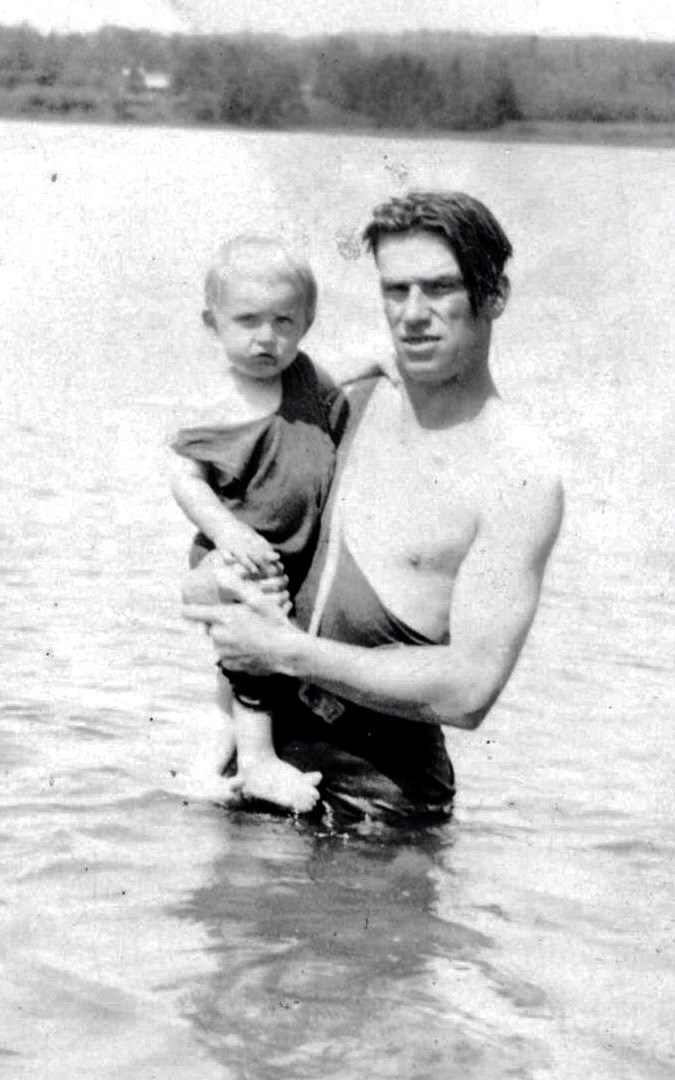
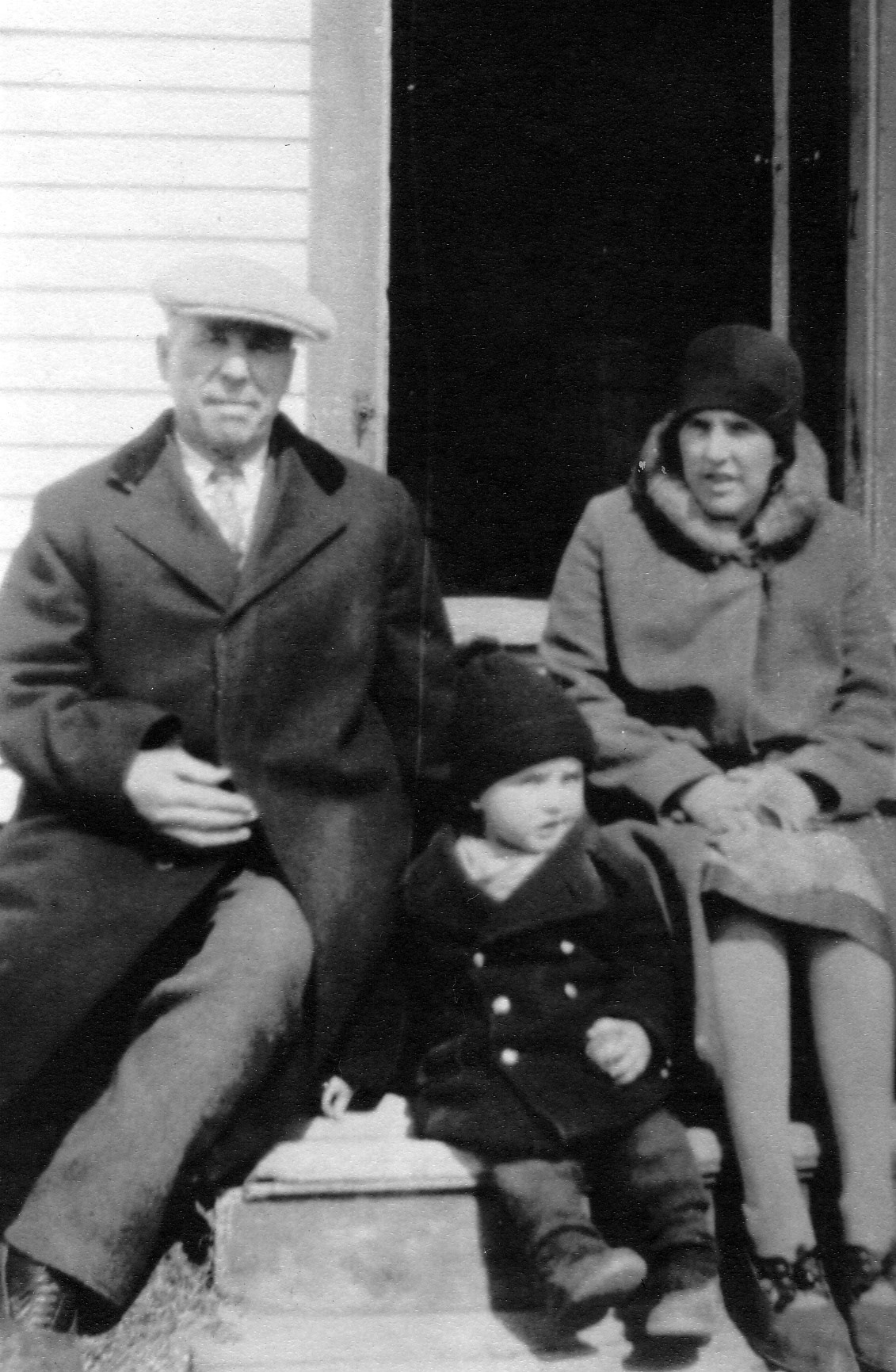
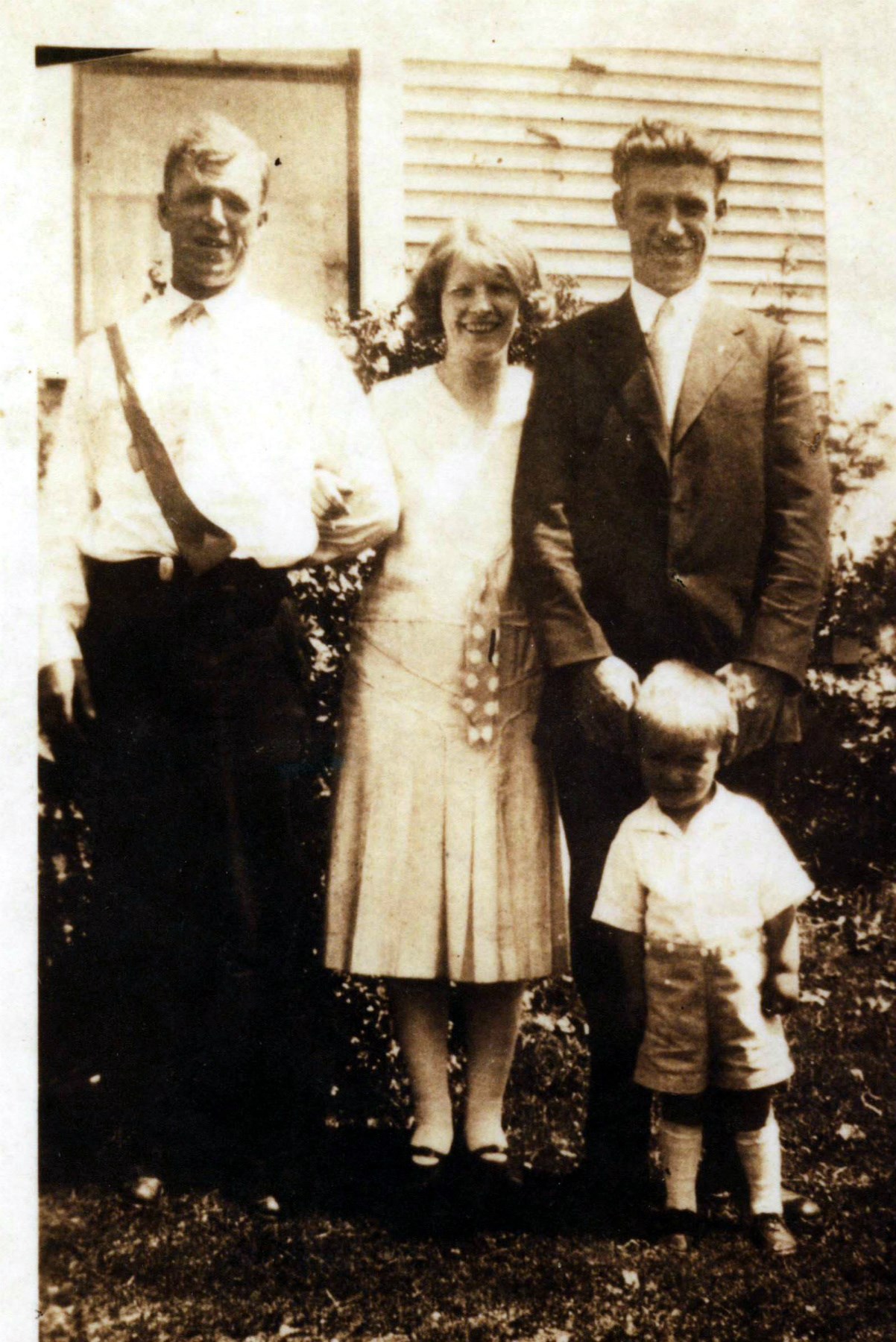
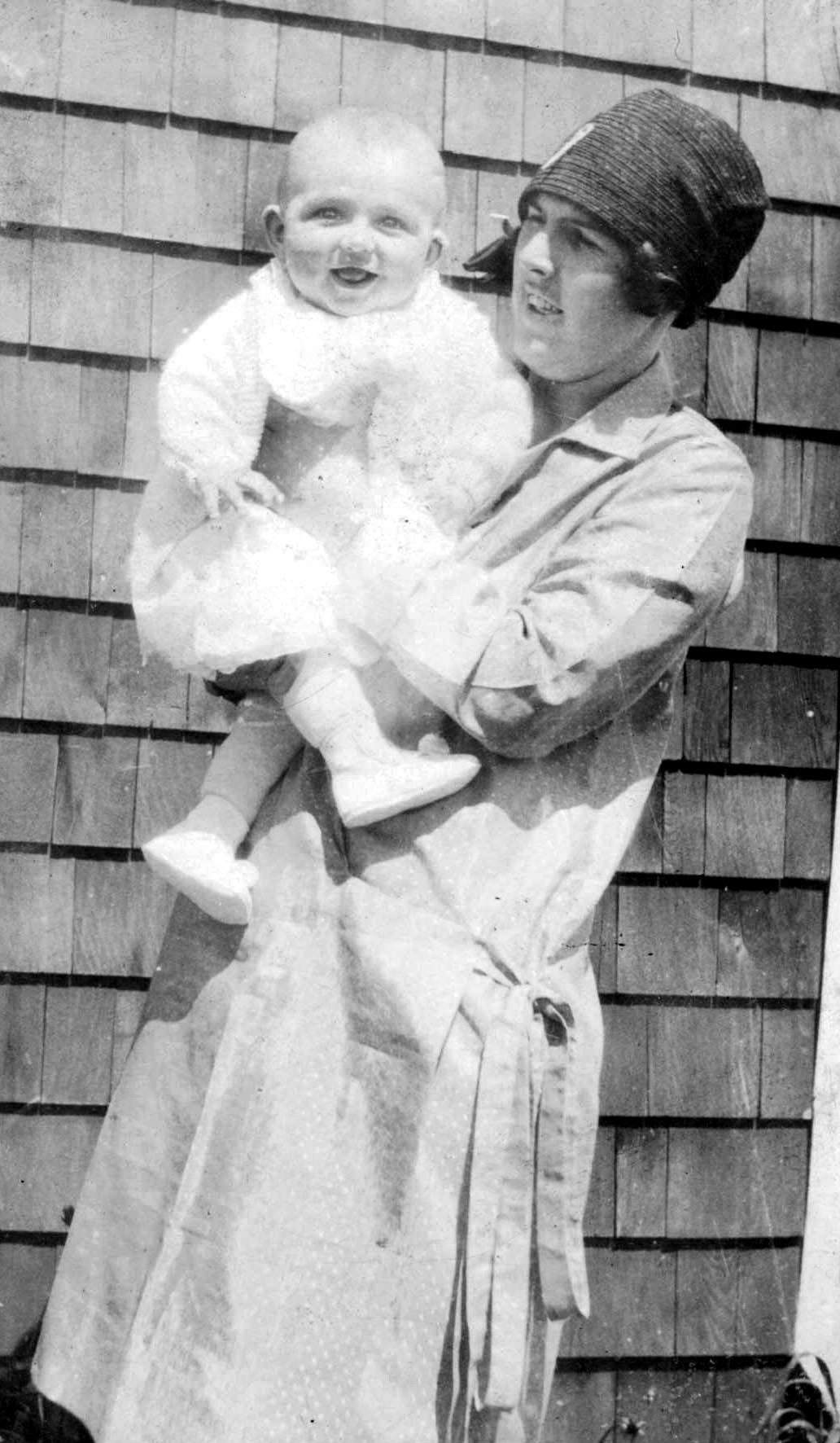
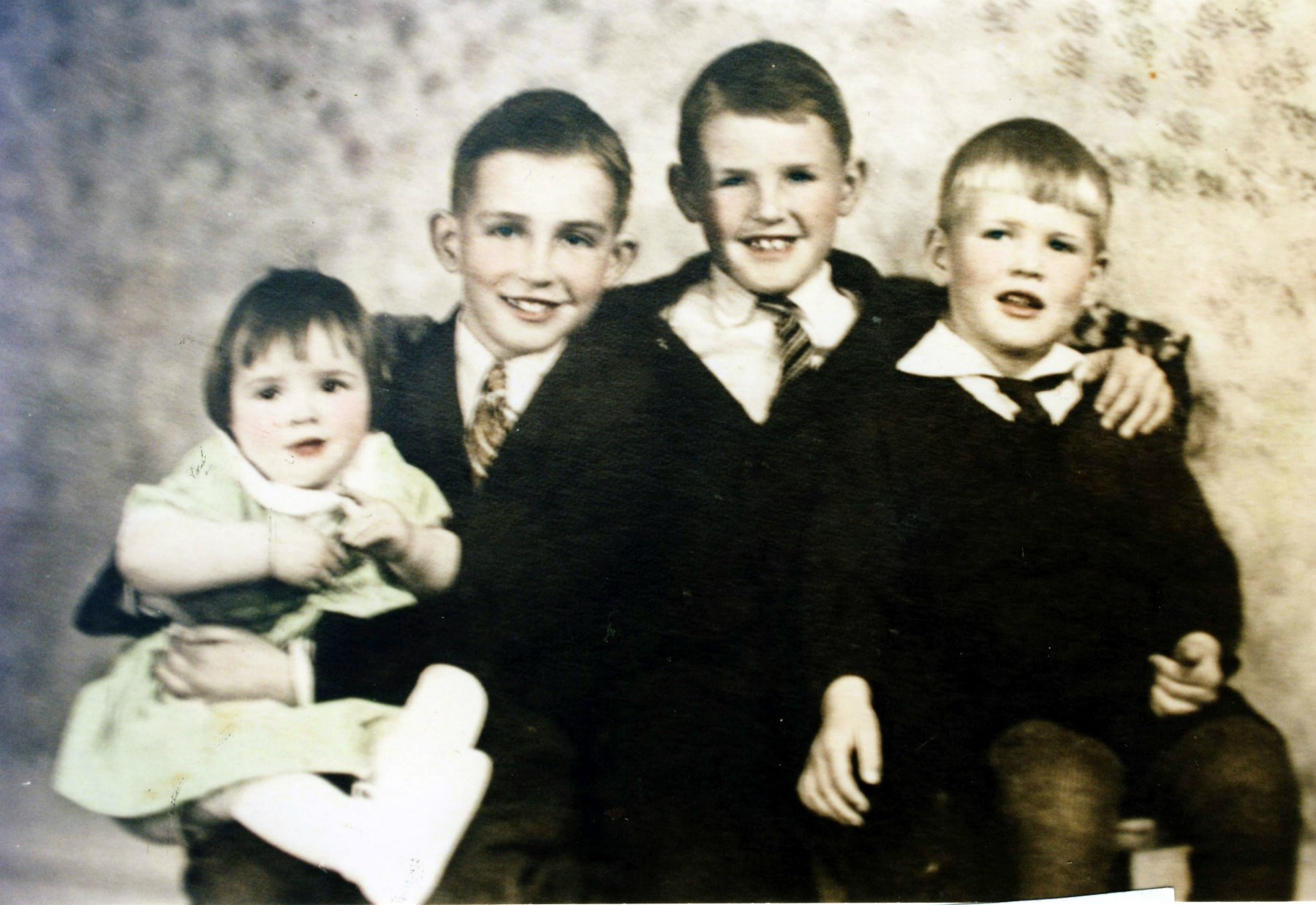
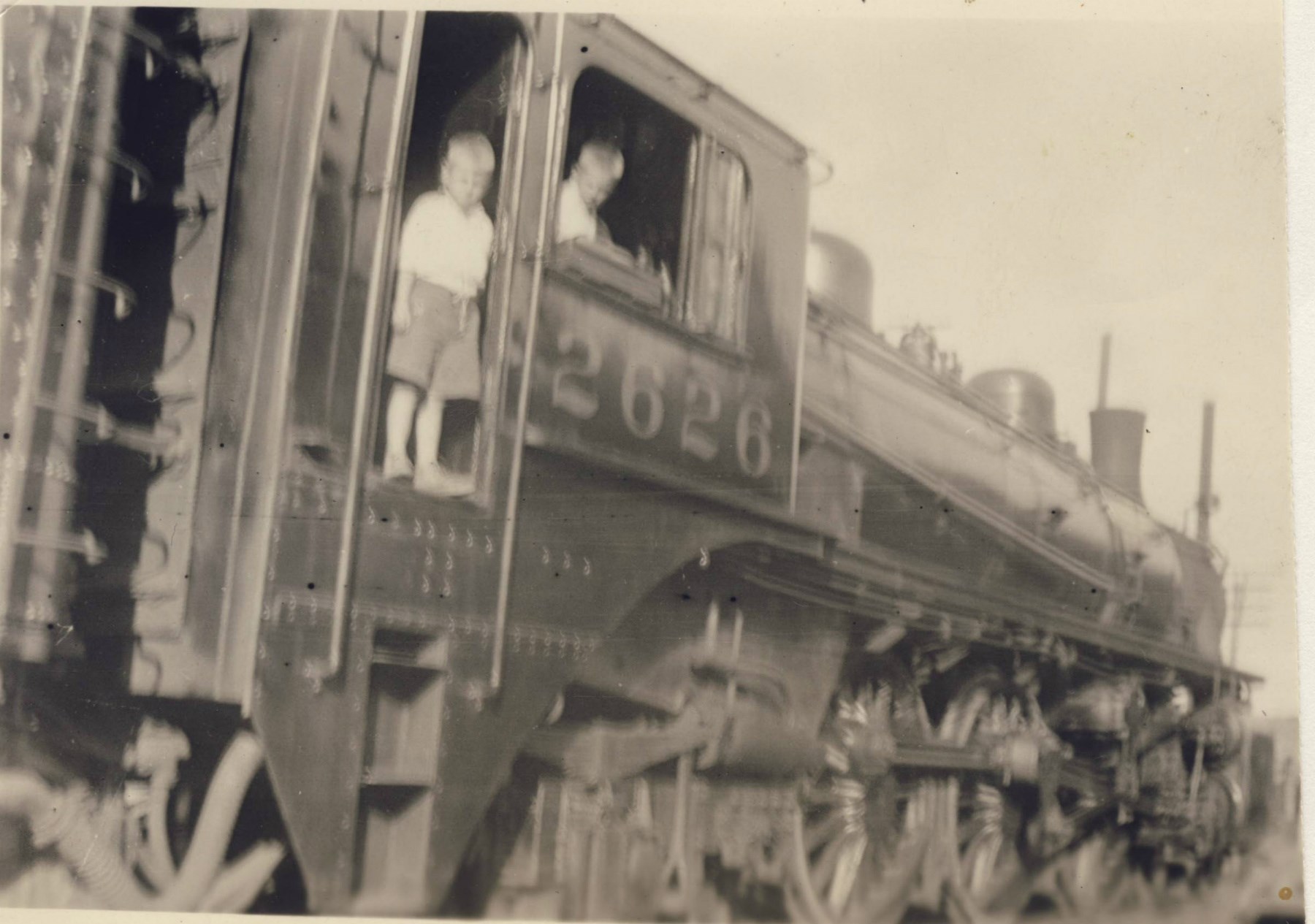
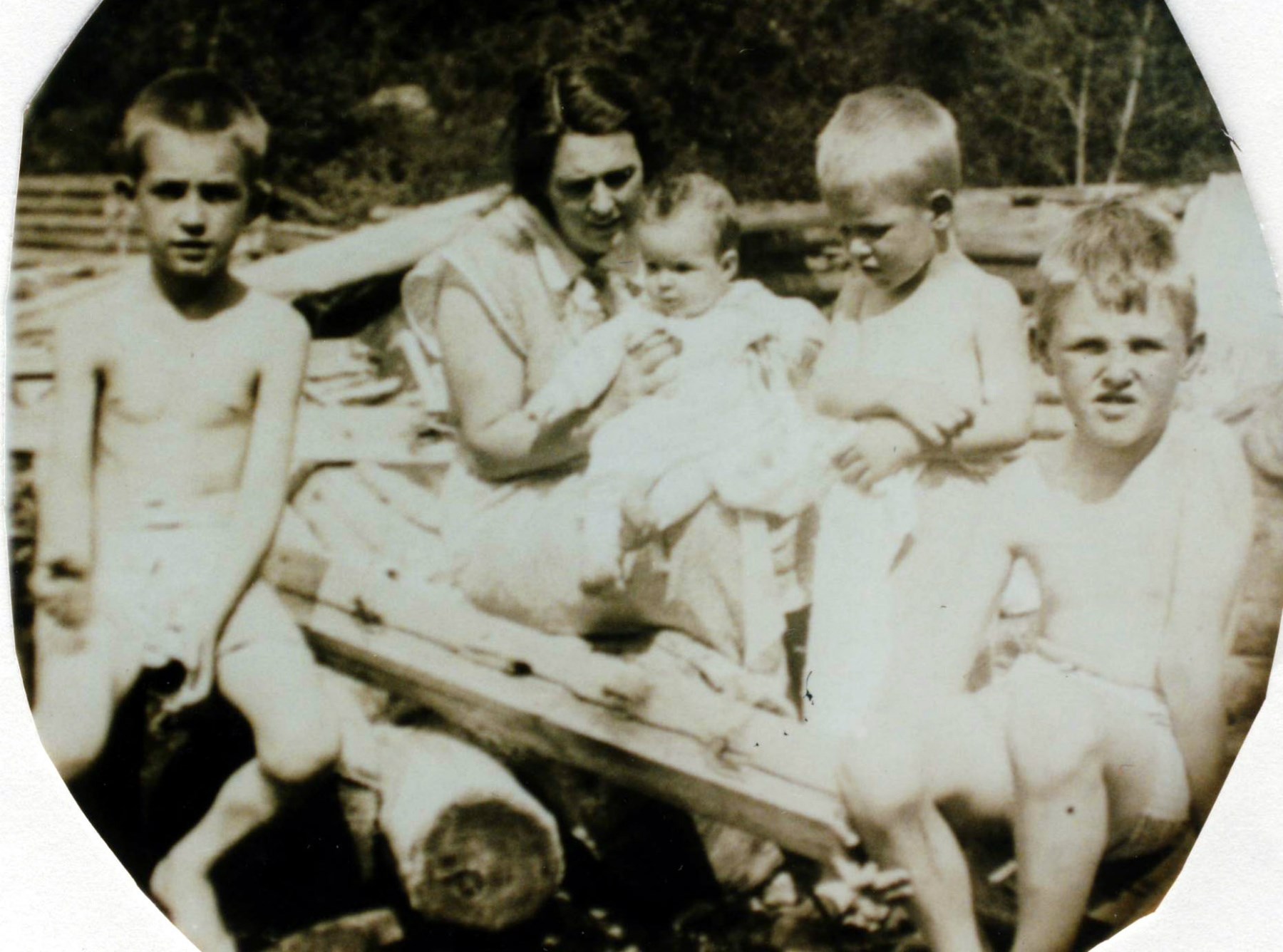
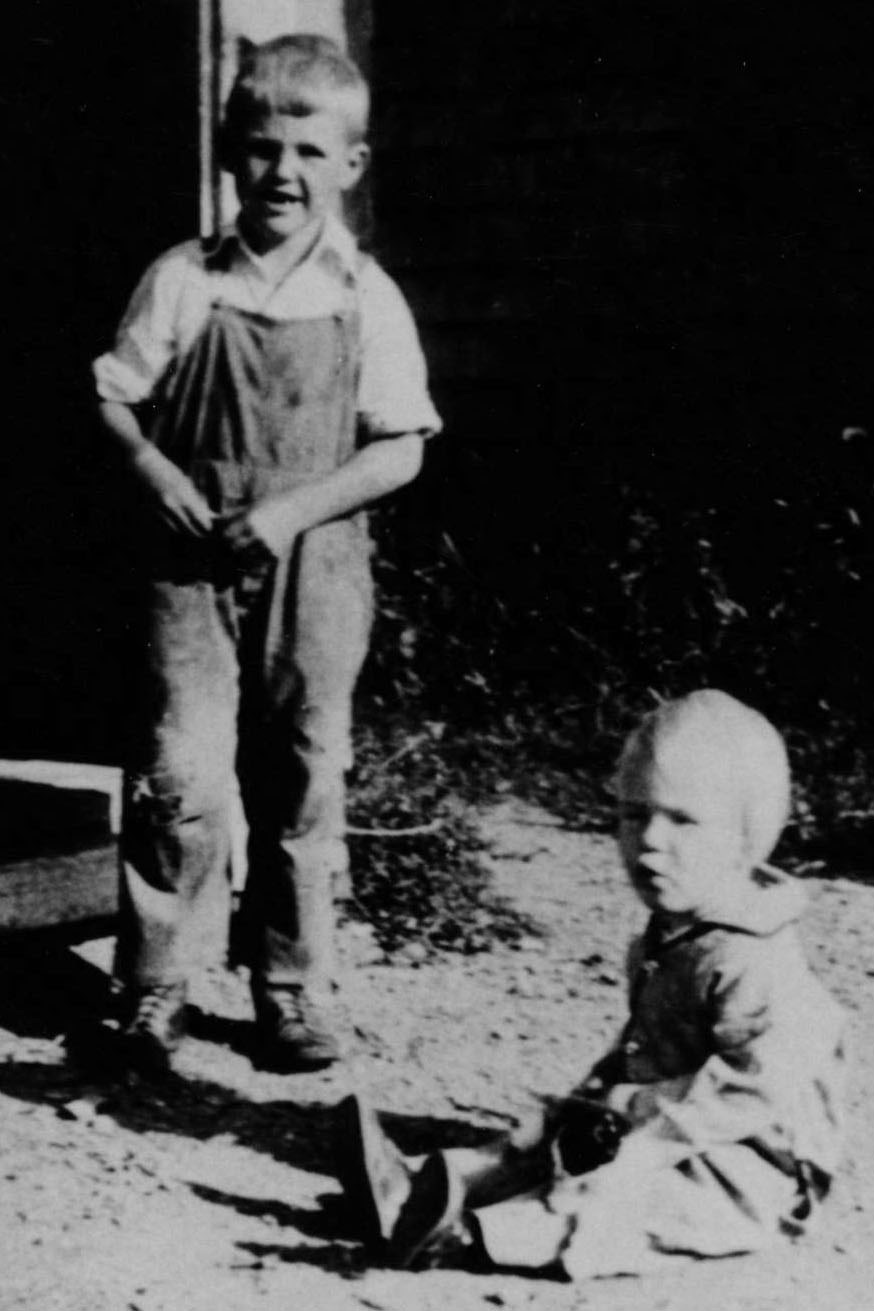
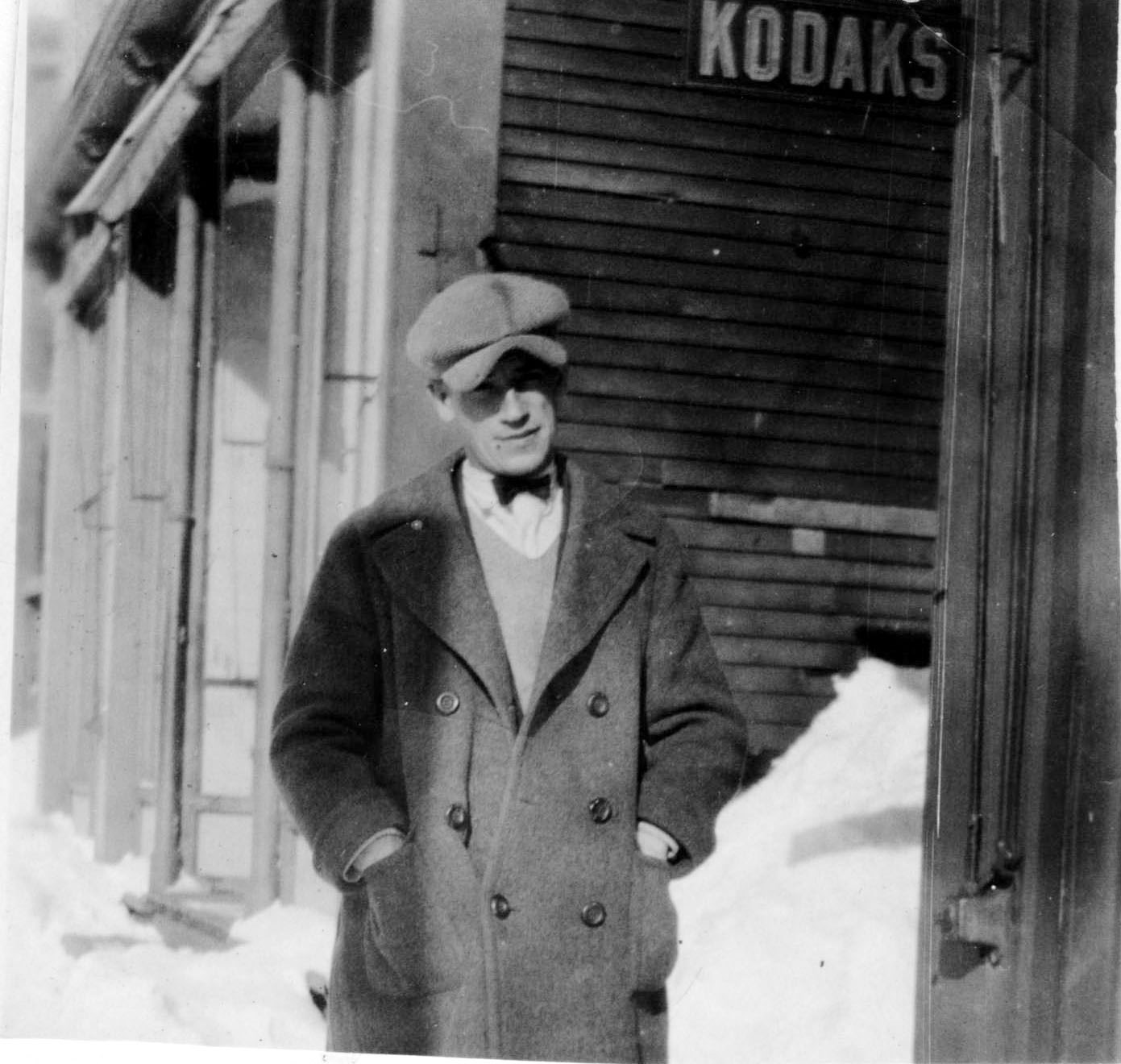
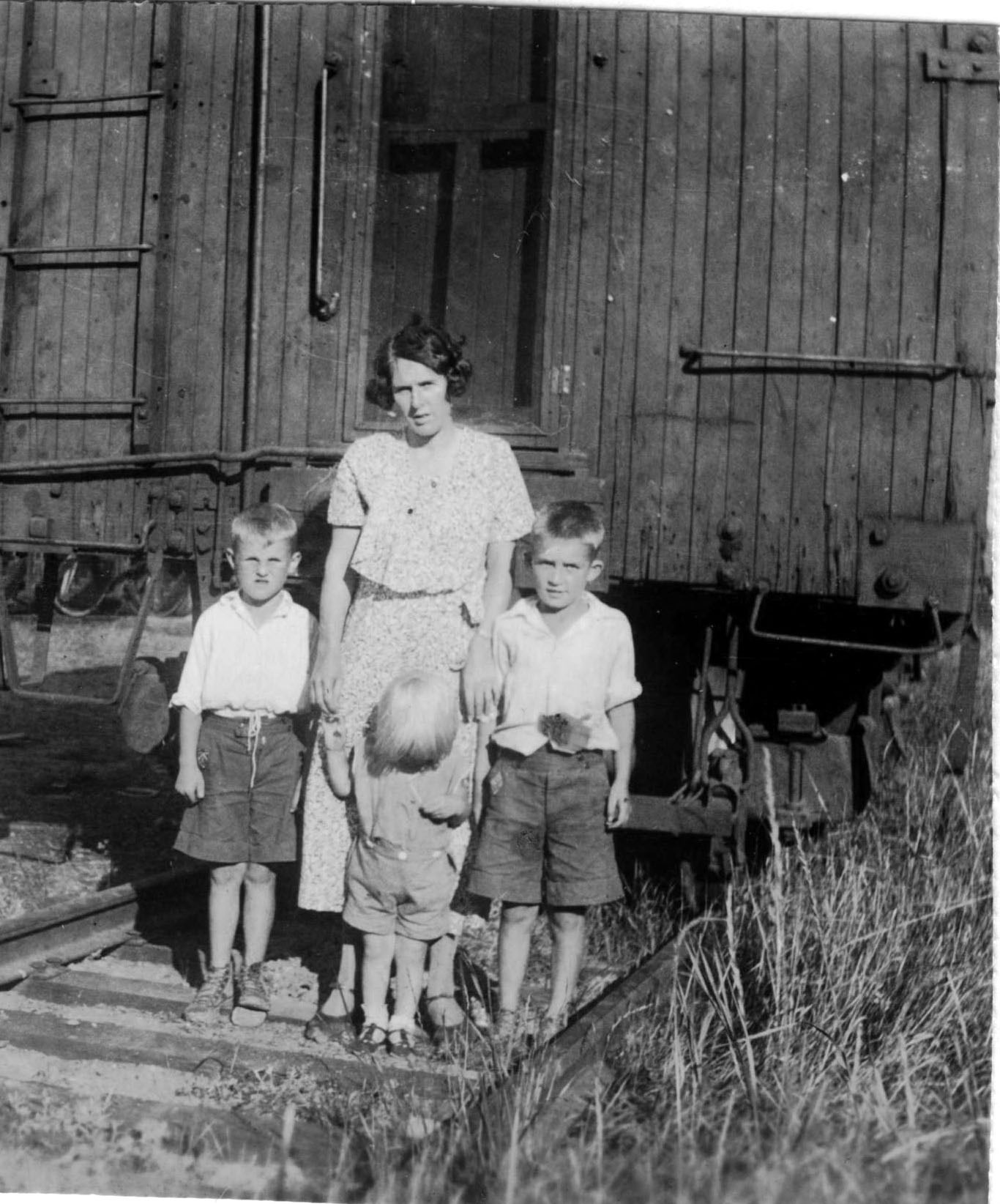
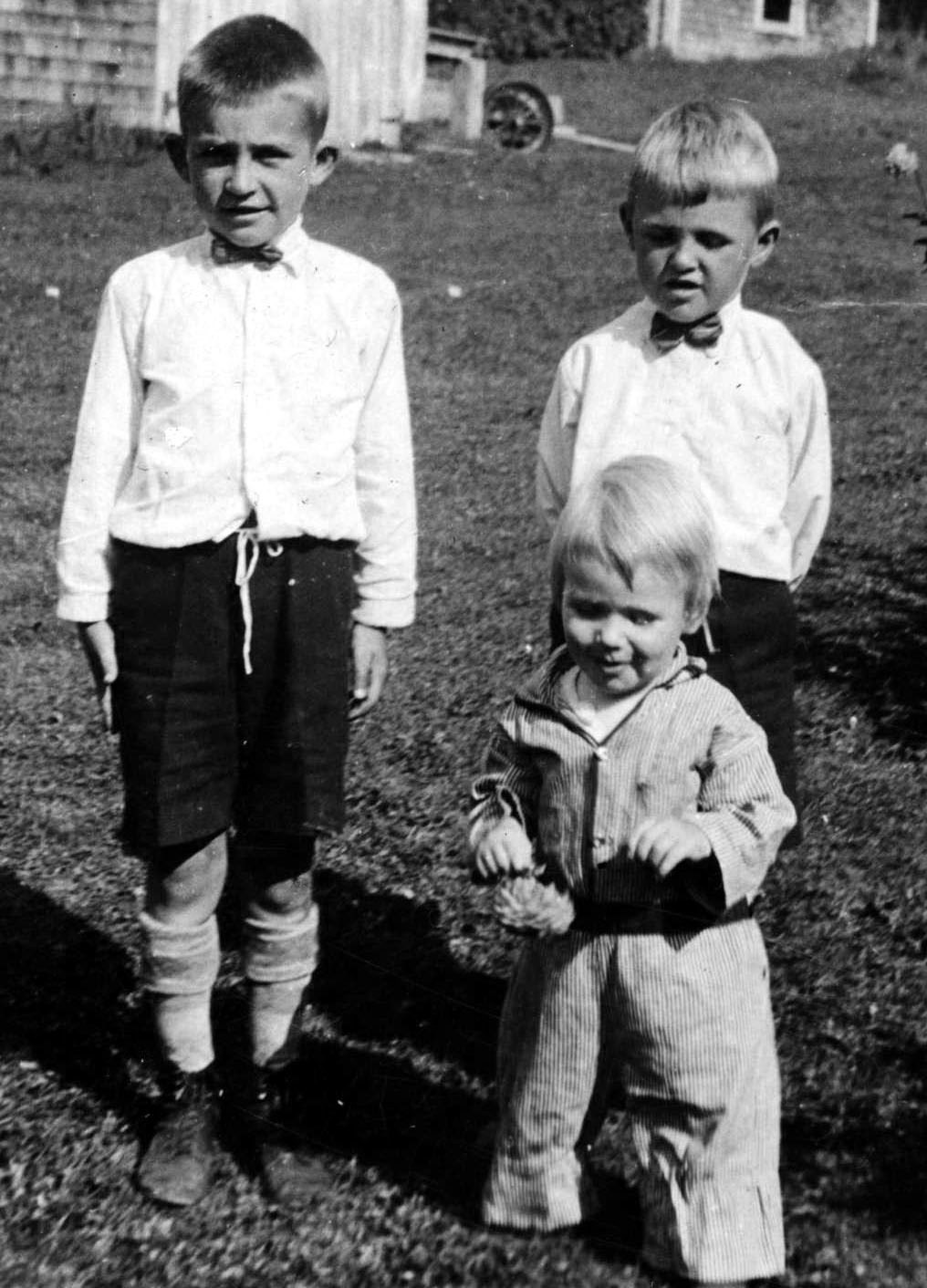
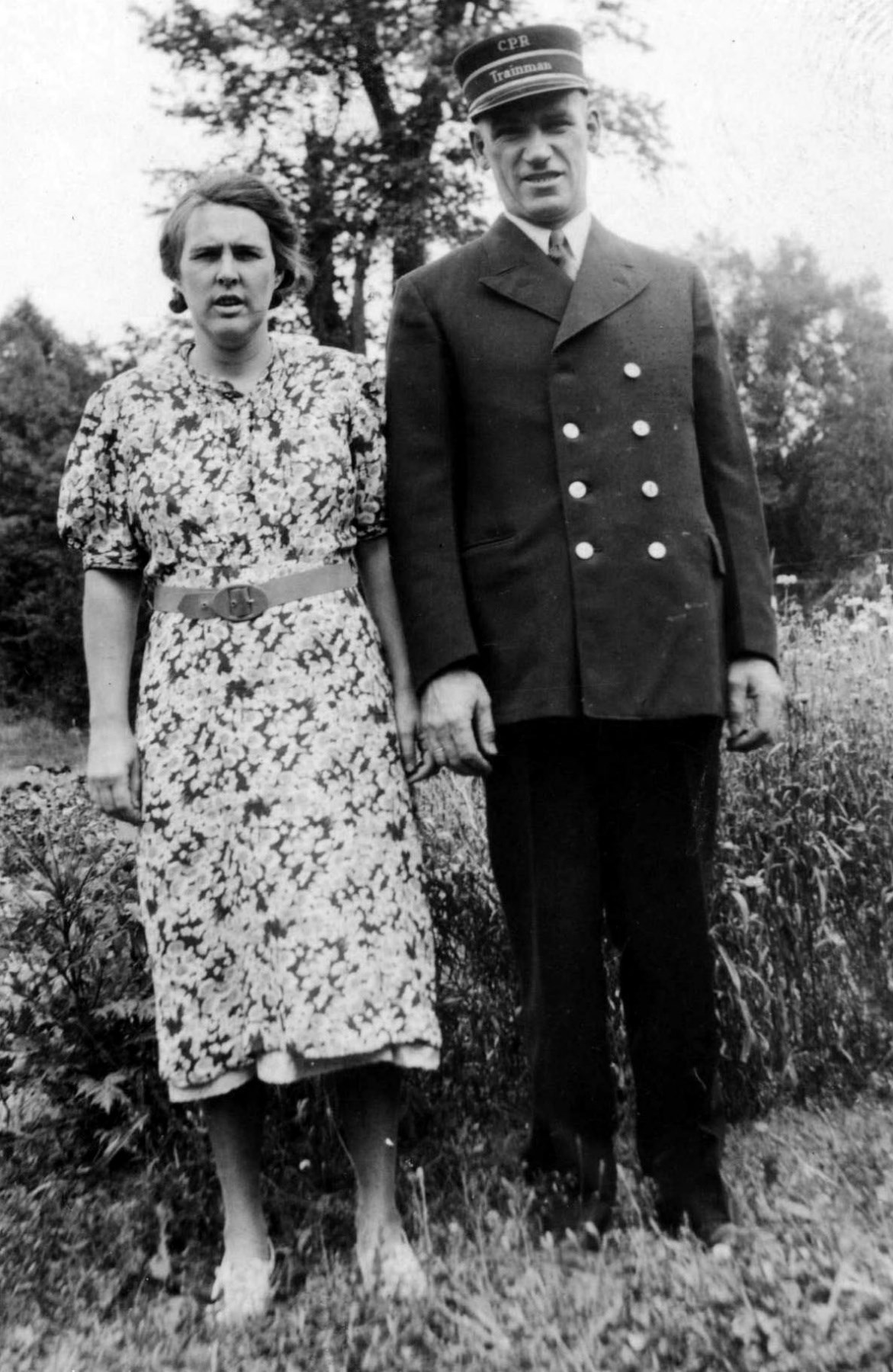
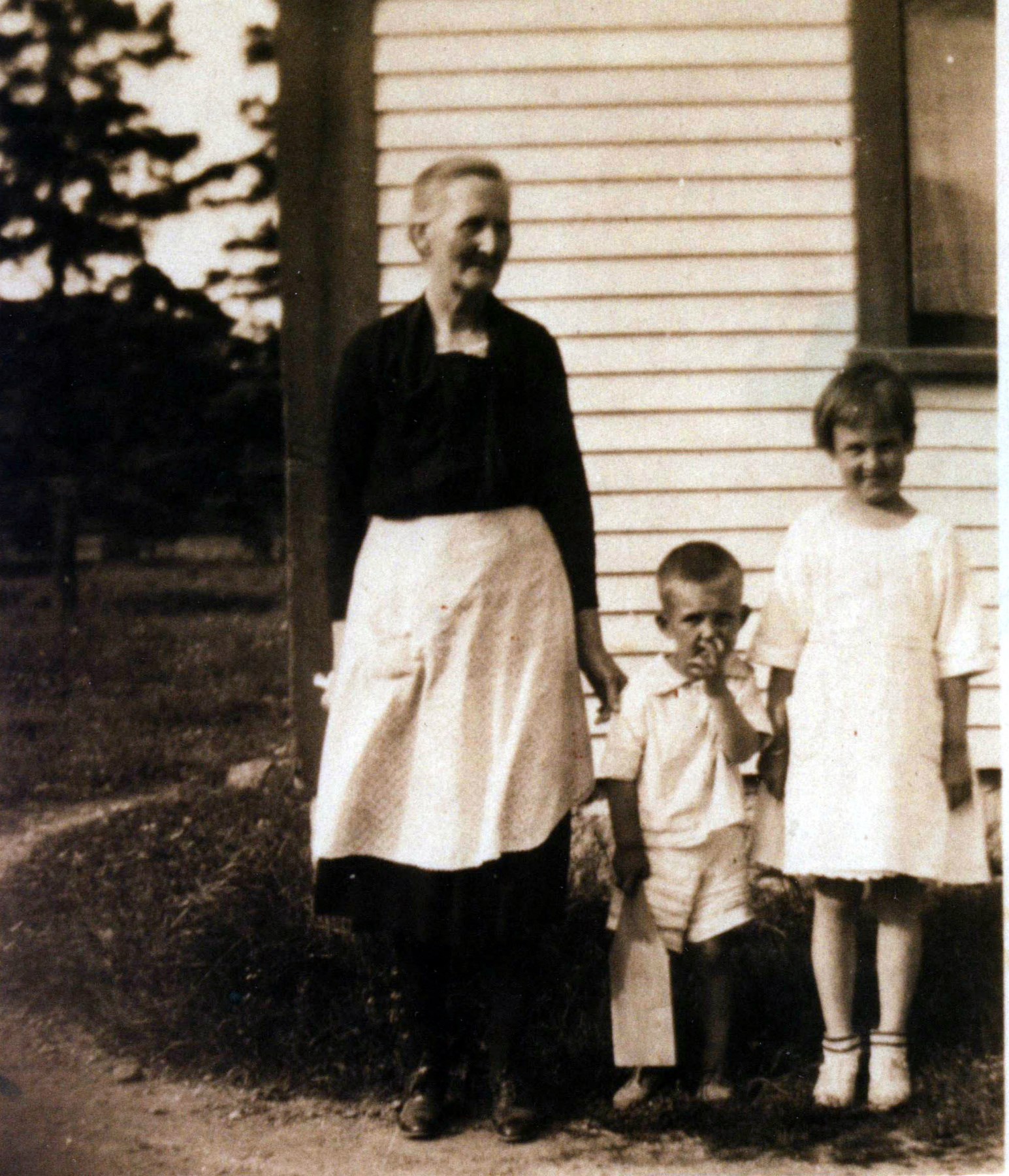
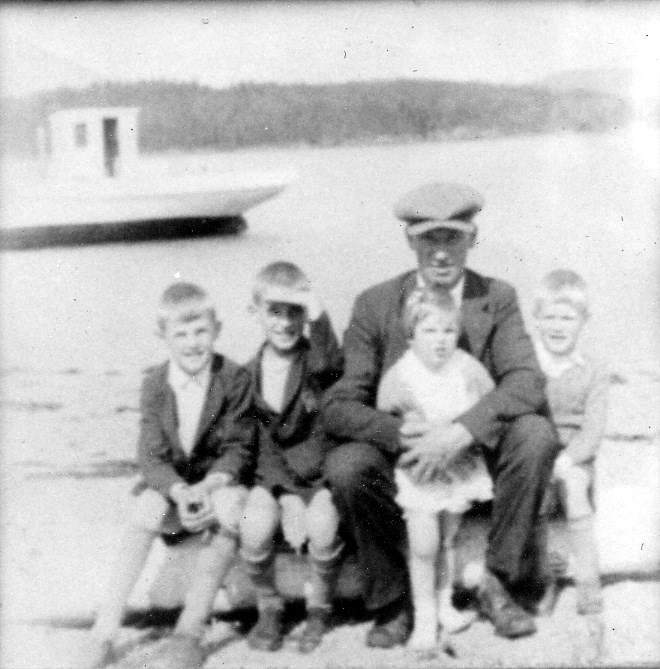
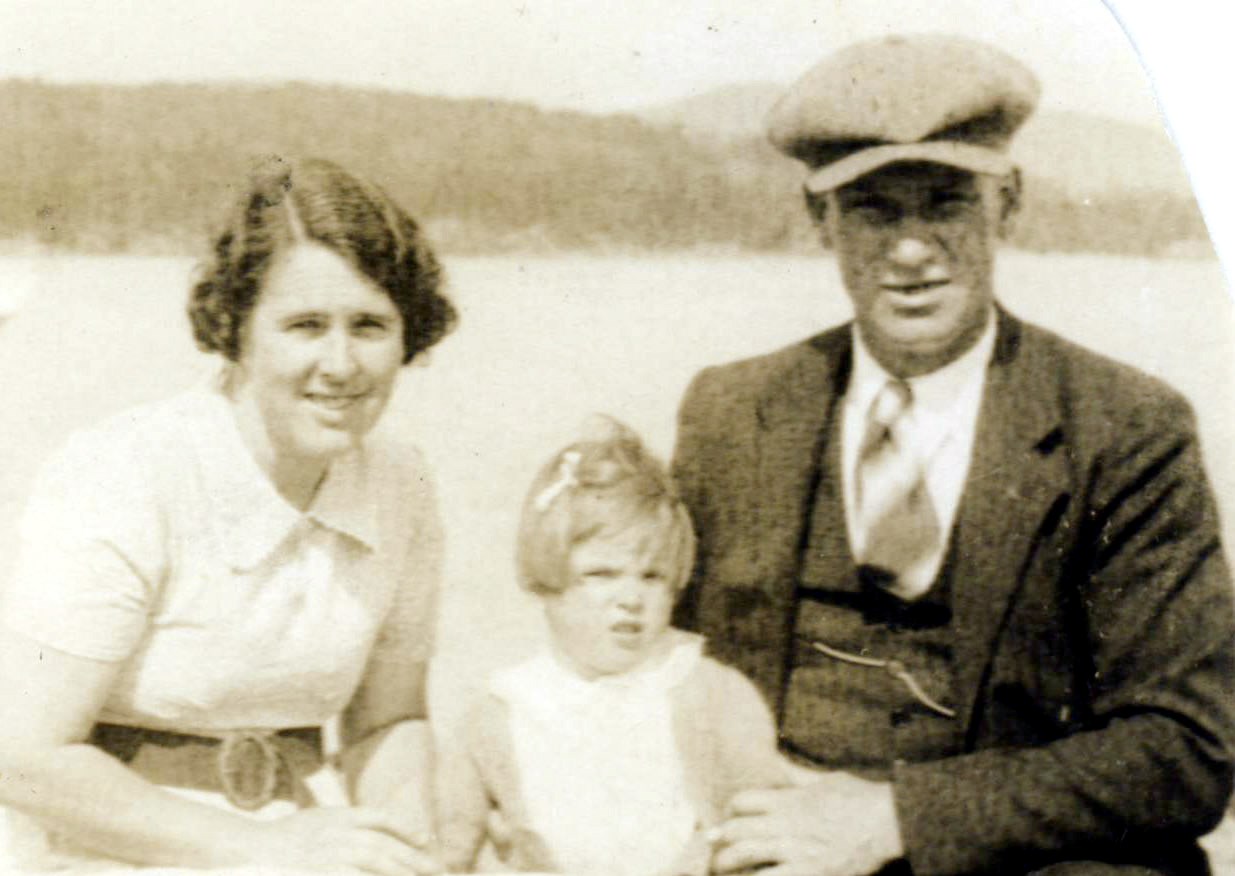
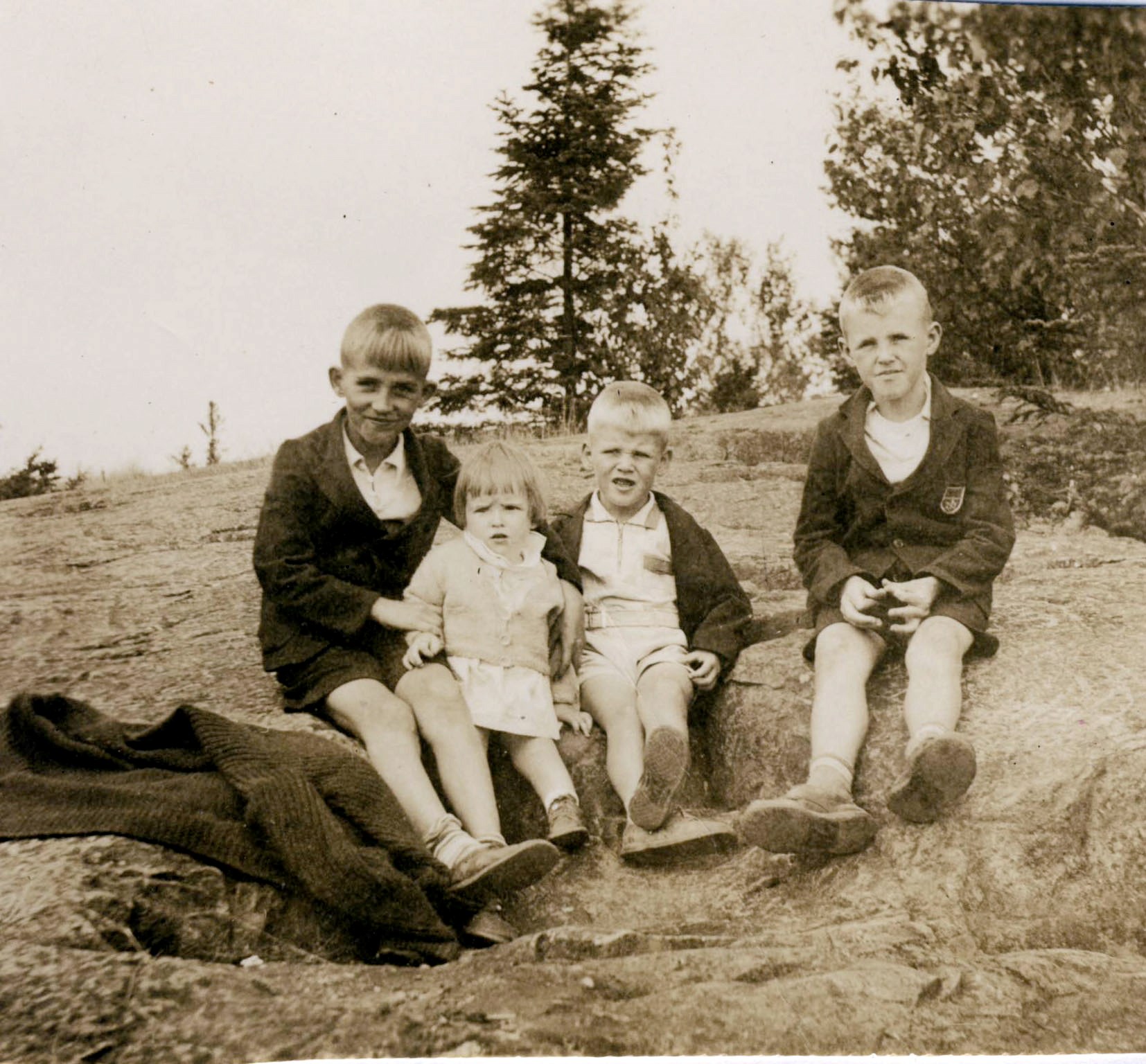
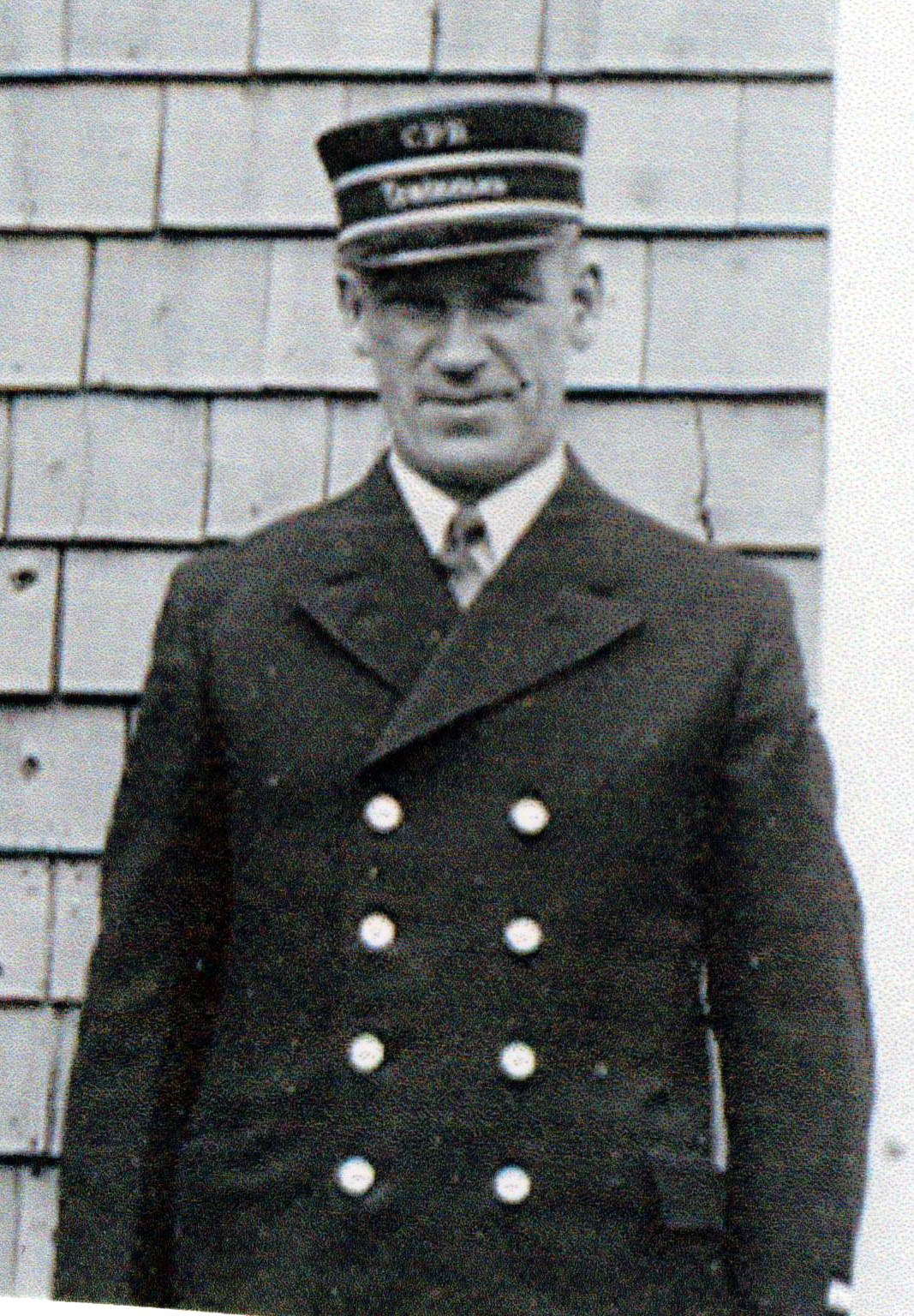
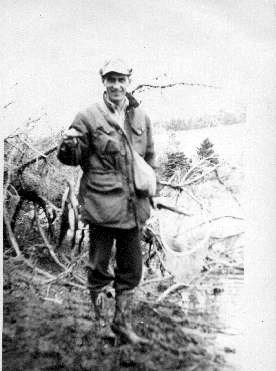
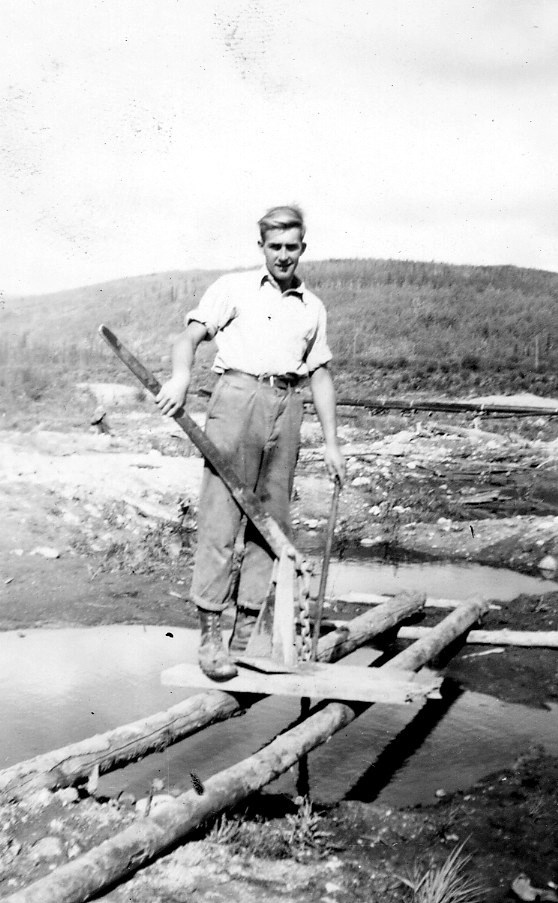
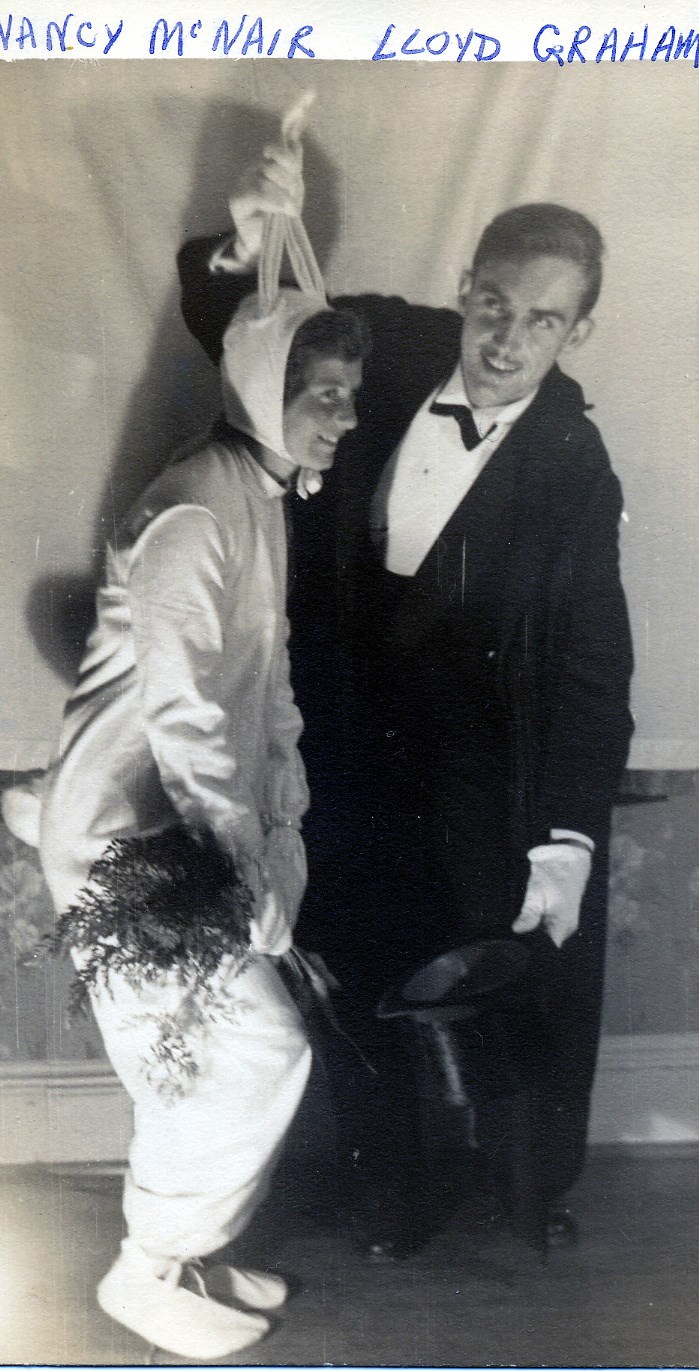
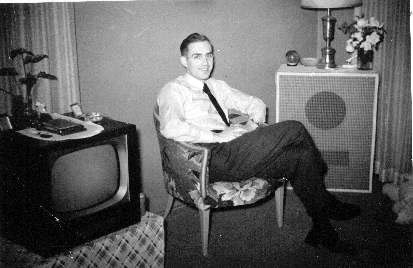
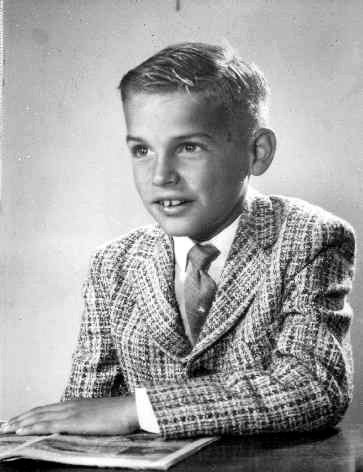
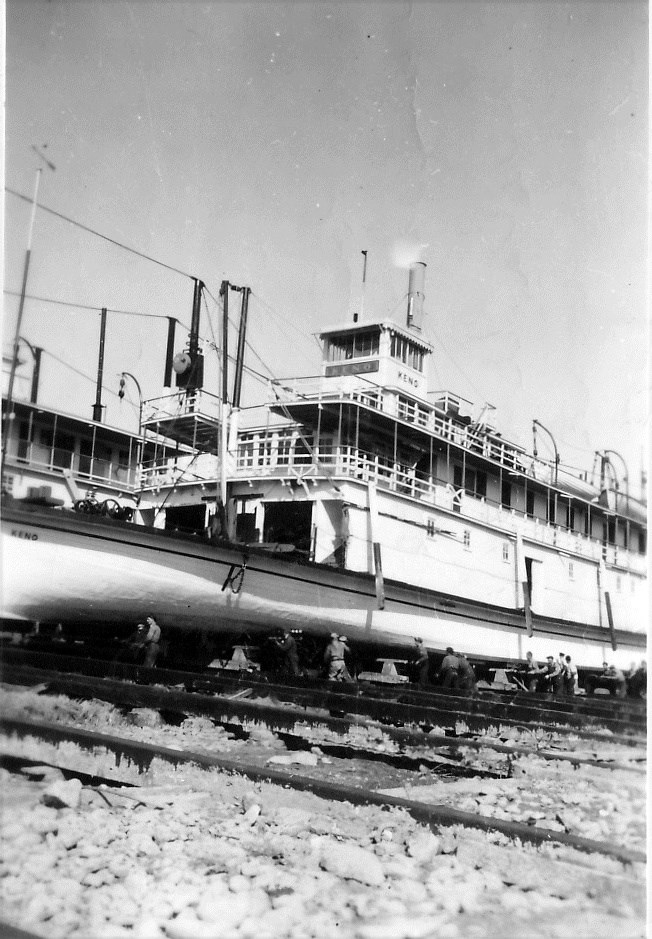
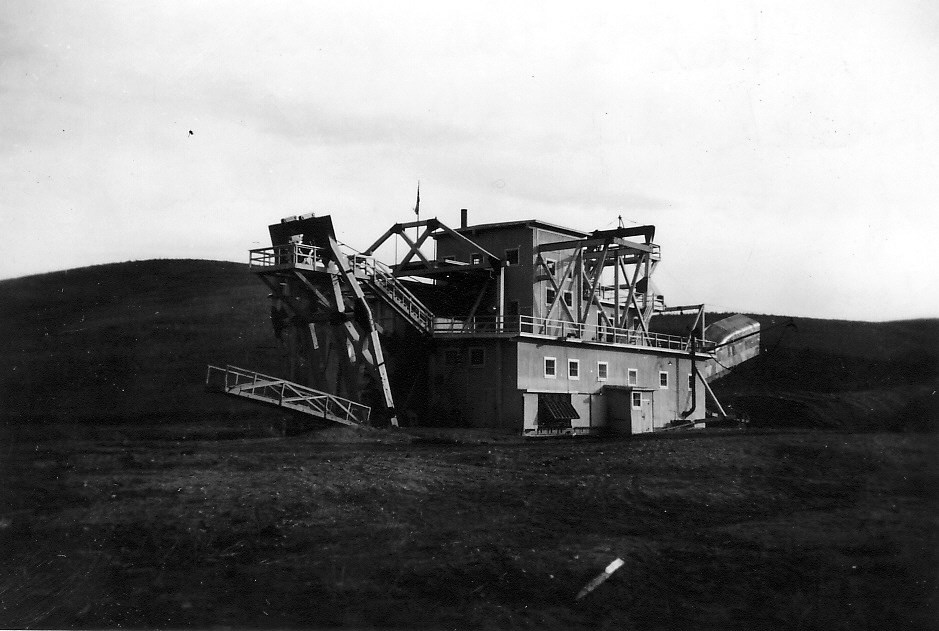
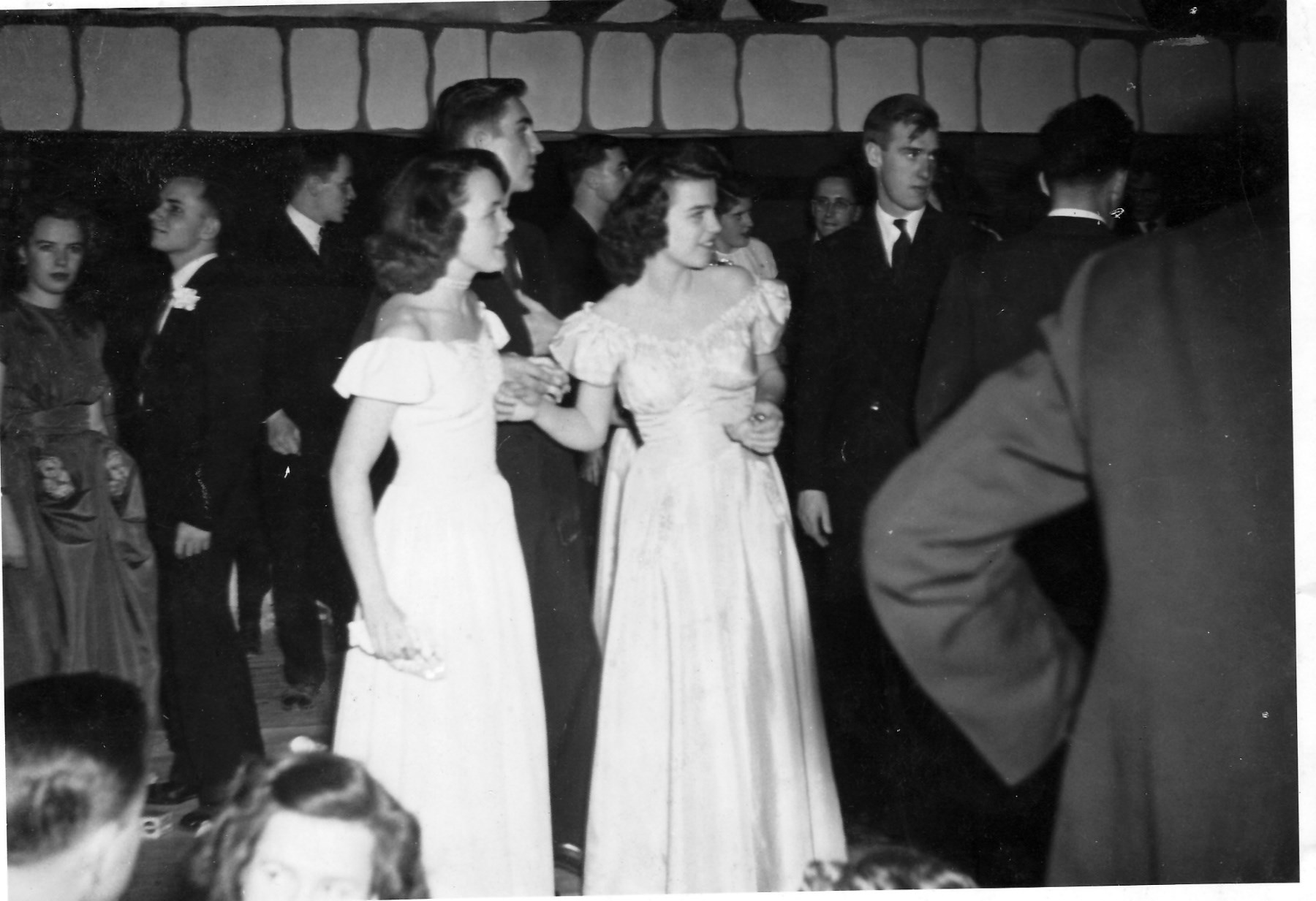
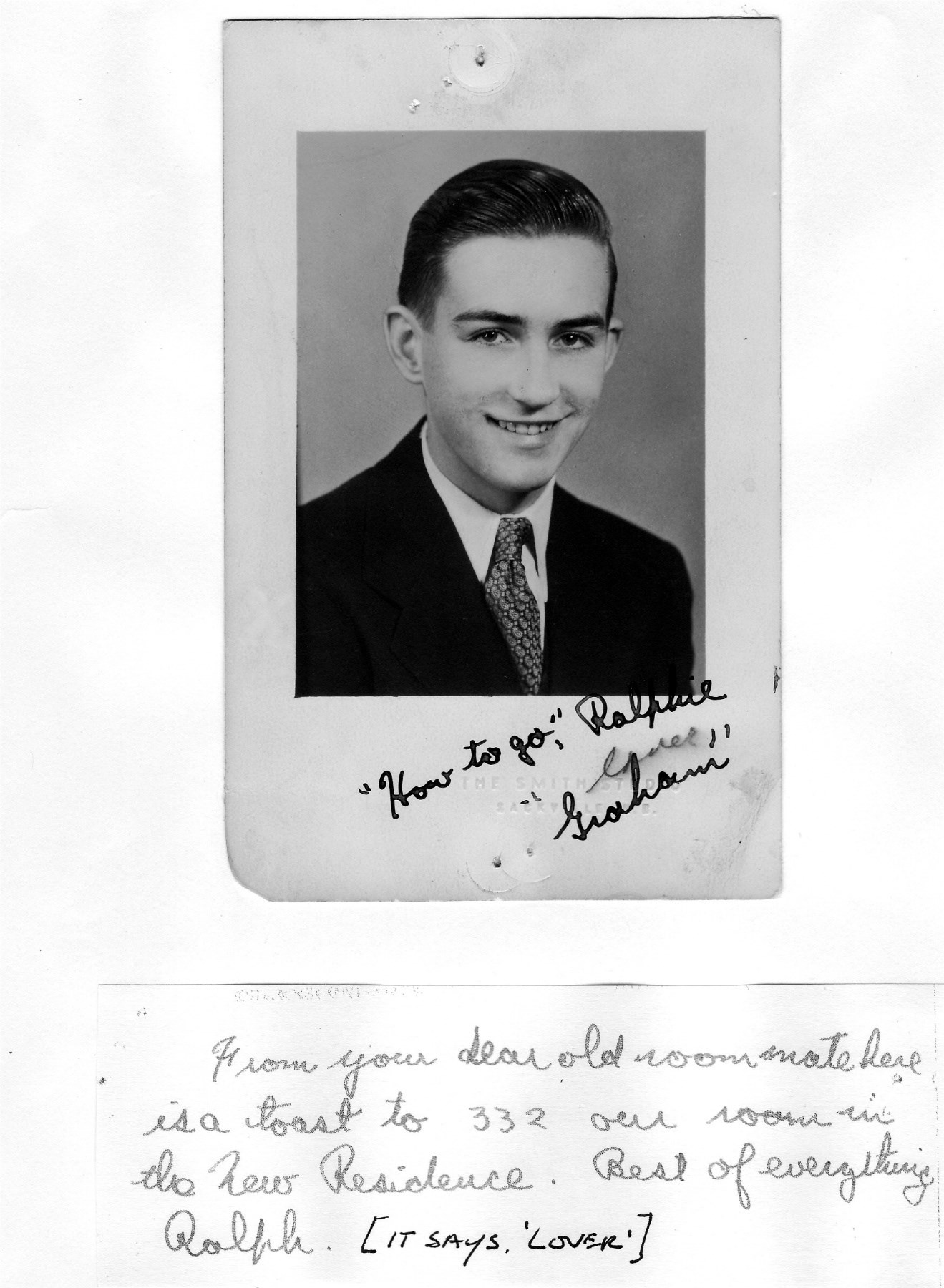
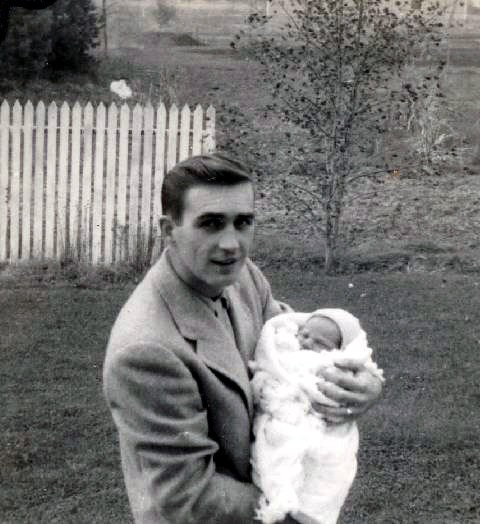

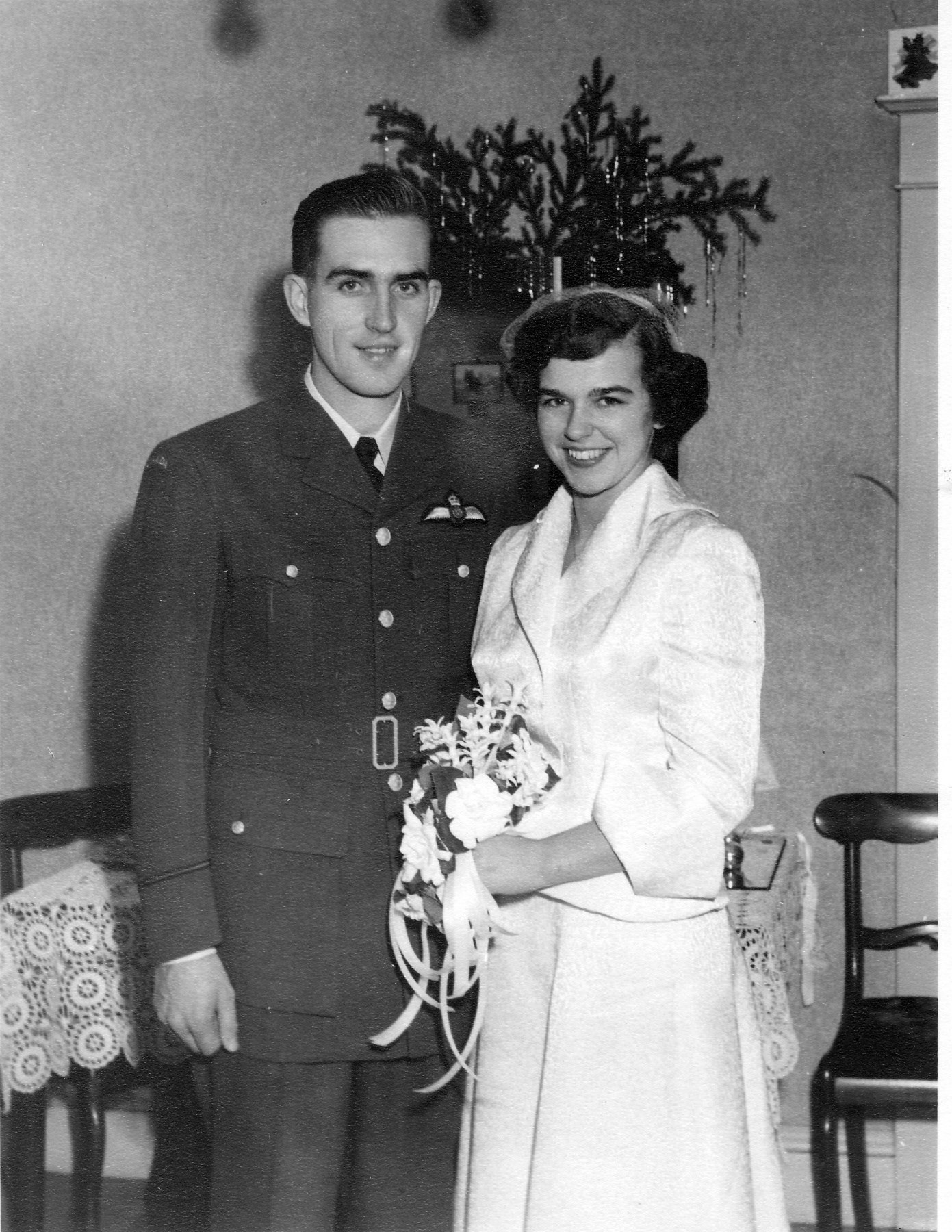
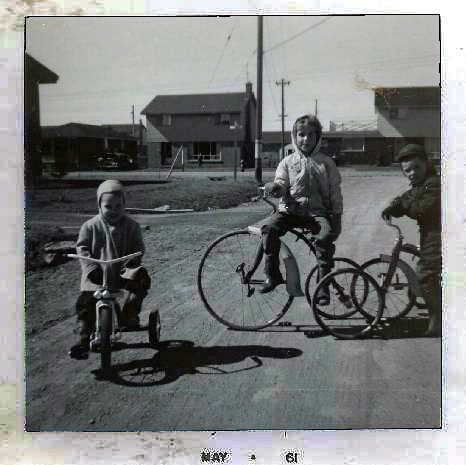
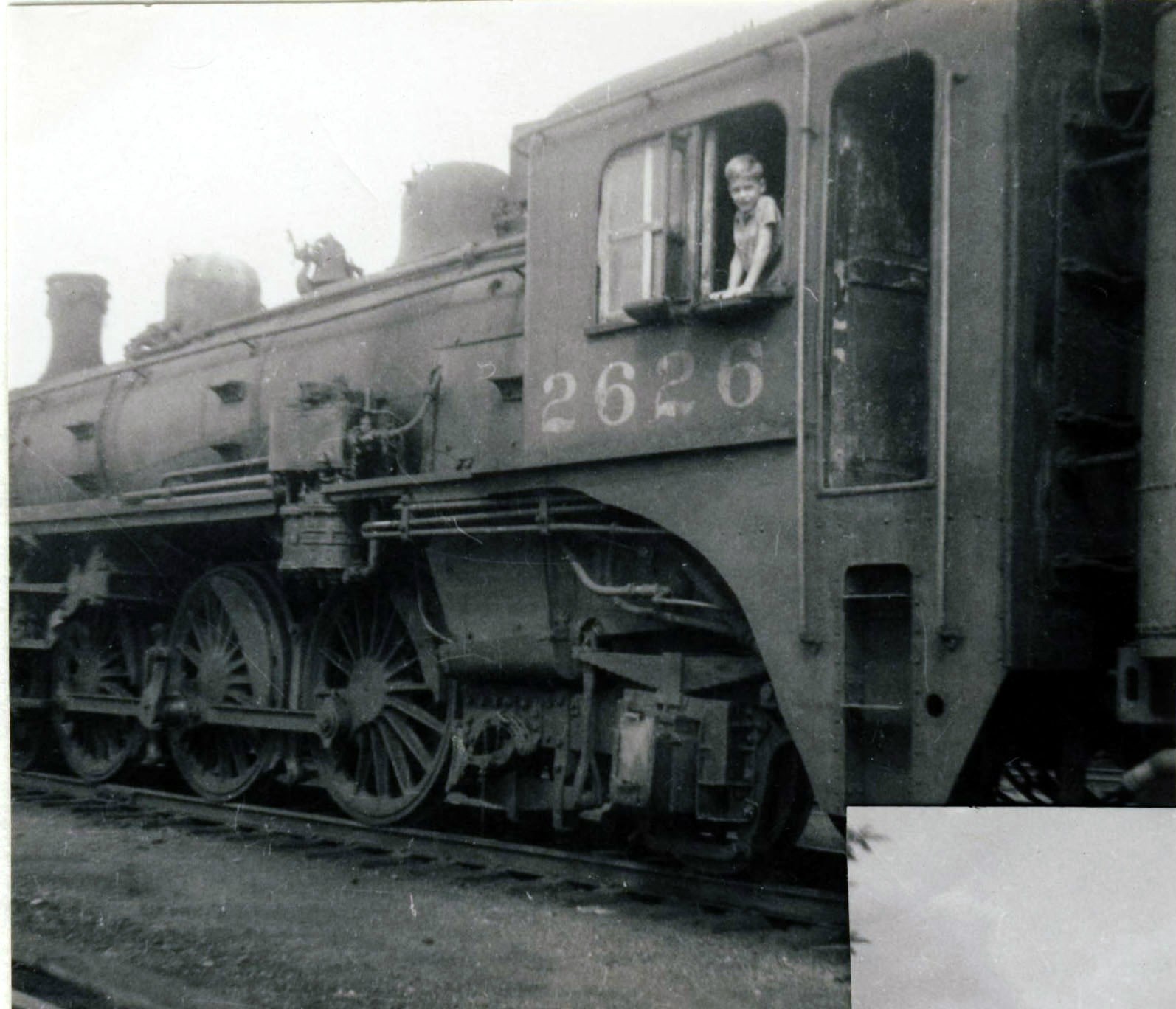
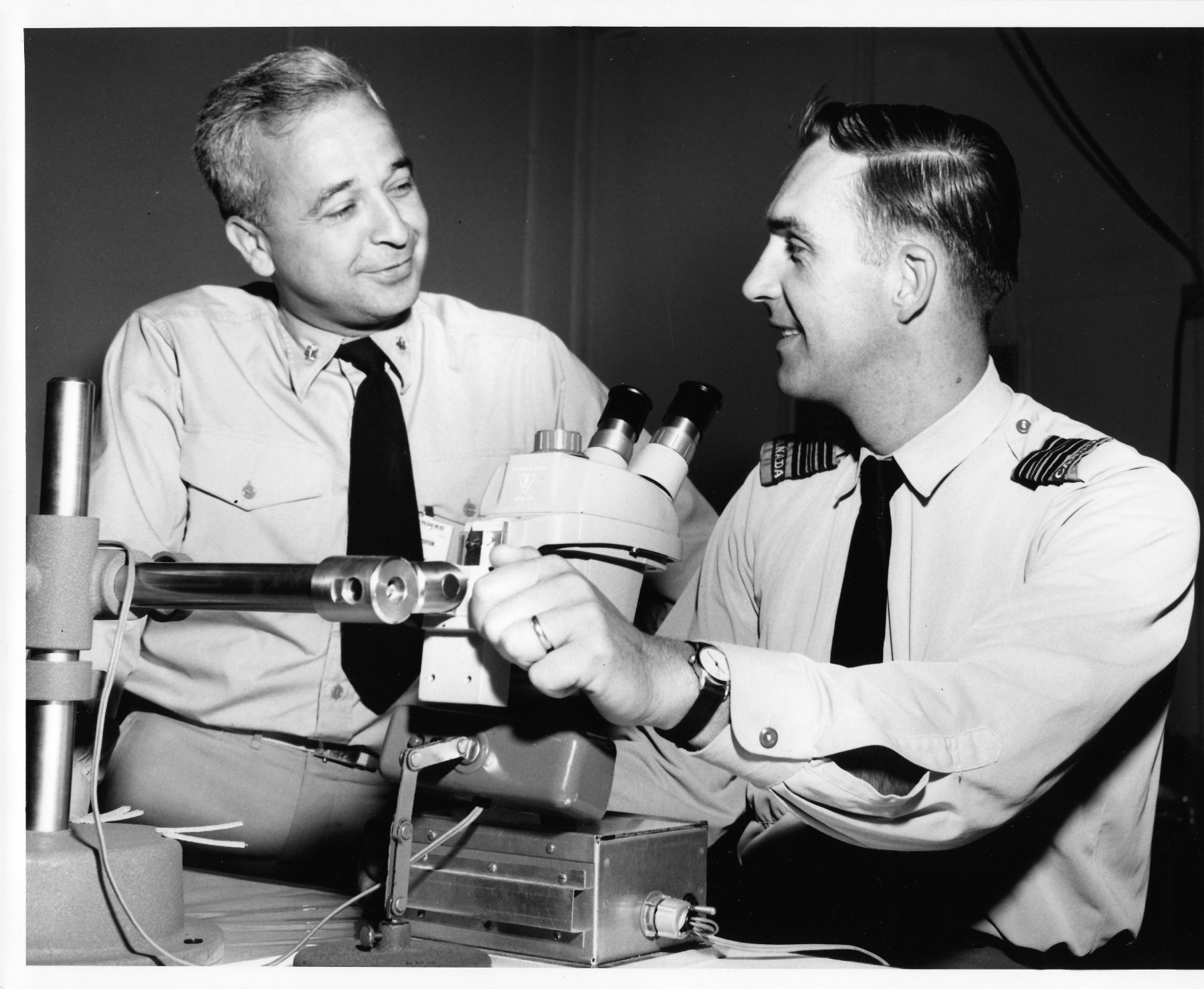
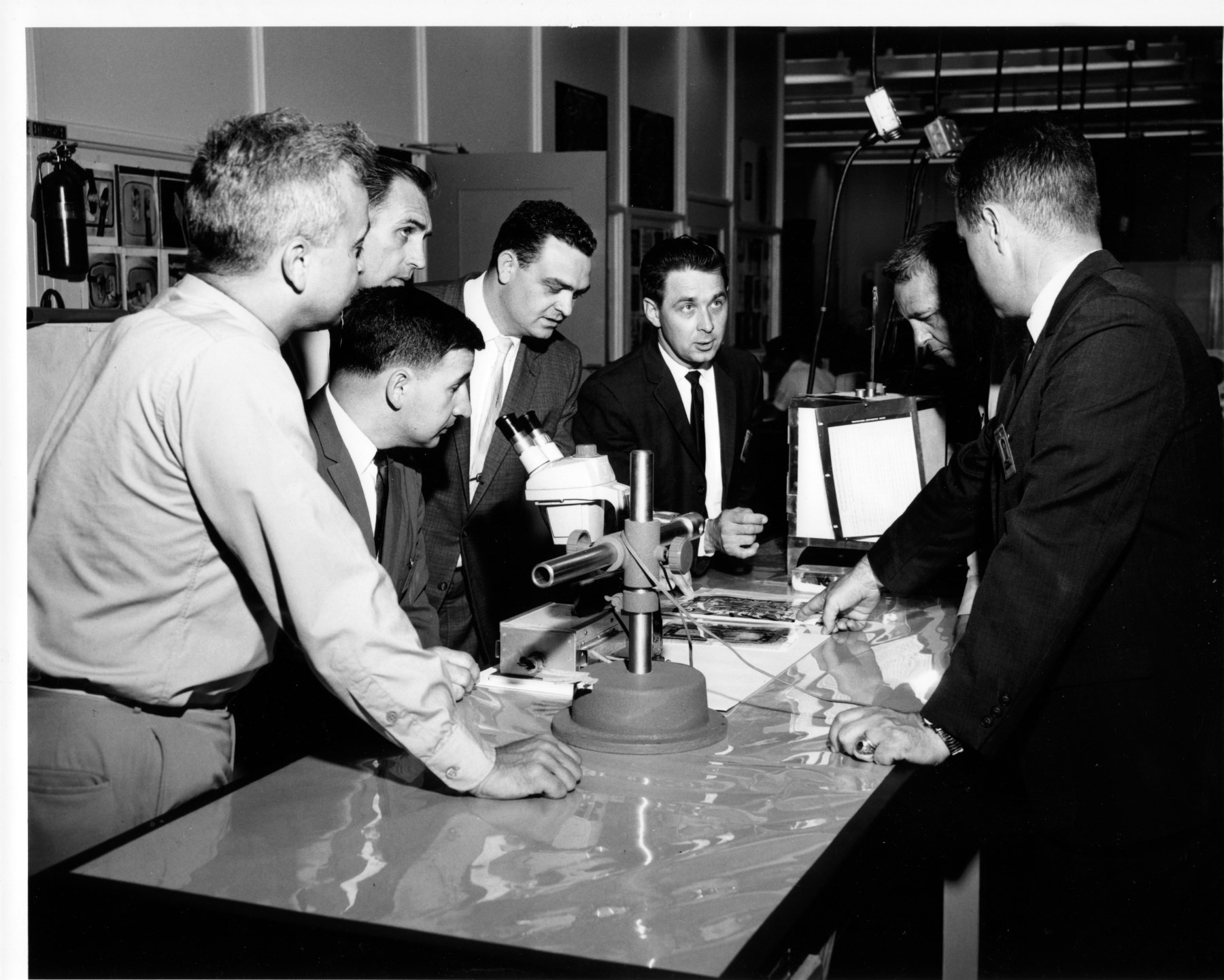
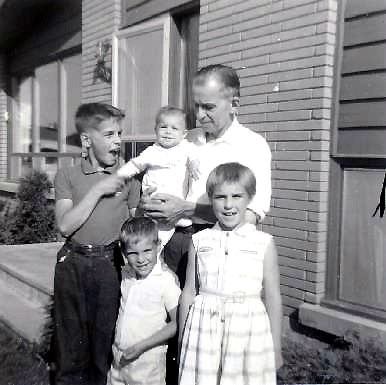
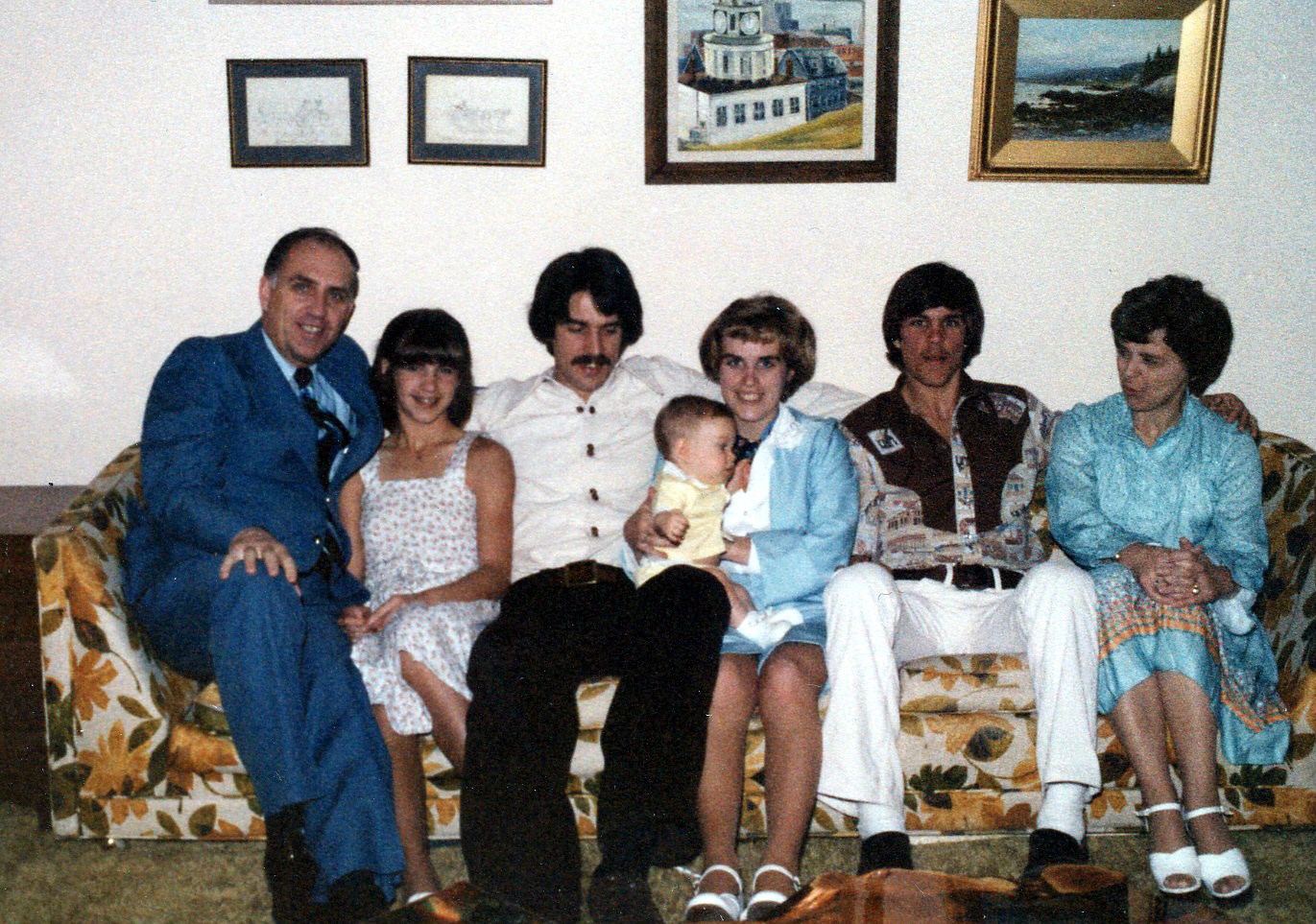
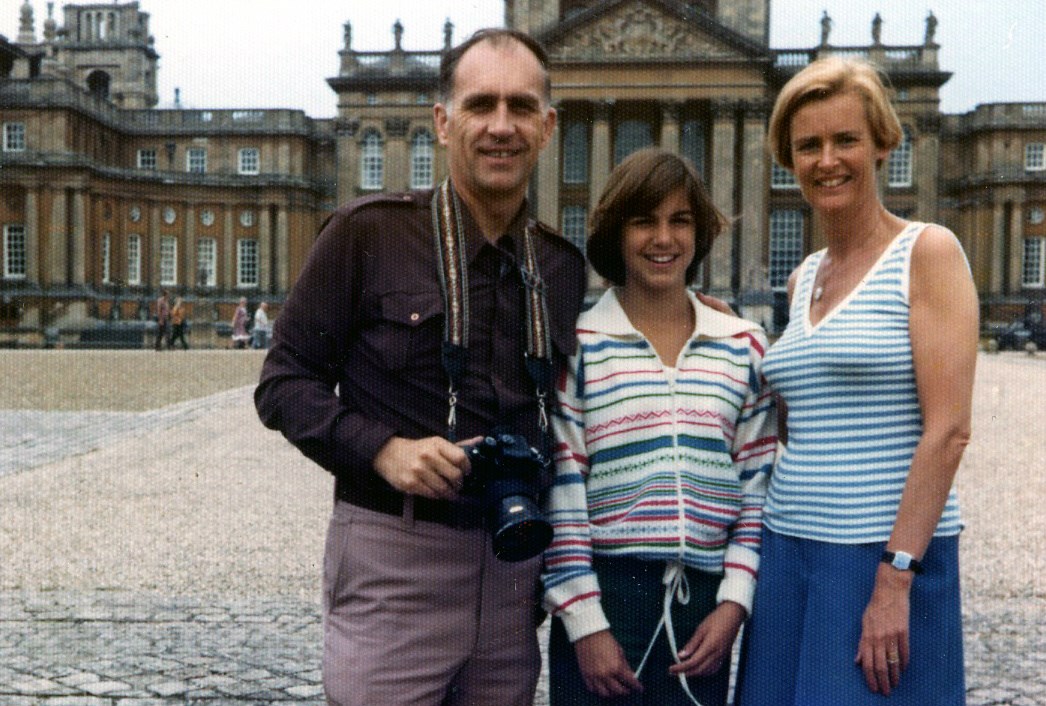
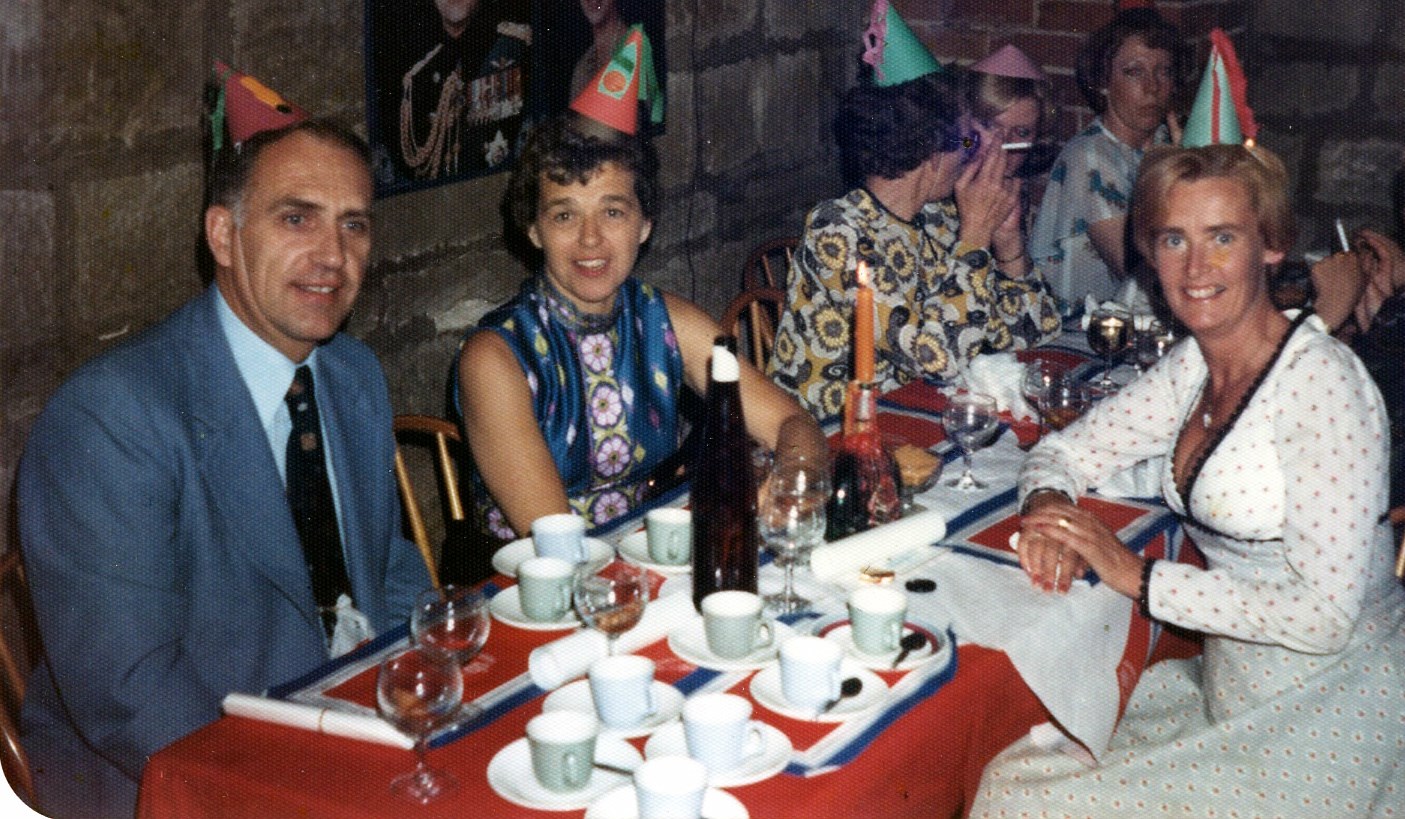
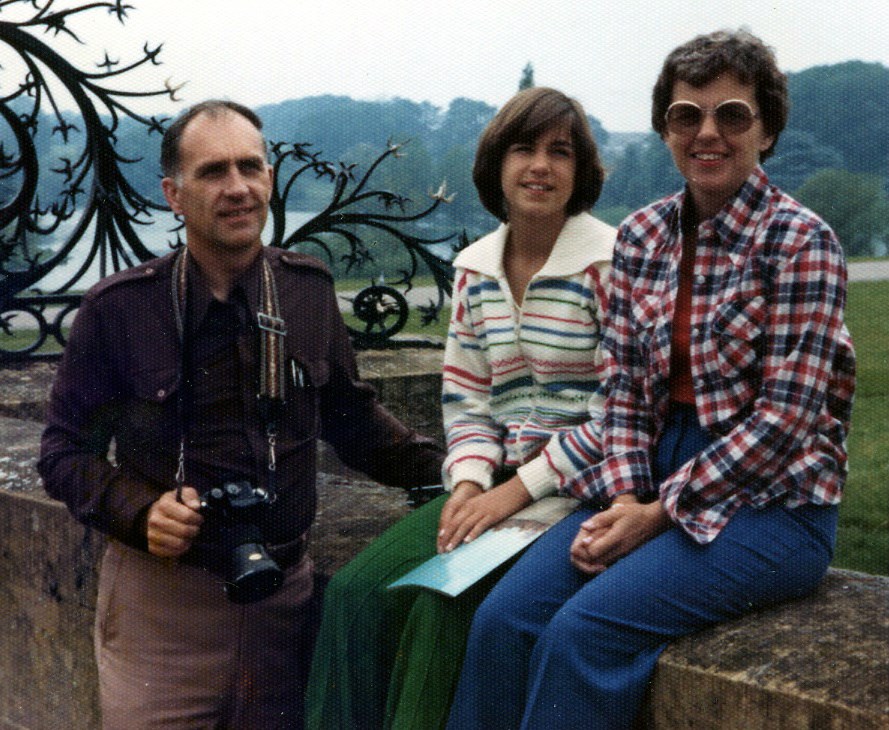
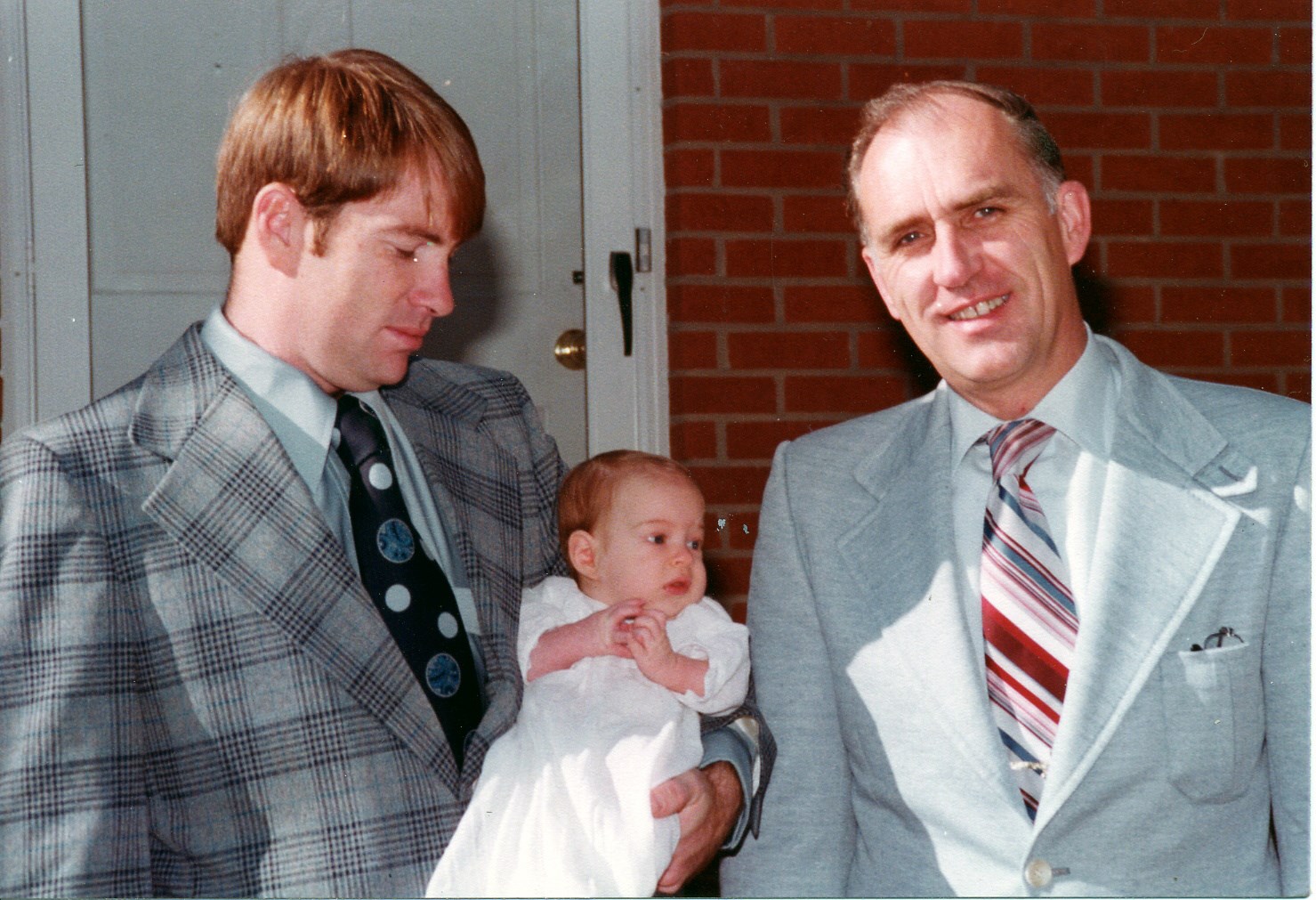
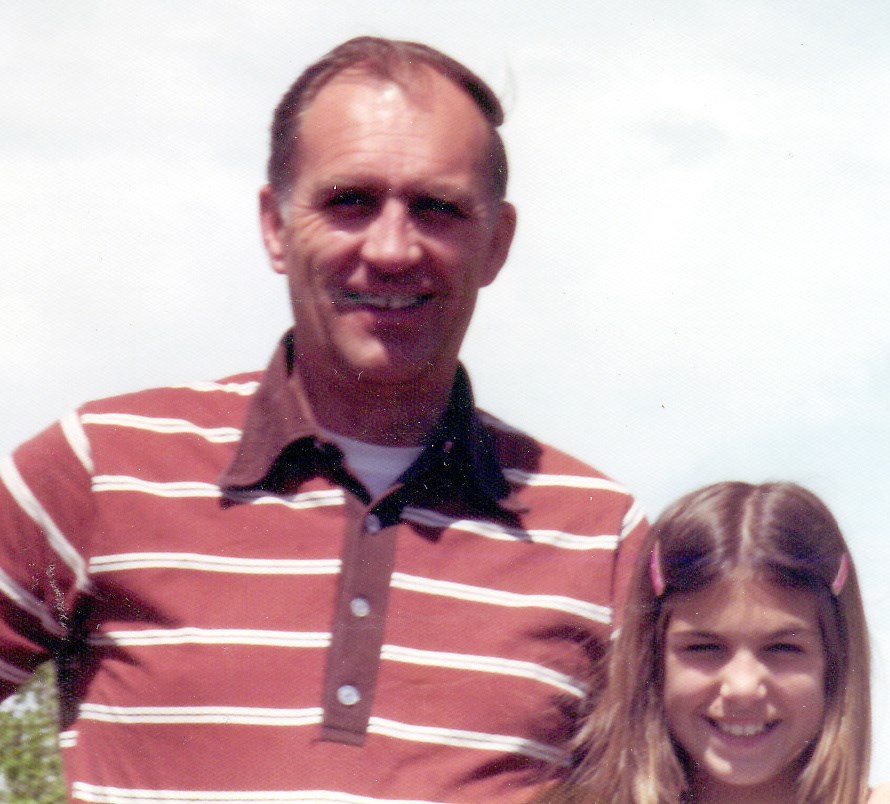
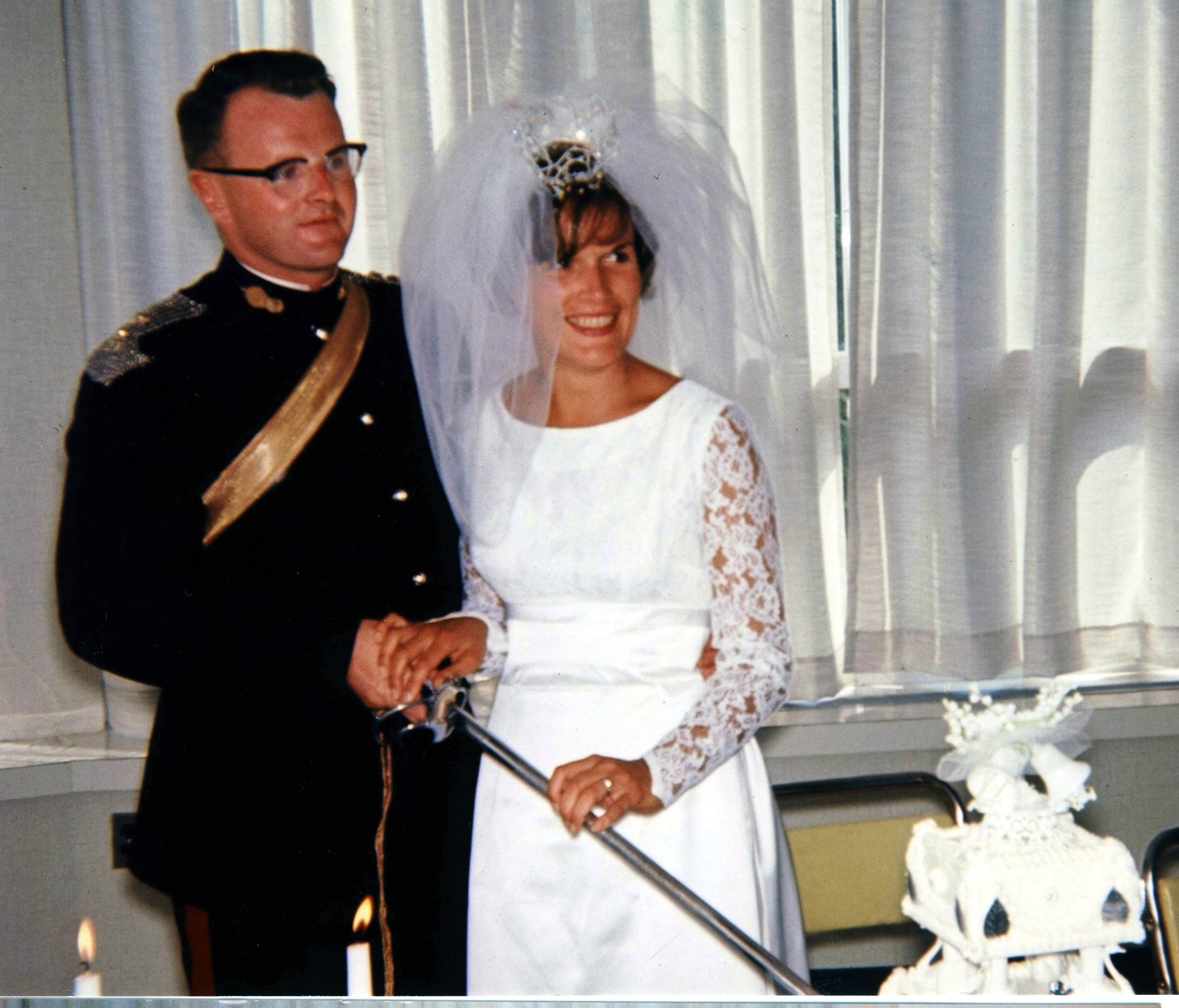
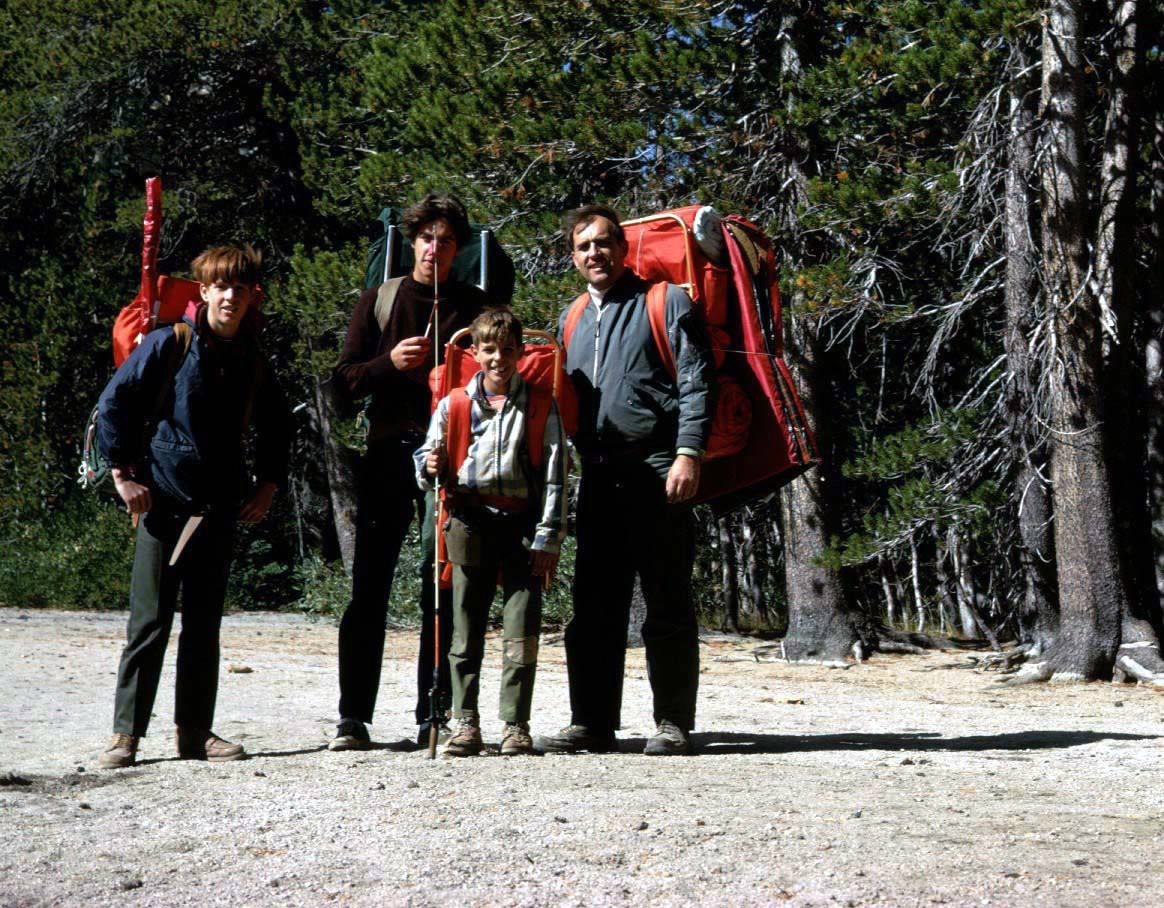
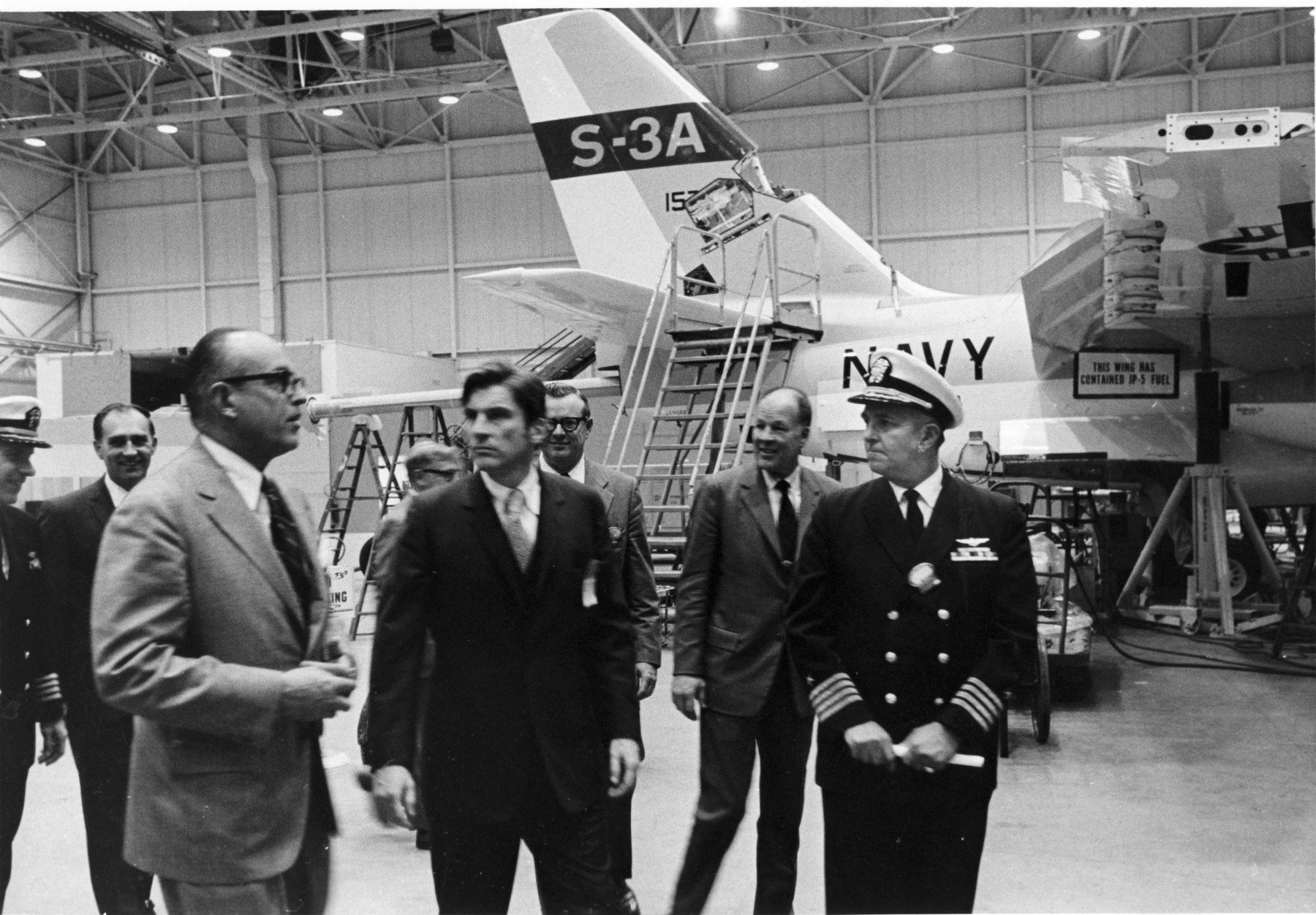
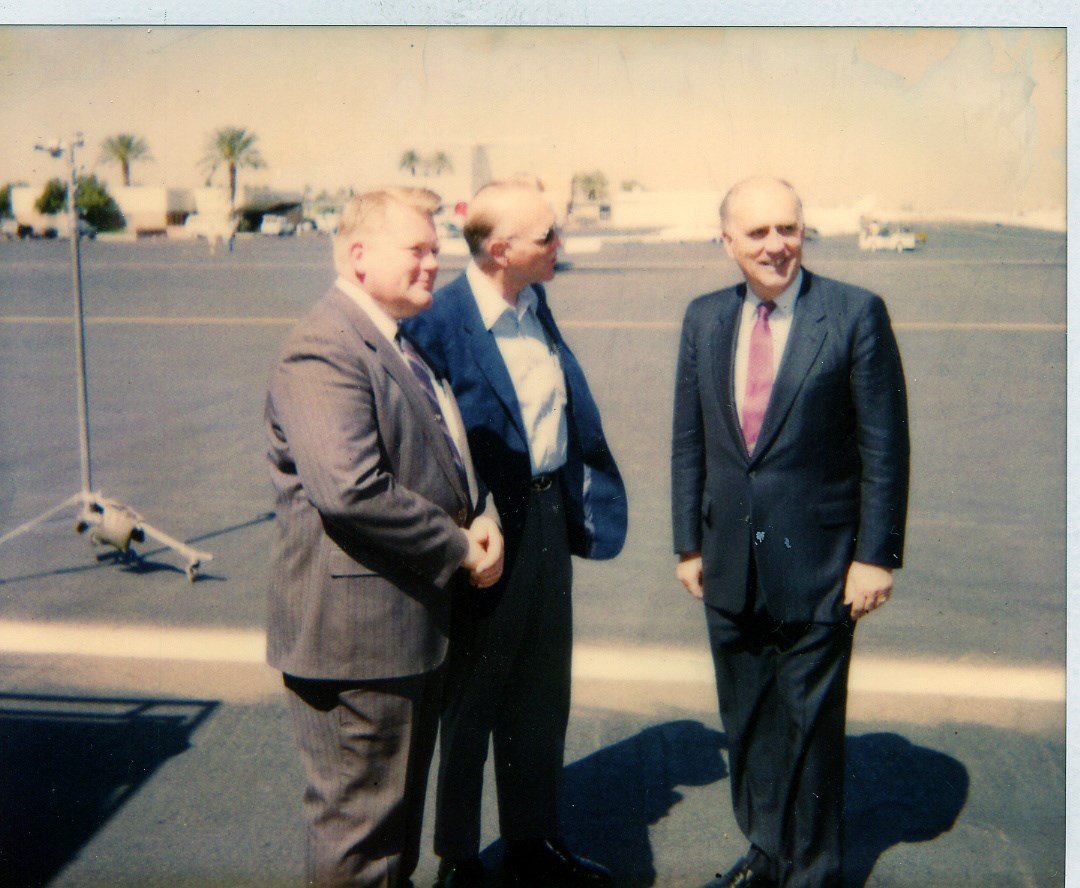
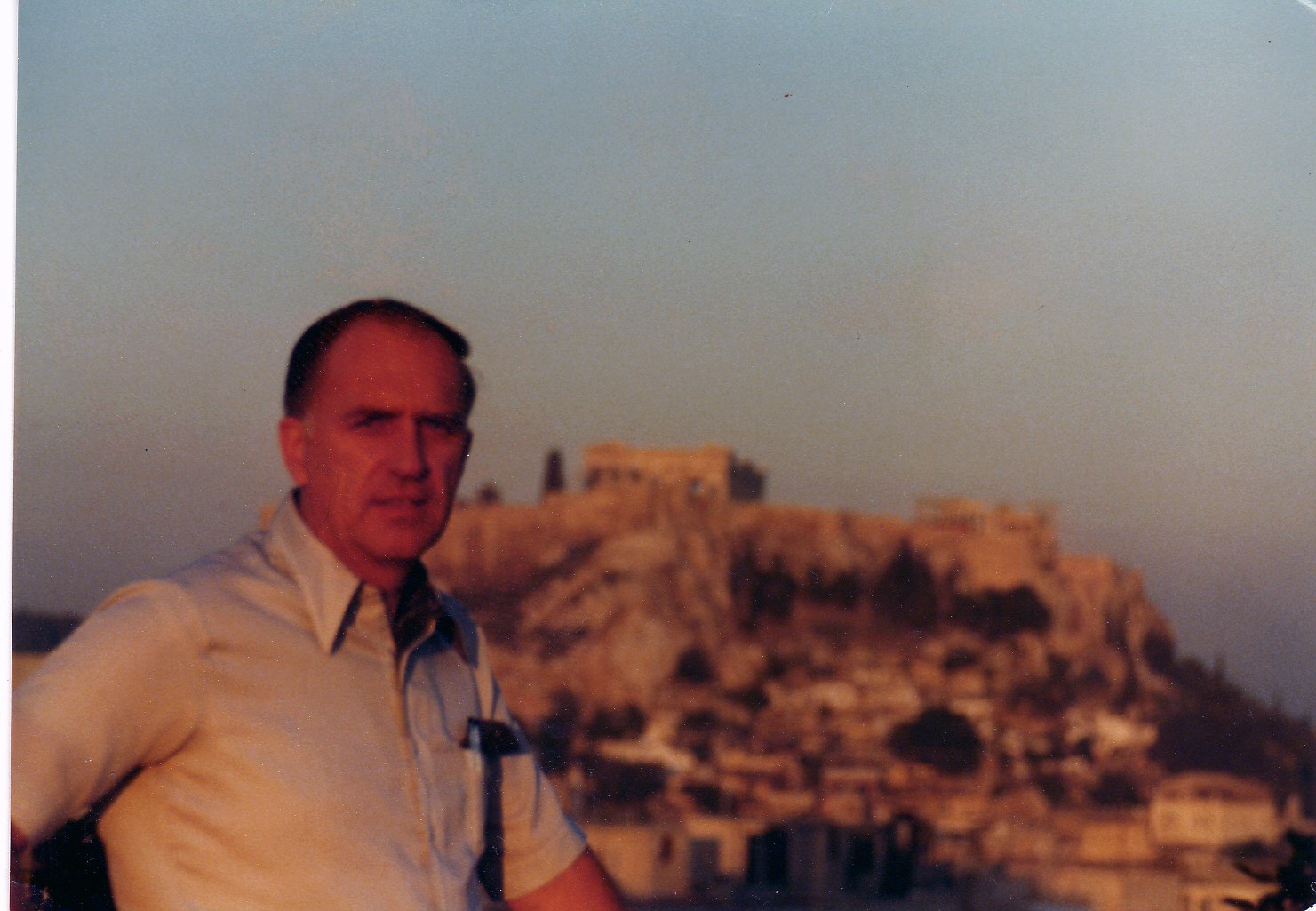
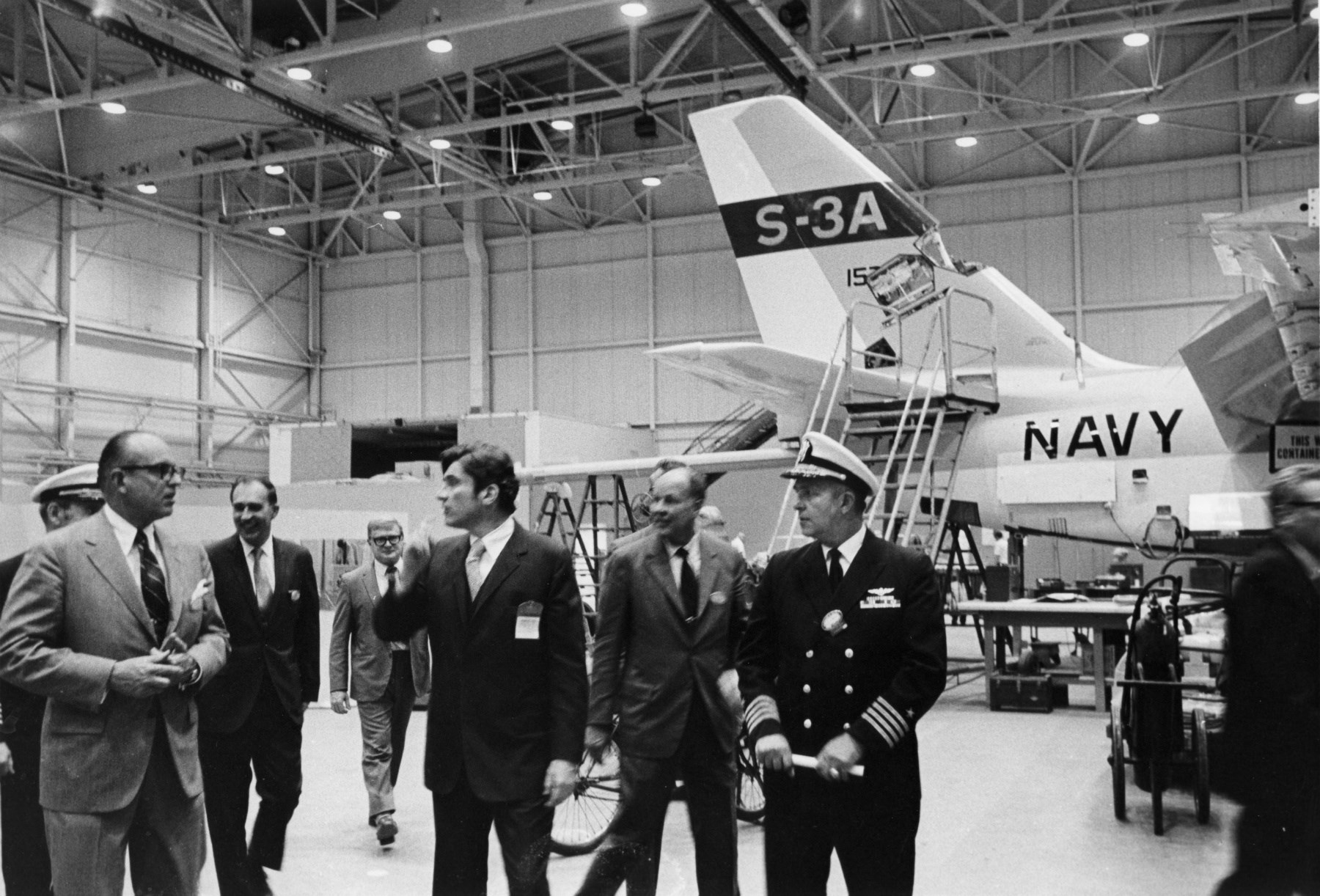
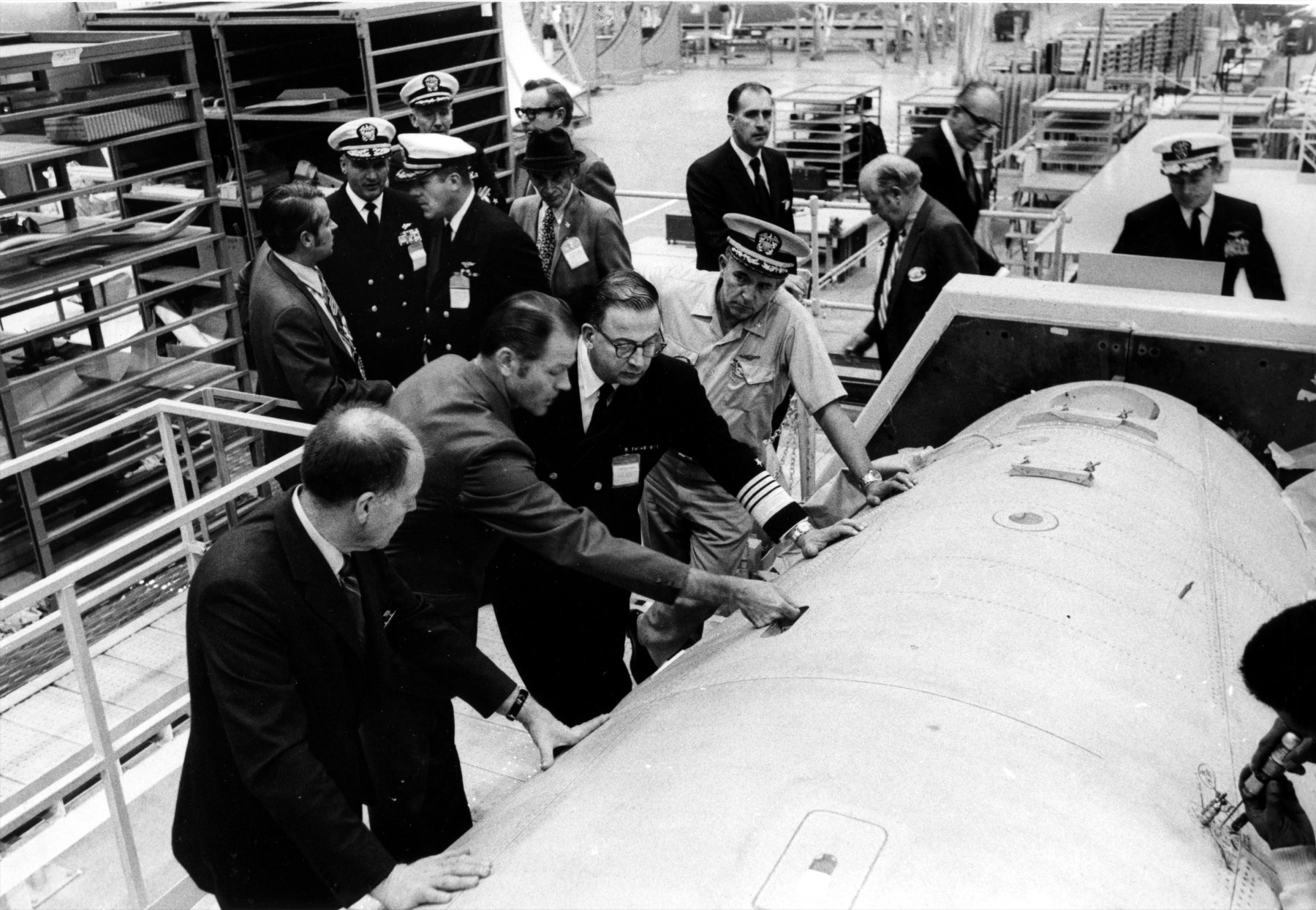
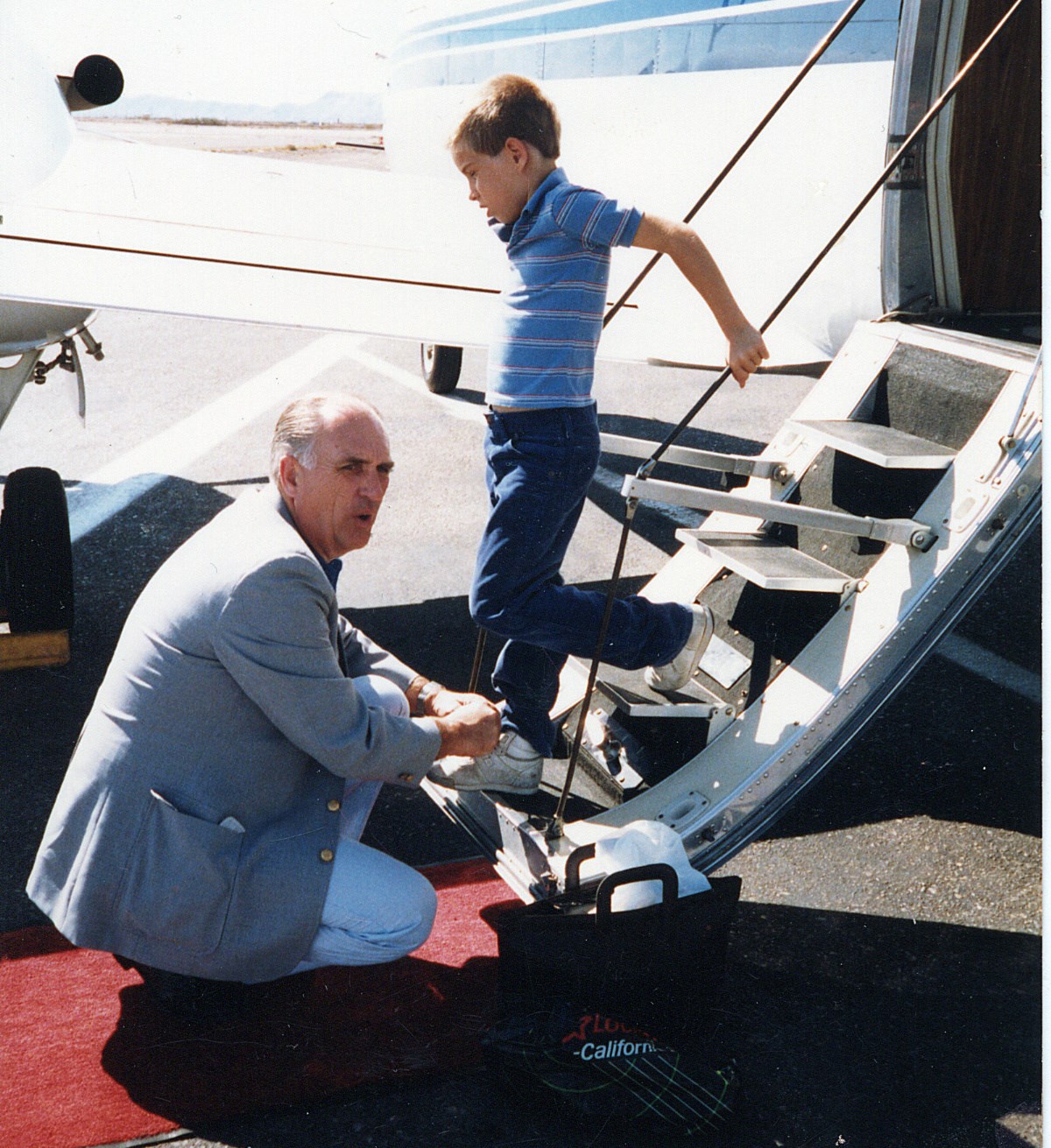
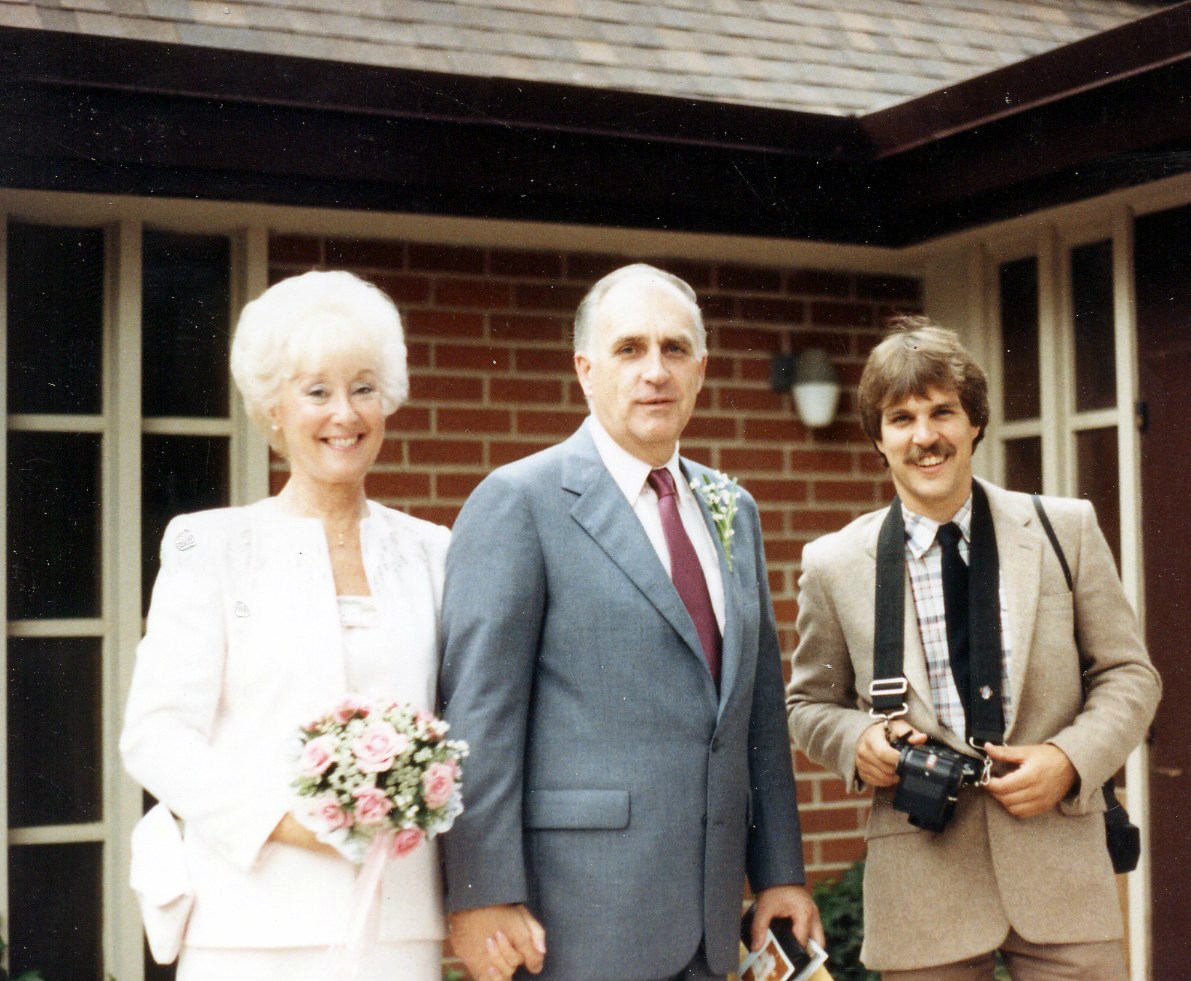
Tom Saliba
Posted July 1, 2014
REMARKS AT LLOYD GRAHAM MEMORIAL 5-23-14I am one of Lloyd’s golfing buddies at Lakeside Golf Club and also two senior groups that play once a month at courses around So. Cal. I feel honored that Lloyd’s family asked me to speak centered around this aspect of his life. If I can have your approval, I had best read my thoughts otherwise we could be here well into the night and you all would be asking “… what was he trying to say?” We all know golf is just a game, but it sure has a way of exposing one’s inner being. My belief for this is because it just cannot be mastered. Early on I discovered Lloyd just seemed to take the game on differently. Every time he hit a shot that did not go in the direction intended or as far as intended, sure he fretted, but immediately shrugged and was always ready to hit the next shot with conviction. I knew, just by his approach to this tough game, I wanted to get to know him better. Luck was on my side, because he seemed to accept this even though my approach to golf was not, shall we say, as genteel. I still vividly remember my first golfing trip with Lloyd to St. Andrews, New Brunswick. Lloyd was driving up and down the streets pointing out the homes that were, or are still, owned by someone from his extended family. It seemed like almost half the town. Then we came to the home Lloyd said, “that is where I was born…I mean literally where I was born”. I guess I have embellished the story because I tell all who will listen that Lloyd was born on the kitchen table in his family home, because, from the street, I could see the table through the corner windows. He would always immediately correct me and say he was in fact born in the house, but NOT on the kitchen table. My reply, “…how do you know that?... and besides it makes a better story, fortifying your strong constitution”. Back to golf. Lloyd always had the latest electronic equipment, usually given to him by one or more of his family. When we would go on our monthly golf outings we usually met at Lakeside. Lloyd would drive because he was our best driver, but also because his Lincoln Town Car had the biggest trunk. One of his gadgets was a Garmin, a navigation aid, which he already programmed before leaving his home with about 6 different routes for the trip that day. We would sit there in the parking lot while he would go through the progressions calculating the ETA, which included the latest traffic for each route. Finally would come the answer, “here’s the route, it’s 2 minutes faster. “Yes Lloyd, but we have spent 5 minutes sitting here figuring it out”! As with all discussions with Lloyd, at the end, both sides seemed to win. Maybe this is why he was so successful in negotiating large government contracts and one of the reasons why this proud Canadian born rose to become a top executive for one of America’s leading companies.Another golf story. Just this year Lloyd won the prestigious annual match play tournament of the Seniors Golf Assoc. of So. Cal. We believe he is the oldest winner in the group’s 85 year history. There are 175 active golfing members. The top 16 point getters from a year’s worth of monthly tournaments begin a playoff the following year, which means by then about 160 have been eliminated. Now comes the even tougher part, lose and you go home, win 4 straight matches and you are champion. Lloyd’s champion’s trophy has been on display in his home since presented to him……. just last month. Quite a feat, especially since he bested fellows up to 30 years his junior……. All of us golfers would be hard pressed to come up with a better way to make our exit……. But not Lloyd. He will readily tell you, and did many, many times, his crowning golf achievement was finally beating his kid sister after a lifetime of trying. Never mind she had had recent surgery and could barely swing the club! Lloyd, although golf was an important part of your life, you were much larger than the game. Along the way you found time to become a giant among men. We will all miss you, and are so honored to call you our friend. Oh, and one last thing, thanks for hooking me up with my screen saver that you photographed before cell phone cameras, and figured out, around 10 years ago, how to get it into my computer. Every day since then I see the wonderful golf scene you created. And the best part, I will always get to see it and think of you every day for the rest of my life. Tom Saliba, a friend of Lloyd Graham
Sherm Mullin
Posted July 1, 2014
REMARKS AT LLOYD GRAHAM MEMORIAL 5-23-14David fleshed out the outline Sherm provided. Forty-six years ago, in the spring of 1968, Lloyd resigned his RCAF commission, one year short of full retirement, and moved his young family to join us at Lockheed in California.He started as manager on P-3C Orion maritime patrol aircraft program. Its primary mission was antisubmarine warfare. The Russian submarine fleet was 300 strong and growing. The P-3C program objective was to complete development and flight testing. Three Hundred P-C's were manufactured, and a large number still in operation by the US Navy and other countries.Then he was Assistant Chief Engineer for the S-3A Viking aircraft carrier antisubmarine warfare aircraft, of which 187 were manufactured.Following that he was Chief Engineer for the CP-140 Aurora, the Canadian patrol aircraft that put the advanced avionics of the S-3A in the P-3C airframe, beating Boeing.In 1978 he was promoted to Vice President for Government Programs, and in 1984 he became Executive Vice President of the Lockheed California company until retirement in 1990. He was one of best known experts in the world in antisubmarine and maritime patrol aircraft, and was much more than a competent engineer and a very competent manager. He set high standards for himself and everyone he worked with, and gained the trust of lockheed employees and customers. He was a skilled communicator, and a man of great integrity. He trusted people and they trusted him. In summary, he was a gifted manager who contributed important accomplishments to Lockheed and to the defense of the United States.It was my privilege to be his close friend for 46 years.Sherman MullinsPresident, Lockheed Skunk Works, Retired
Dave Wightman
Posted August 4, 2014
David,I am so very sorry to hear of Lloyd's death. The last time I saw him was sometime before Tannis and I met you in Scottsdale. I had communicated with him a few times since then. Lloyd was one of the most outstanding people I met during my military career. First I knew him as a flying colleague in Maritime Air Command and then as the project manager for Lockheed on the Aurora LRPA program. I know he later became a vice president at Lockheed and I'm glad that they recognized what an outstanding job he did in creating the aircraft and avionics system that would win our competition. The Aurora is still flying for the RCAF after more than 30 years of outstanding service. He really made a huge contribution to Lockheed and to Canada in that project. I was very glad to re-establish contact with him after many years through his sister here in Victoria and then to meet you. You can be very proud of your Dad, he was a fine man. And by the way Lloyd's friend Doug Glover also passed away three days after I sent my message to Lloyd. I am sorry to say that I am now at an age where old friends and colleagues are leaving this life with alarming frequency.Best wishes to you and your family
Lloyd Graham birthday letter to his boss
Posted August 16, 2014
First let me wish you a happy 90th birthday. Congratulations on achieving this milestone of an impressive life span. I consider myself very fortunate to have known you for the last 44 years and to have shared in some of the remarkable achievements of your Lockheed career.We first met in the fall of 1969, a year and a half after I was brought to Lockheed from the Royal Canadian Air Force by Don Wilder and Fred Lashley to help get the P-3C through system integration and flight test. You had just led the team that won the S-3A contract and became the Vice President and General Manager of Government Programs. I had the good fortune to become the Assistant Chief Engineer for S-3 A System Test reporting to Burt O’Laughlin. What an opportunity I was given. The experience I had working with you and Burt and Fred Jacques and the other incredibly capable people on the S-3A team was like a four year post graduate course in aerospace engineering for me. Thank you for making it such a rewarding experience. I have many happy memories of those years. Your Christmas letters expressing appreciation of my and my family's contribution to the S-3A team effort stand out in my memory. I know that you did that for many people on the team, I marvel at the time that you spent and the example you set devoted to teambuilding, and what a team you created. In recent years I have kept in touch with my good friend General Dave Wightman (rtd) of the Royal Canadian Air Force. Dave told me that he considered Dick Heppe to be an outstanding example of a leader, an opinion that I totally share.We shared many program highlights like the roll out of the first S-3A , the S-3A first flight, The US Naval Preliminary Evaluations and the carrier suitability tests at sea off Norfolk, Virginia to name a few.. These and many others are etched indelibly in my mind.Following my S-3A tour, I was assigned to the Canadian Long Range Patrol Aircraft competition I thought I was “Brer rabbit” thrown into the Briar patch. I remember calling Don Wilder and suggesting to him that I might not be the best choice for the job. I thought the Canadians would be looking for someone with a lot more Lockheed experience, rather than one of their own who had left the RCAF just a few years before. Don assured me I was the person for the job and I was happy that he did. It was a chance for me to put all that I had learned from my service experience, my A -New experience with the USN, getting the P-3C through systems integration and flight test and the post graduate course you provided me on the S-3A program and apply it to helping win the LRPA program. I was also still on Dick Heppe’s team.What a thrill when word came down that Lockheed was selected over Boeing for the LRPA contract. I will never forget that on Harriet’s birthday May 19th 1976, the Canadians were in Burbank for their first contractual review and word came for them to return home because Prime Minister Trudeau had cancelled the LRPA program. You called me and told me to pack, that you and I were going to Ottawa that day. I believe that we flew to Ottawa on the same plane taking the Canadian Forces team back home. The next few days you and I, Buzz Nixon and General Dextraze renegotiated the LRPA contract. I was surprised that you reacted so quickly and I did not ask or was never told if that was on your own initiative or whether someone in Canada asked for you to come to Ottawa immediately. I was also pleasantly surprised, but very happy, to be the one you chose to accompany you. It was another day of celebration when word came from Ottawa in early July that our efforts had paid off and that the contract was back on. We shared many new program experiences such as working with the team of military and contractual personnel that Canada located in Burbank during the program, and highlights like the roll out of the first CP-140 and the delivery ceremony of the first CP 140 to the Canadian Forces Base in Greenwood Nova Scotia.Our Lockheed experience ended when you were appointed President of the Lockheed Aerospace Systems Company and I became your Executive Vice President. Almost immediately you were asked to spend full-time with the Skunk Works on the competition to win what became the F -22 program, another success story in Dick Heppe's Lockheed remarkable career, and what an appropriate accomplishment to mark your retirement. I am happy that we continue to keep in touch in retirement and hope to continue to do so in the future. The very best to you Dick as you celebrate your 90th birthday with your family.
LLoyd Graham Aurora delivery
Posted August 16, 2014
When Lockheed delivered the Aurora Patrol Plane to Canada in May 1980, several other countries sent their planes and the pilots conspired to fly in a not totally approved formation. This letter describes what happened that day.Dick,I thought you would get a chuckle from this reply from General Al McLellan RCAF (Retd.) who was in Maritime Command at the time of delivery of the Aurora. I thought the Breguet was flown in by the Dutch but wanted to make sure so I e-mailed him and asked if he could help, this was his reply. I am afraid I do not know who the USN Vice Admiral was that he mentions in the anecdote. LloydHi Lloyd: First, my apologies for the tardy reply to your question. I could not remember who brought the Atlantique to the ceremony, nor could I find any reference to it in my records. The mystery was solved this morning by Bart Konings, who was the Base Ops Officer at the time. He had the impression it was Dutch, but had some uncertainty, so he too got into his records and found that it was definitely Dutch. The source of his information was (ahem!) a Lockheed publication called 'The ASW Log', in which the issue subsequent to the ceremony had photos and a write-up about it, and identified the Atlantique as Dutch. You may remember, Lloyd, that the Brits agreed to the Nimrod doing a fly-by only if there were no formation, just line astern with a big interval. Unbeknownst to any of us, the RAF S/L flying the Nimrod cooked up and sold to the other ACs the idea of a formation, to which Bart turned a blind eye after reviewing the Brit's Op Order and eavesdropping on the preflight briefing, to make sure it was meticulously and safely done. I was chatting with A/V/M Bearisto when the formation flew over, and he was furious. He was giving me a severe 'bollocking' when the USN Vice Admiral in charge of S3As in the Atlantic, who I suspect had overheard it all, strolled up to us, clapped the A/V/M on the shoulder, and said something like "By God, Air Marshall, that display of initiative and professionalism we just saw would make any true airman proud, and I bet you're just as pumped up about it as I am!" Bearisto didn't know whether to pass, punt, or call for measure, and it shut him up at least for the moment, although I heard the S/L caught 'a big packet' when he got home to the UK. I later thanked the Admiral for coming to my rescue, to which he avowed, with a wicked glint in his eye, that he didn't know what I was talking about. I hope you are well, and that this information isn't too late to help you in your project. Cheers and best wishes, Al.